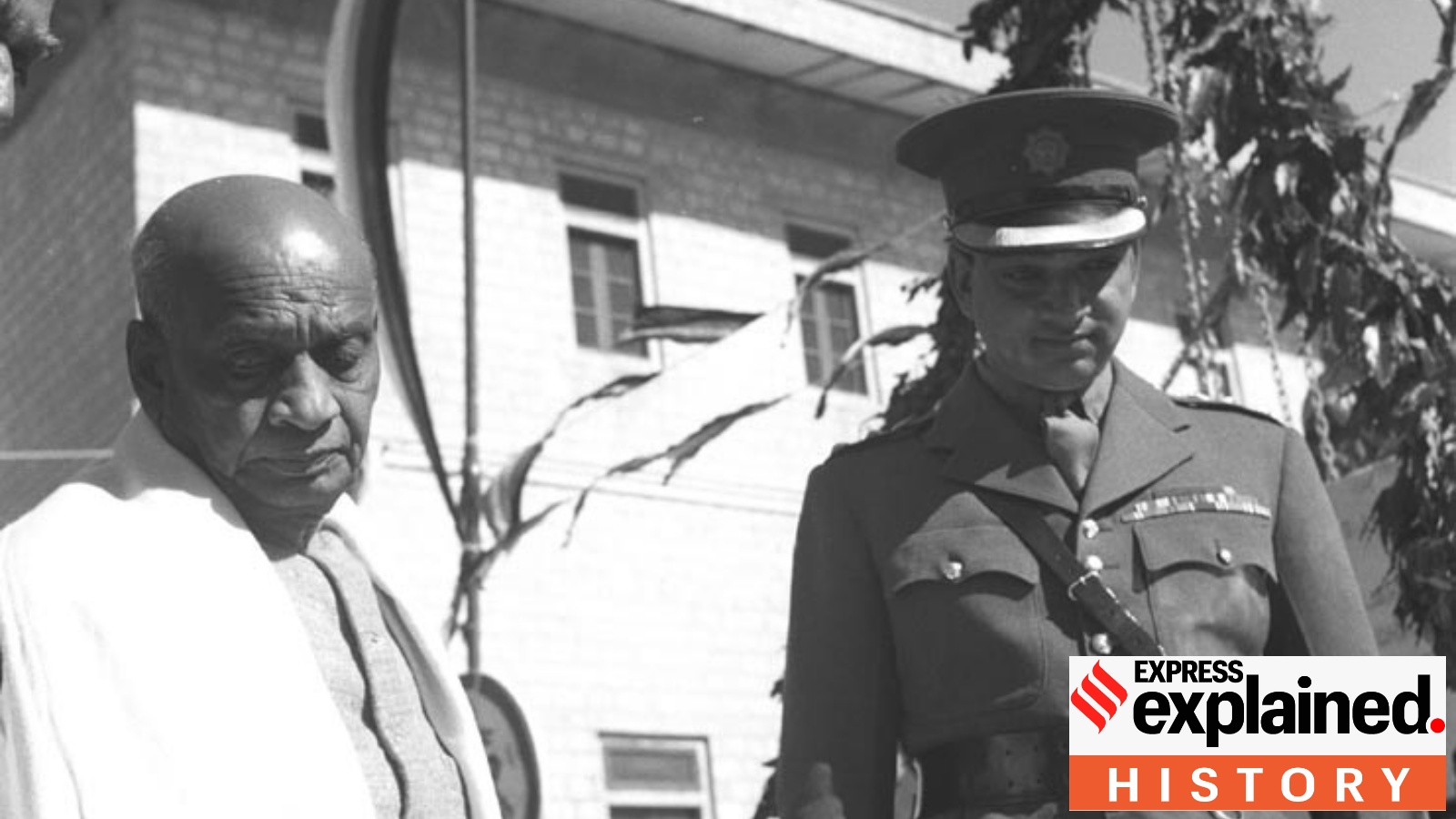
After independence, uniting over 500 princely states became India’s toughest challenge. Apart from Kashmir and Hyderabad, four states—Travancore, Jodhpur, Bhopal and Junagadh—initially rejected accession to the Indian Union.
Key Takeaways
- Travancore, Jodhpur, Bhopal and Junagadh initially refused to join India.
- Sardar Patel used political pressure and economic incentives to persuade them.
- These events shaped the modern borders of the Indian Union.
The midnight of August 15, 1947, marked India’s birth, but true freedom required stitching together hundreds of princely fragments into a single nation. The British left behind more than 500 semi‑autonomous chiefdoms, posing a massive administrative puzzle for the nascent government.
Patel’s role with the princely states
When the British withdrew, Sardar Vallabhbhai Patel created a dedicated States Department, appointing V.P. Menon as secretary. Their mandate, under Lord Mountbatten’s guidance, was to coax the princes into acceding to the Indian Union.
While states like Bikaner and Baroda joined promptly, four princely entities—Travancore, Jodhpur, Bhopal and Junagadh—stood firm in their refusal.
Why This Matters
BozokMedia analysis shows that the integration of these reluctant princely states set important precedents for federal negotiations, influencing India’s later approach to regional autonomy and center‑state relations.
"Their decisions tested the very fabric of India’s unity," historian Dr. Ramachandra Guha notes.
Frequently Asked Questions
Question 1: Why did Jodhpur consider joining Pakistan?
Answer: Its border with the new nation and promises of port facilities from Jinnah tempted the Maharaja, but Patel’s swift diplomatic outreach won him back.
Question 2: What delayed Junagadh’s accession?
Answer: The Nawab’s inclination toward Pakistan, coupled with demographic tensions, postponed the decision until a plebiscite forced integration with India.