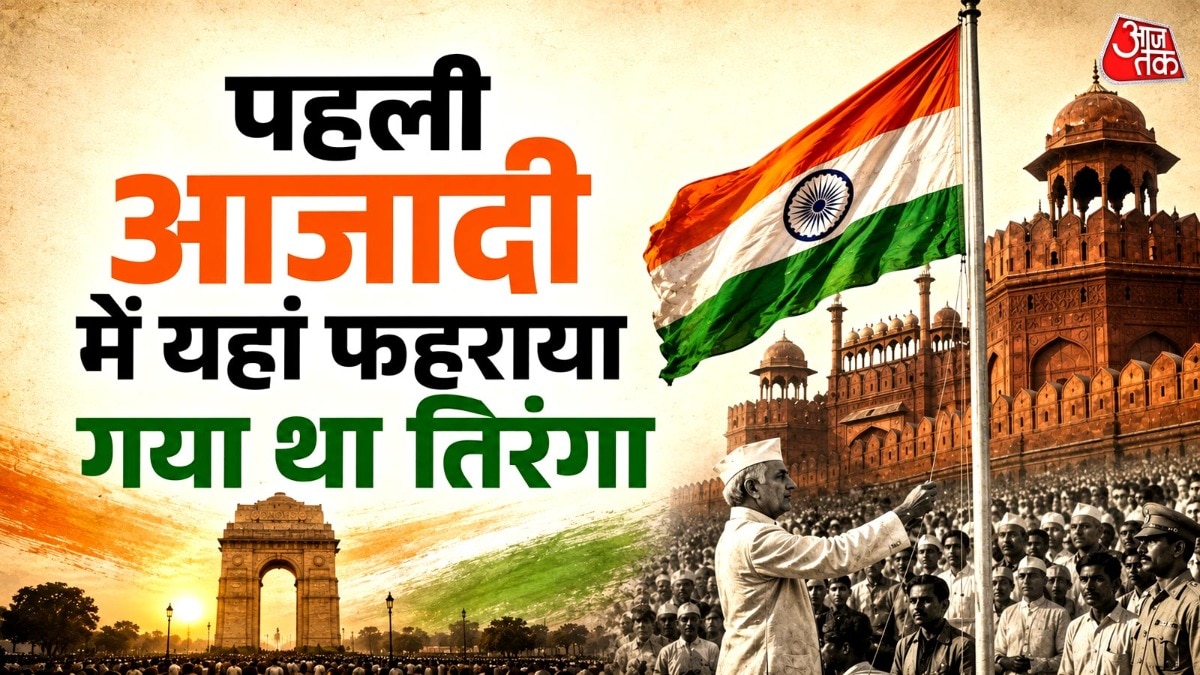
While the national flag is hoisted at the Red Fort every Independence Day, the first public ceremony in 1947 took place elsewhere. This article uncovers the historic shift that made the Red Fort the centerpiece of the celebration.
Key Takeaways
- The first public flag hoisting on August 15, 1947 occurred at Princess Park near India Gate.
- Prime Minister Nehru raised the flag on the Red Fort’s rampart on August 16, 1947.
- Over time, the Red Fort became the emblem of national pride.
Origins of Independence Day Celebrations
When India gained freedom on August 15, 1947, the tricolour was first displayed publicly at Princess Park, India Gate, with Pandit Jawaharlal Nehru leading the ceremony.
Exactly one day later, on August 16, Nehru hoisted the flag from the Red Fort’s rampart, marking a symbolic reclamation of a structure that had long represented colonial authority.
Why the Red Fort?
The Red Fort is not merely an architectural relic; it has witnessed the Mughal era, British rule, and the 1857 rebellion, linking it intrinsically to India’s struggle for sovereignty.
Why This Matters
BozokMedia analysis shows that the flag‑hoisting tradition at the Red Fort is more than a ceremony—it reflects India’s political transformation and the consolidation of national identity.
"The Red Fort flag ceremony breathes life into India’s independence narrative each year," notes historian Dr. Ravi Singh.
Frequently Asked Questions
Q1: Was the flag hoisted at the Red Fort on August 15, 1947?
A: No, the first public hoisting took place at Princess Park; the Red Fort ceremony began on August 16.
Q2: Why has the Red Fort become the symbol of Independence Day?
A: Its deep historical ties to multiple eras of Indian governance turned it into a potent emblem of national pride.