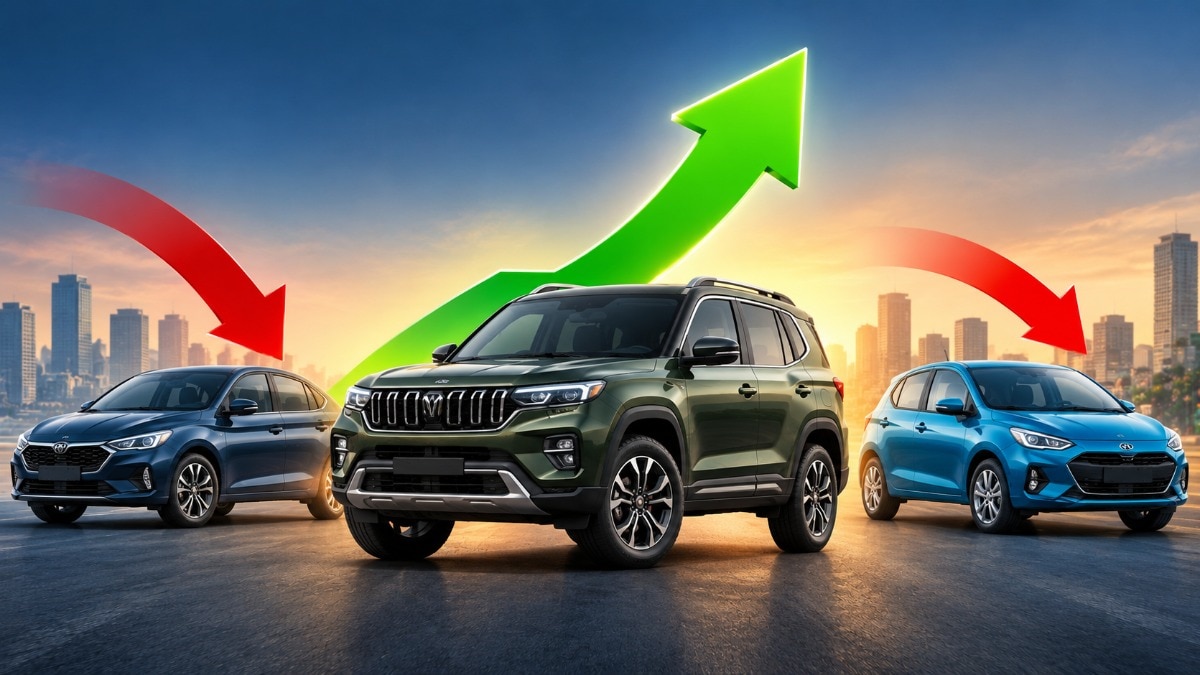
Diesel remains alive in India but now primarily powers large SUVs. As petrol‑ethanol’s share falls, the SUV boom breathes new life into diesel demand.
Key Takeaways
- Diesel is now mainly popular in SUVs
- July 2026 saw a modest rise in diesel’s market share
- E20 fuel transition is influencing buyer preferences
Diesel hasn’t vanished; it has simply moved up the vehicle hierarchy. Once a staple in hatchbacks and sedans, it is now chiefly found in larger SUVs such as the Thar, Scorpio and Fortuner.
Historical Background
For two decades, manufacturers like Maruti Suzuki and Hyundai offered diesel engines across their compact line‑ups. Models such as Swift, Dzire and Celerio showcased diesel’s fuel‑efficiency and torque benefits. Rising engine complexity and cost, however, gradually phased these options out.
Diesel’s Resurgence in SUVs
The SUV surge has given diesel a second wind, albeit in a narrower role. Bigger, heavier vehicles demand strong low‑end torque, highway efficiency and good fuel economy under load—traits where diesel excels. Moreover, buyers of premium SUVs are more willing to absorb higher diesel‑engine costs for the performance gains.
Why This Matters
BozokMedia analysis shows that diesel’s migration to the SUV segment reshapes fuel‑policy decisions and influences future automotive investments in India.
“Diesel is no longer an economy‑only fuel; it has become a utility fuel for larger, long‑haul vehicles,” says automotive analyst Ritu Sharma.
Frequently Asked Questions
- Is diesel still compliant with environmental standards in SUVs? Yes, modern diesel engines incorporate advanced exhaust treatment technologies that keep emissions well within regulatory limits.
- How will the rollout of E20 fuel affect diesel demand? While E20 reduces petrol’s share, diesel remains a viable alternative, especially for vehicle segments where its torque and efficiency are prized.

