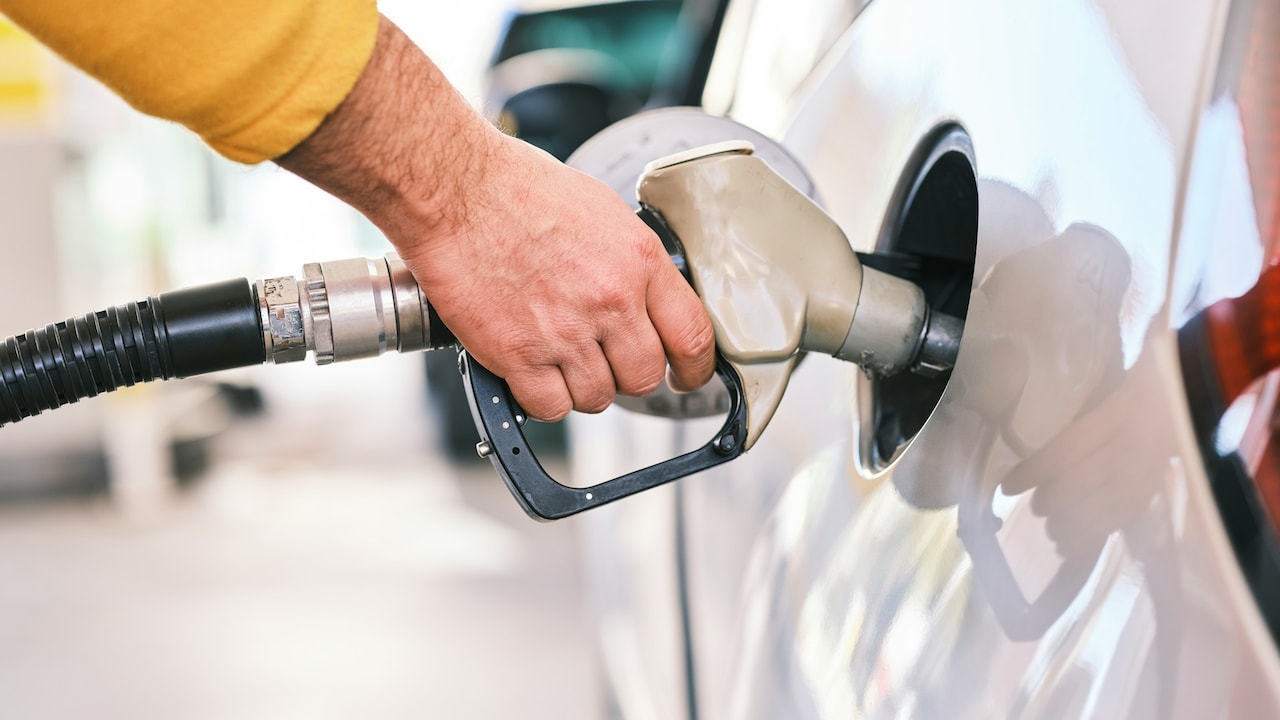
The government clarified that 20% ethanol‑blended petrol (E20) is not the sole cause of reduced mileage. Other factors such as driving habits, vehicle maintenance, and technical issues also play significant roles.
Key Takeaways
- E20 is not the only cause
- Driving style and maintenance matter
- Government clarification issued
Government Clarification
The Indian government recently stated that 20% ethanol‑blended petrol (E20) cannot be singled out as the only factor behind lower mileage. This clarification arrives amid growing concerns from motorists questioning the fuel’s impact on efficiency and vehicle performance.
Ethanol inherently possesses a lower energy density, which can reduce the calorific value of the fuel blend. However, experts argue that actual mileage decline is often linked more to driving patterns, tire pressure, improper servicing, and engine age than to ethanol alone.
Historical Background
India introduced 10% ethanol‑blended petrol (E10) as a national standard in 2018, marking a strategic move to convert agricultural produce into fuel. In 2022, the target was raised to 20% (E20) to cut reliance on imported petrol and boost domestic ethanol production.
Early field trials, however, reported modest mileage drops in certain regions, fueling public debate. Since then, the government has collaborated with testing agencies to gather comprehensive data, confirming that E20 is not the sole culprit.
Why This Matters
BozokMedia analysis shows that misinformation can cause motorists to avoid fuel switches, leading to unnecessary expenses and slower adoption of greener policies. Accurate, fact‑based communication ensures policy acceptance and long‑term fuel security.
"The impact of E20 is distributed across multiple variables; blaming the blend alone is oversimplified," says Dr. Ajay Singh, automotive engineering specialist.
Frequently Asked Questions
Q1: Can E20 damage my vehicle?
A: Most newer cars are designed to be compatible with E20, but owners of older models should consult the manufacturer’s guidelines.
Q2: How can I improve my mileage?
A: Regular servicing, maintaining correct tire pressure, and adopting smooth driving habits can help boost fuel efficiency.

