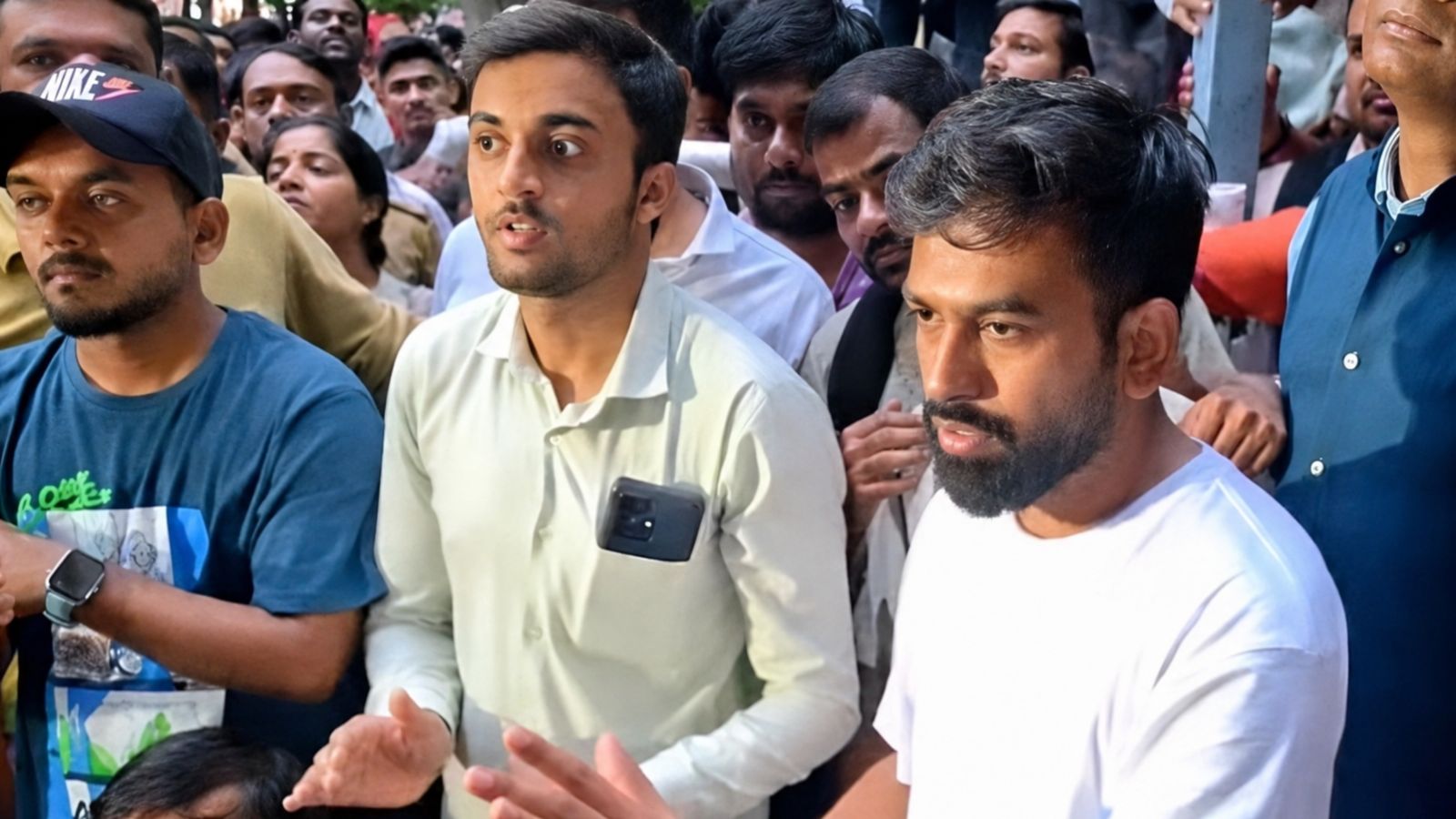
Chief Justice D.P. Suryakant stated that he has never accepted an invitation from NALSAR University of Law and that the idea of going there never even crosses his mind. The remark sparks fresh debate over judicial independence and academic collaborations.
Key Takeaways
- CJI Suryakant has never accepted NALSAR’s invitation
- He says the question of visiting never arises
- The comment raises new questions on judicial‑academic relations
CJI Suryakant’s Statement
New Delhi – Chief Justice of India D.P. Suryakant recently declared on a public forum that he has never accepted an official invitation from NALSAR, Hyderabad, adding, "The question of going there never even arises." The remark underscores his firm stance on judicial decorum.
Context and Reactions
Legal analysts and academic circles responded swiftly. Some praised the stance as a defense of judicial independence, while others warned it could hinder collaborative efforts between the Supreme Court and premier law schools.
Historical Background
The relationship between India’s judiciary and higher education institutions has been nuanced since independence. Prominent judges have historically engaged with universities, shaping a balance between academic freedom and judicial ethics.
Why This Matters
BozokMedia analysis shows that such statements can influence public perception of the judiciary’s openness to academic discourse, potentially affecting future collaborations between courts and law schools.
"Open dialogue between courts and academia strengthens democratic institutions," notes senior law scholar Prof. Anjali Singh.
Frequently Asked Questions
Q1: Has CJI Suryakant ever attended any NALSAR events?
A: No, he has publicly affirmed that he has never accepted an invitation from the university.
Q2: What impact could this statement have on judicial processes?
A: While no immediate procedural impact is evident, it may shape future interactions between the judiciary and academic institutions.