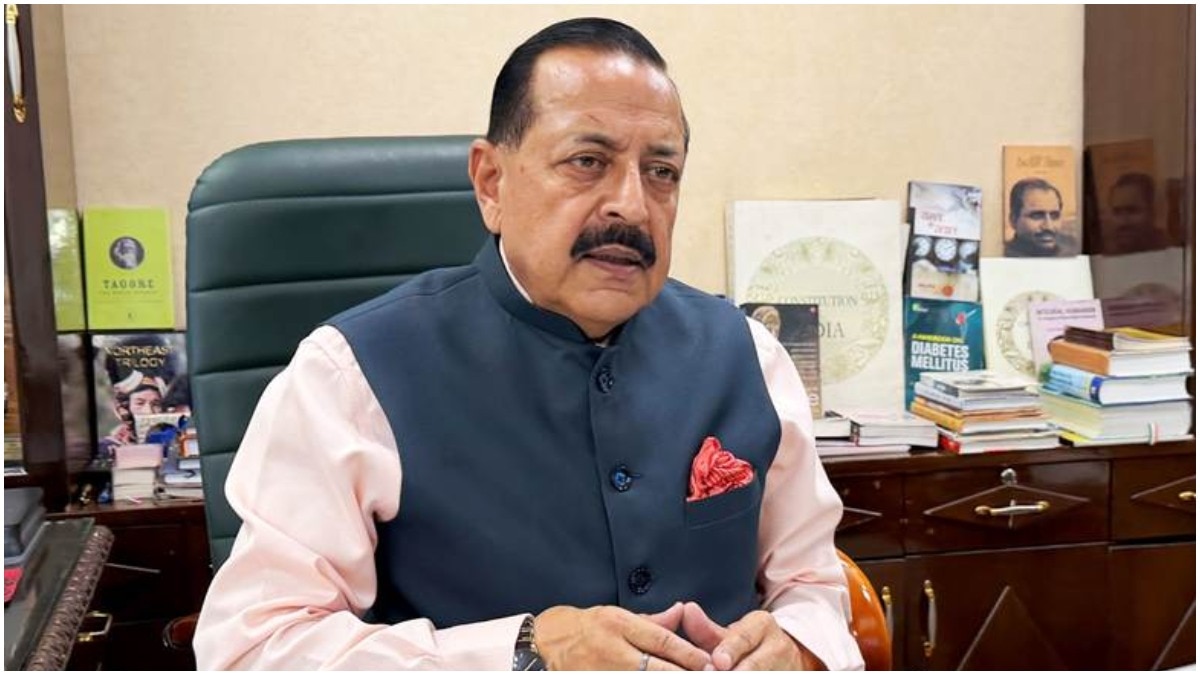
Diabetes is no longer confined to cities; its burden is rising sharply in rural India. Health Minister Dr. Jitendra Singh urges that prevention become a national priority.
Key Takeaways
- Diabetes is accelerating in India's rural regions.
- Dr. Jitendra Singh demands national focus on prevention.
- Digital portal and VISHWAS video library boost village awareness.
Rising Disease Burden in Rural India
Union Minister of State for Health Dr. Jitendra Singh emphasized on Sunday, at the launch of RSSDI's Rural Outreach Digital Portal and the VISHWAS video library, that diabetes prevention must become a national priority. He highlighted that the disease is now proliferating beyond urban centers into villages.
Historical Background
Over the past two decades, India's diabetes prevalence has surged, originally linked to urban lifestyles, high‑calorie diets, and sedentary habits. Recent shifts in rural dietary patterns and physical activity have mirrored these risk factors, extending the epidemic to the countryside.
Importance of Early Detection
Diabetes often remains asymptomatic in early stages, leading many to receive a diagnosis only after complications arise. Regular screening and early identification can significantly reduce the risk of heart, kidney, eye, and nerve damage.
Why This Matters
BozokMedia analysis shows that unchecked diabetes in rural India could strain the already limited healthcare infrastructure, leading to higher morbidity and economic loss. Effective community‑based interventions backed by technology are essential to curb this silent epidemic.
"Integrating digital health records with community health workers is the key to controlling diabetes in remote areas," says Dr. Anjali Sharma, public‑health expert.
Technology as a Force Multiplier
The newly launched digital portal will enable health workers to maintain systematic patient records, track screening outcomes, and streamline follow‑up visits. Aggregated data will provide policymakers with evidence‑based insights to craft targeted public‑health strategies.
Frequently Asked Questions
Q1: How are diabetes screenings conducted in remote villages?
A: Mobile health units equipped with glucometers visit villages, and trained community volunteers perform blood‑sugar tests.
Q2: What happens after a high‑blood‑sugar result is detected?
A: Patients receive medical counseling, lifestyle‑change guidance, and, if necessary, medication, followed by scheduled follow‑up appointments.