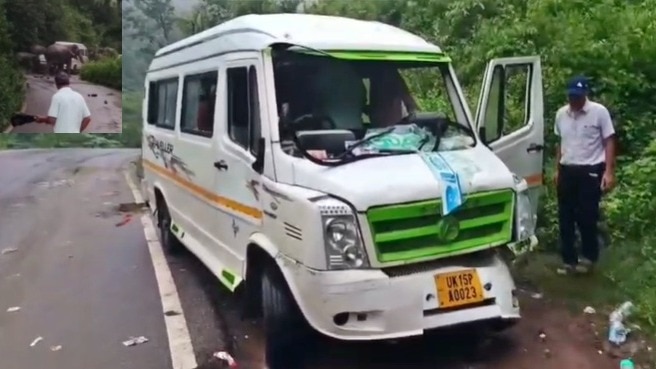
A herd of elephants unexpectedly charged vehicles on NH-534 near Kotdwar, causing a massive traffic jam that lasted over two and a half hours. Several teachers managed to rescue their students, while authorities rushed to control the situation.
Key Takeaways
- Elephants launched a sudden attack on NH-534 near Kotdwar
- Traffic remained stalled for approximately 2.5 hours
- Local teachers successfully evacuated students from danger
Incident Overview
On the afternoon of June 15, a herd of around 30 elephants surged onto the busy stretch of NH-534 near Kotdwar, Uttarakhand. The animals broke through traffic, ramming into more than 20 vehicles and forcing drivers to abandon their cars. Some motorists managed to switch off engines and avoid collisions, while others were forced to flee the scene on foot.
Amid the chaos, teachers from a nearby school acted swiftly, pulling their students to safety and coordinating an orderly evacuation. Their quick response prevented any fatalities, though several drivers sustained minor injuries.
Historical Background
In the past five years, Uttarakhand has witnessed a rise in human‑wildlife conflicts, especially involving elephants. Rapid road expansion and encroachment on traditional migration corridors have heightened the risk of such encounters, leading to economic losses and heightened community tension.
Why This Matters
BozokMedia analysis shows that incidents like this underscore the urgent need for integrated wildlife corridors and real‑time monitoring on national highways. Without proactive measures, future incidents could result in more severe accidents and greater economic impact.
"Securing elephant migration routes is essential for both national security and environmental stewardship," says wildlife expert Dr. Ajay Singh.
Frequently Asked Questions
Q1: Were there any serious injuries reported?
A: No fatalities were recorded, though a handful of drivers reported minor injuries.
Q2: What steps are being taken to prevent similar incidents?
A: State authorities have proposed installing additional wildlife detection sensors and alarm systems along the highway.