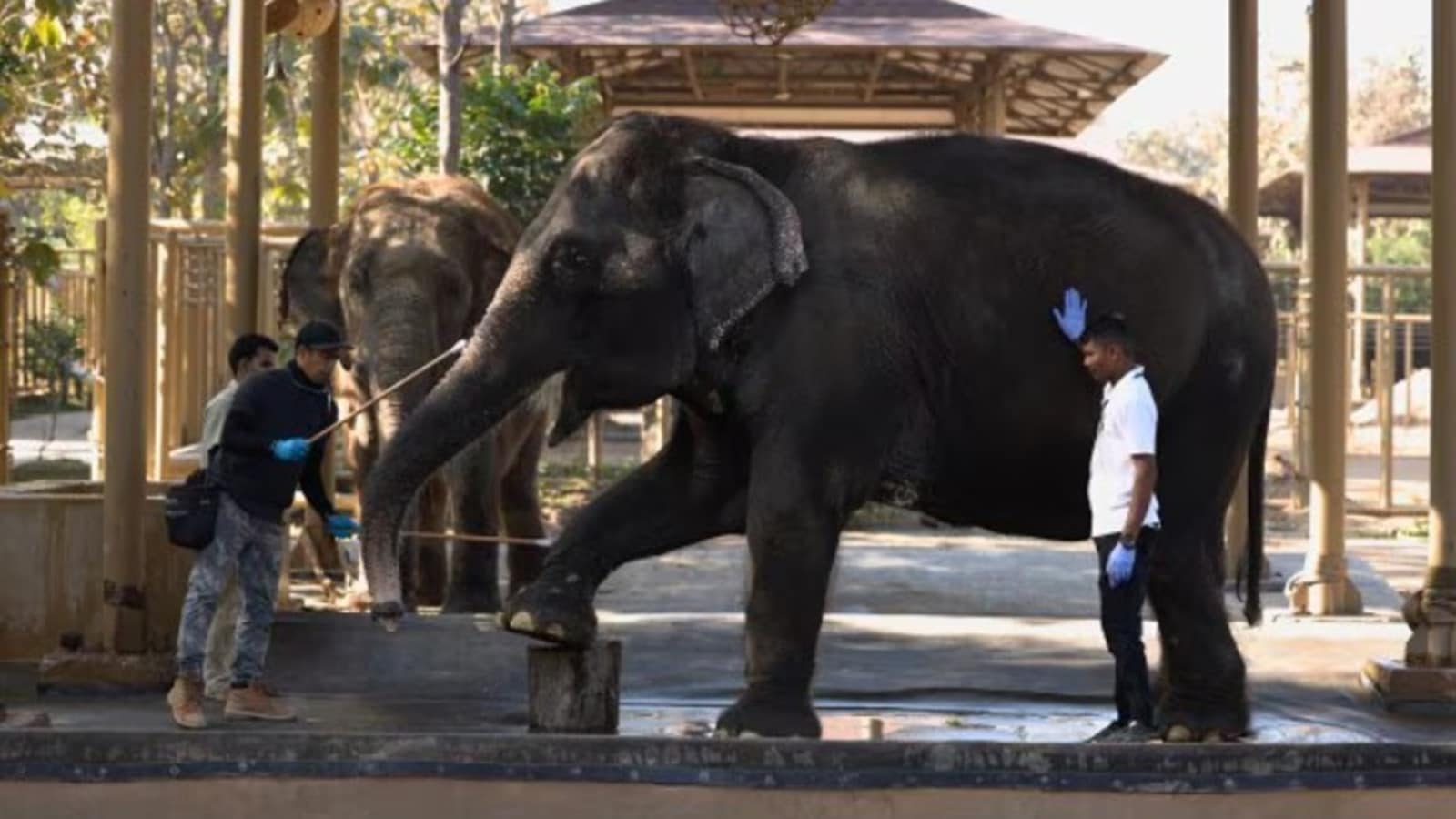
Gujarat’s wildlife rescue centre Vantara has filed a comprehensive set of voluntary commitments with India’s CITES Management Authority. The pledge includes withdrawing all live‑animal import applications, prioritising in‑situ conservation in India, and creating an international fund for local wildlife protection.
- Vantara will withdraw all pending live‑animal import applications.
- In‑situ conservation in India becomes a top priority.
- An international dedicated fund for wildlife conservation is announced.
New Voluntary Commitments by Vantara
Located in Jamnagar, Gujarat, the wildlife conservation, rescue and rehabilitation centre Vantara has submitted a detailed package of voluntary commitments to the Indian CITES Management Authority. The move aims to boost governance, transparency and strict compliance with international wildlife trade regulations.
Compliance with CITES Regulations
The commitments explicitly state that Vantara will fully adhere to the Convention on International Trade in Endangered Species of Wild Fauna and Flora (CITES). These documents have also been filed with the Supreme Court, ensuring judicial oversight.
Shift Towards In‑Situ Conservation
Vantara announced a strategic pivot to prioritize in‑situ conservation, protecting wildlife within their natural habitats. India has been earmarked as the focal region for this shift, promising heightened protection for native biodiversity.
Historical Background
India’s implementation of CITES over the past two decades has faced criticism, especially concerning the import of endangered species by private zoos and collectors. Vantara’s initiative directly addresses these longstanding challenges.
Additional Conservation Measures
The centre also pledged to strengthen rescue facilities, upgrade veterinary hospitals and expand its international collaborations. A dedicated fund will be created to finance on‑ground conservation projects across the country.
Transparency and Reporting
Vantara will publish six‑monthly progress reports to the CITES Management Authority, invite agency inspections and deepen engagement with the broader conservation community.
"Vantara’s commitment marks a watershed moment for wildlife protection in India," says environmental expert Dr. Anita Sharma.
Why This Matters
BozokMedia analysis shows that Vantara’s actions could significantly curb illegal wildlife trade not only in India but also set a precedent for global best practices, accelerating progress toward biodiversity goals.
Frequently Asked Questions
Why is Vantara banning all live‑animal imports? The ban aims to eliminate the risk of exploiting endangered species and to strengthen in‑situ conservation efforts.
Will Vantara ever allow any imports in the future? Only from registered zoos, and never great apes, big cats or any other endangered wildlife species.
