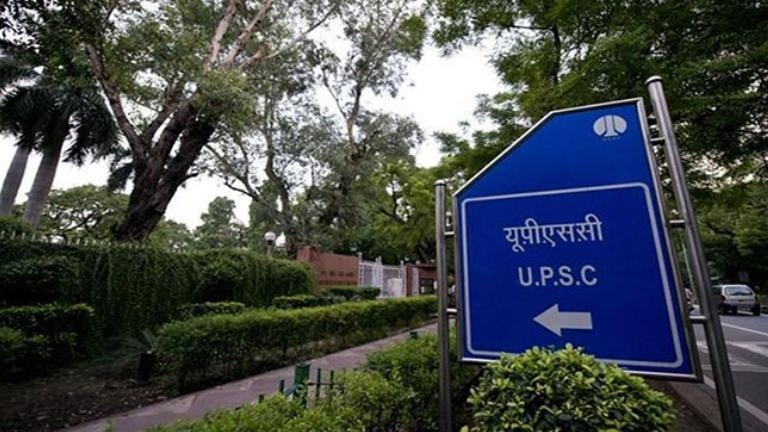
The UPSC Mains 2026 essay paper emphasized philosophical and abstract topics, requiring candidates to demonstrate interpretation, argumentation, and a humanistic outlook. The exam prioritized depth of thought and contemporary relevance over mere factual recall.
- Philosophical topics formed the core of the paper
- Interpretation and argument carried higher weight than factual recall
- Clear links to contemporary issues were expected
Paper Structure and Marking Scheme
The UPSC Civil Services Mains 2026 essay component carried a total of 250 marks, with candidates required to write two 125‑mark essays—one each from Sections A and B. Each section offered four options, allowing aspirants to choose topics that matched their strengths and analytical style.
Philosophical Prompts and Their Contemporary Links
Section A featured statements such as “Oxymorons reflect the ironies of life”, “A grateful mind is very beautiful”, “A thorn is a changed bud”, and “When two elephants fight, it is the grass that gets trampled.” Section B included prompts like “Nature is the symbol of the spirit”, “A well‑educated mind will always have more questions than answers”, among others. While abstract, each prompt invited candidates to connect philosophical insight with real‑world governance, social challenges, and global affairs.
Why This Matters
BozokMedia analysis shows that this blend of abstract and contemporary topics gauges not only intellectual depth but also ethical and humanistic grounding—qualities essential for future administrators.
Interpretation skills are the true litmus test for civil service aspirants.
Frequently Asked Questions
Q1: Do candidates need to provide real‑world examples for philosophical prompts?
A: Yes, concrete examples strengthen arguments and demonstrate the ability to apply abstract ideas to current scenarios.
Q2: Which skills earn the highest marks in this essay paper?
A: Clear interpretation, coherent argumentation, and a humanistic perspective are rewarded more than mere factual recall.