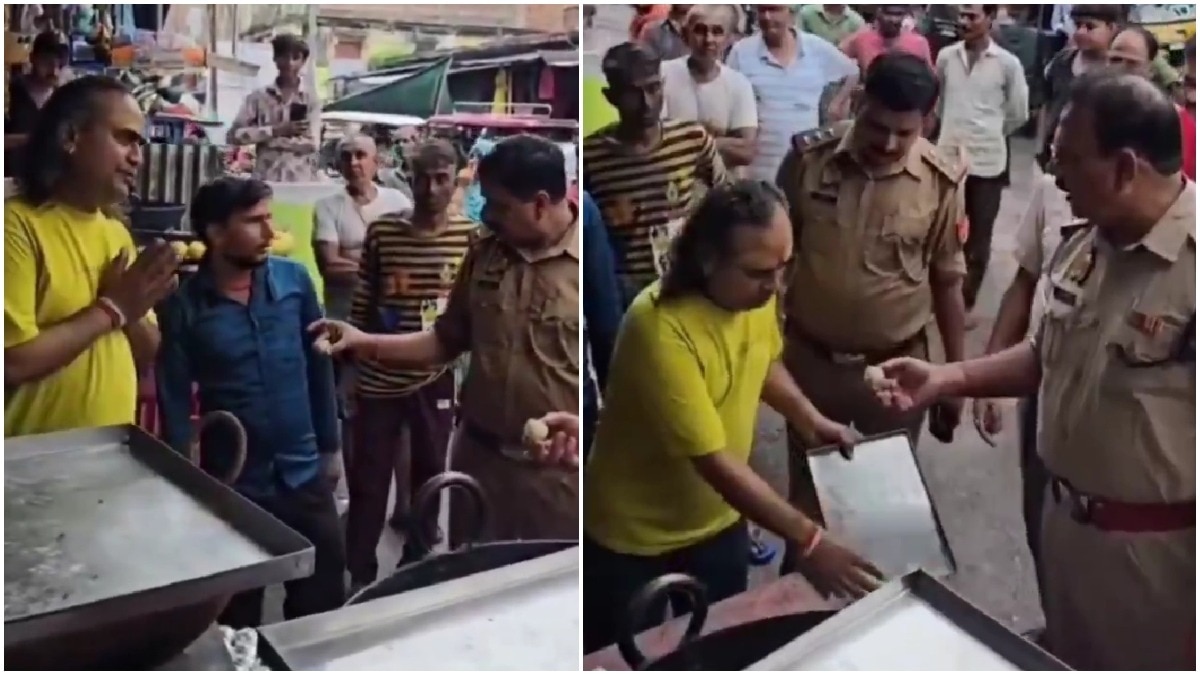
During a raid in Uttar Pradesh, officials asked a sweet shop owner to consume the adulterated sweets he was selling, but he firmly refused. The incident raises serious questions about food safety enforcement and consumer rights in India.
- Adulterated sweets were discovered in a UP sweet shop
- Officials demanded the owner eat the contaminated products
- The refusal sparked debate over food safety and consumer protection
Incident Overview
On April 12, the Uttar Pradesh Food Safety Department conducted a surprise raid on a popular sweet shop in a small city. Laboratory tests revealed the presence of chemical colourants and cheap sugar substitutes in several items.
During the inspection, officials instructed the shop owner to eat the very sweets he had adulterated. The owner declined, stating he could not jeopardise his customers' health.
Historical Background
Food adulteration has plagued India for decades. High‑profile cases, such as the 2015 Gujarat biscuit scandal, have caused widespread health crises and prompted stricter national regulations. Yet enforcement gaps persist, especially in semi‑urban and rural markets.
Why This Matters
BozokMedia analysis shows that incidents like this undermine public trust in both local vendors and regulatory bodies. When officials demand self‑consumption of adulterated goods, it calls the legitimacy of enforcement actions into question.
"Violators of food safety standards should face heavy penalties, not be forced to risk their own health," says food safety expert Dr. Rajat Singh.
Frequently Asked Questions
Q1: Has the shop owner been legally charged?
A: No formal FIR has been lodged yet, but potential fines and license revocation are being considered.
Q2: What should consumers do if they suspect adulterated food?
A: Report immediately to local consumer forums or the food safety department and retain product samples for testing.