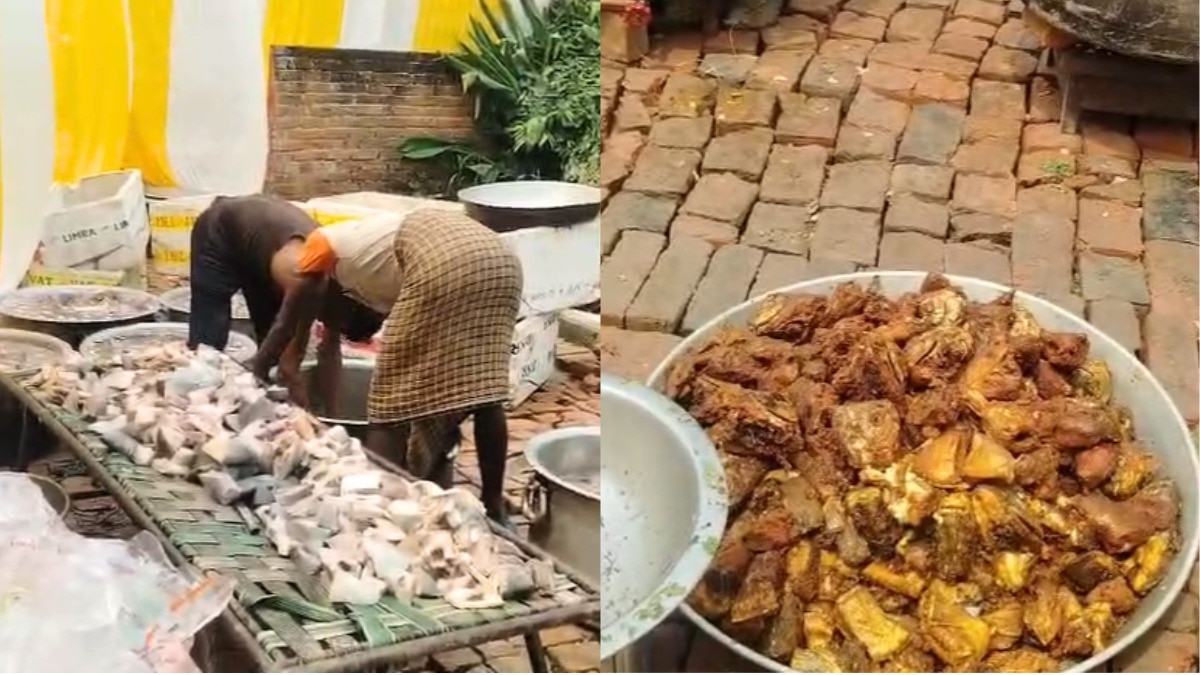
Congress organized a fish feast in the holy city of Ayodhya, prompting opponents to label it an insult to Sanatan Dharma, while a party leader defended it as a basic right to food. The incident highlights the clash between religious sensitivities and political outreach strategies.
- Congress held a fish feast in Ayodhya
- Opponents called it an insult to Sanatan Dharma
- Congress leader framed food as a universal right
Background
Ayodhya, revered as a sacred site in Hinduism, has been at the centre of religious and political disputes for the past two decades. The 2019 Supreme Court verdict on the Ram Janmabhoomi case triggered nationwide reactions, making any event with religious overtones highly scrutinized.
Details of the Feast and Congress Statement
The party organised the fish feast as a community gathering, emphasizing Ayurvedic nutrition and regional cuisine. During the event, Congress spokesperson Ajay Singh asserted, "Food is a right for every individual, regardless of caste, creed, or religion." This remark aligns with the party’s broader social‑justice narrative, yet rivals framed it as cultural insensitivity.
Reactions from Opposition and Public
The Bharatiya Janata Party (BJP) state chief condemned the event as "an insult to Sanatan Dharma," while Hindu right‑wing groups staged protests outside the venue. Conversely, several civil‑society organisations praised the initiative as a stand for food security.
Historical Context
Since the early 1990s, Ayodhya has witnessed a series of communal flashpoints—from the 1992 Babri Masjid demolition to the 2019 verdict. Political parties have often leveraged cultural events to court specific voter bases, making this fish feast a notable addition to the city’s contentious timeline.
Why This Matters
BozokMedia analysis shows that the controversy underscores how political parties in India increasingly use cultural events to signal inclusivity, while simultaneously risking backlash from majoritarian sentiments. The episode could influence voter perceptions ahead of the upcoming state elections in Uttar Pradesh.
"Framing food as a right promotes social inclusion, but ignoring religious sentiments amplifies political risk," says political analyst Dr. Ravi Singh.
Frequently Asked Questions
Question 1: Has any legal action been taken against the feast?
Answer: No formal FIR or court case has been filed yet, though local authorities have announced heightened security measures to maintain public order.
Question 2: Could this controversy affect upcoming elections?
Answer: Analysts believe the issue may sway votes in communities sensitive to religious symbolism, potentially impacting the electoral calculus in Uttar Pradesh.
