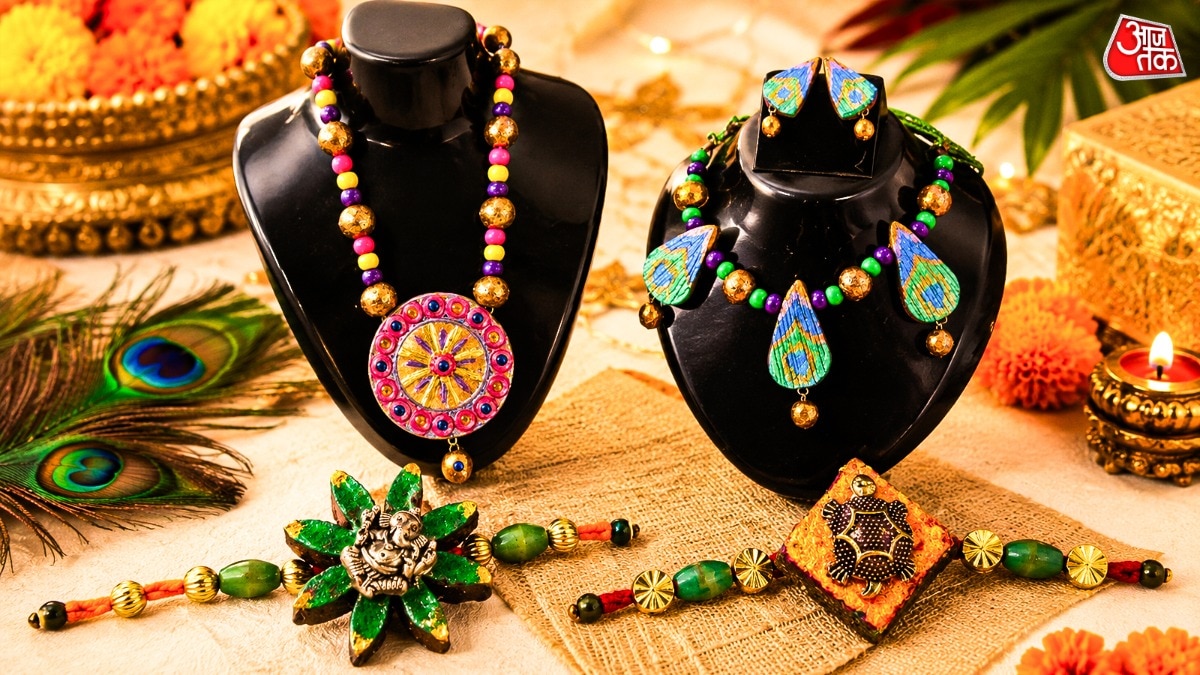
With gold and silver prices soaring, artisans in Palhi, Rajasthan have introduced eco‑friendly rakhis and jewellery made from cow dung. The biodegradable products blend sibling love with environmental stewardship this Raksha Bandhan.
- Gobar rakhis contain seeds that grow into flowering plants when buried
- Gobar jewellery offers a low‑cost, eco‑friendly alternative to precious‑metal ornaments
- Raksha Bandhan 2026 will be celebrated on August 28, with price pressure already evident
In Palhi district of Rajasthan, a local craftsman has turned cow dung into a range of colourful rakhis, necklaces and ear‑rings. The items are painted with vibrant, eco‑friendly hues and each rakhi includes special seeds that sprout into flowering plants once planted in soil.
While gobar‑based rakhis have appeared sporadically over the past few years, 2026 marks the first time gobar‑crafted jewellery is gaining mainstream attention. Necklaces, earrings and nose‑pins are designed so intricately that it is hard to tell they are not made of gold or silver.
Historical Background
Traditionally, Raksha Bandhan featured gold‑plated rakhis and silver jewellery as popular gifts. Between 2020‑2025, gold and silver prices jumped 30‑40%, pushing these items out of reach for many families and prompting artisans to explore affordable, sustainable alternatives.
Eco‑Friendly Design Elements
Cow dung, historically used as fertilizer and building material, is now being up‑cycled into festive accessories. Seed‑infused rakhis double as a post‑celebration planting kit, turning the sibling bond into a literal growth of new life.
| Item | Average Price (2026) | Environmental Impact |
|---|---|---|
| Gold Rakhi | ₹3,500 | High carbon footprint |
| Silver Jewellery | ₹5,200 | Moderate carbon footprint |
| Gobar Rakhi | ₹450 | Biodegradable, zero waste |
| Gobar Jewellery | ₹800‑₹1,200 | Biodegradable, low carbon |
Why This Matters
BozokMedia analysis shows that the shift toward biodegradable festive items not only eases household budgets but also aligns with India’s 2030 sustainability targets, making eco‑friendly Rakhi a potential mainstream trend.
"Gobar‑based jewellery is not just affordable; it reflects a growing consumer consciousness about the environment," says environmental expert Dr. Ravina Shah.
Frequently Asked Questions
Question 1: Are gobar‑made rakhis and jewellery safe to wear?
Answer: Yes, they undergo a thorough antibacterial treatment and meet all standard safety regulations.
Question 2: Will the prices of these eco‑products remain stable?
Answer: Prices depend on raw‑material availability and market demand; currently they remain significantly cheaper than traditional gold‑silver items.
