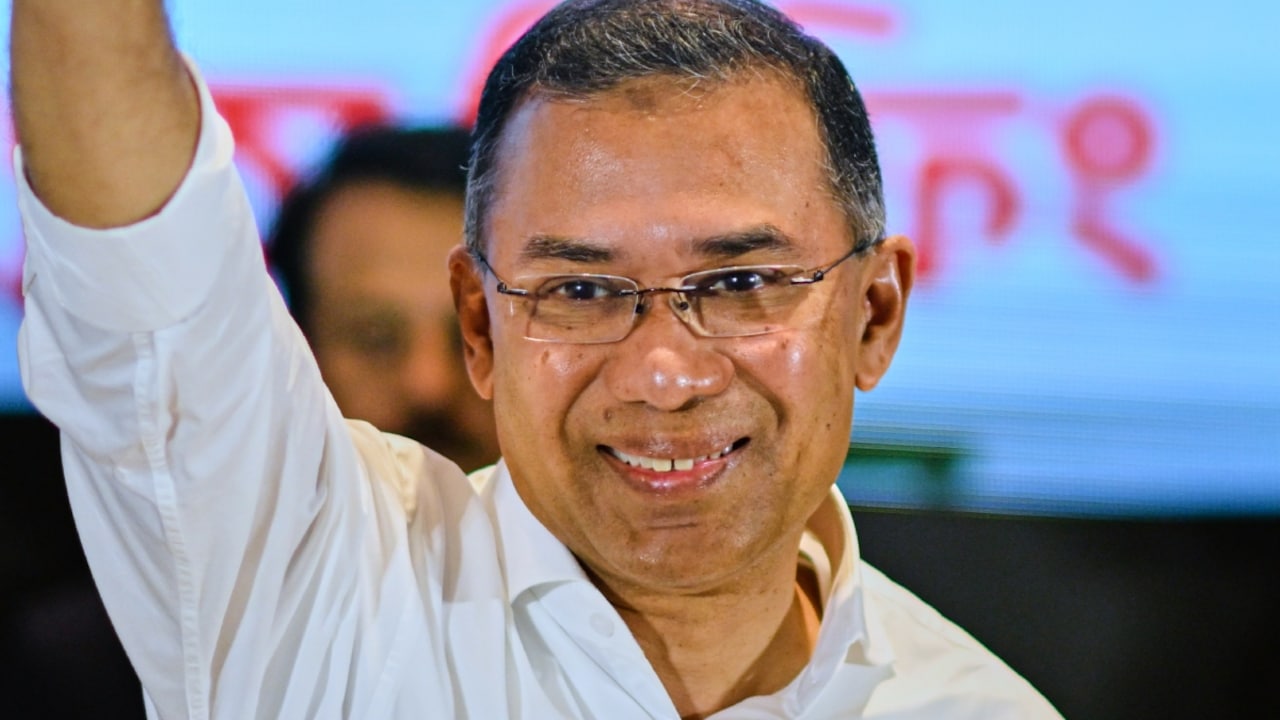
Bangladesh Prime Minister Tarique Rahman's abrupt cancellation of his scheduled visit to New Delhi has sparked a wave of speculation. Analysts examine diplomatic, political and security factors behind the decision.
- Tarique Rahman's Delhi visit was abruptly cancelled
- Signals rising tension between Bangladesh and India
- Potential long‑term impact on bilateral cooperation
Bangladesh Prime Minister Tarique Rahman called off his planned trip to New Delhi this month, injecting fresh uncertainty into already delicate South Asian relations. While officials have not offered a clear explanation, political commentators and security experts are weighing a range of possible motives.
Historical Background
Since Bangladesh’s independence in 1971, its relationship with India has oscillated between cooperation and contention. Trade, water‑sharing, border security and migration have repeatedly tested the partnership, yet high‑level visits have often helped reset the agenda. The last few years saw a series of engagements that expanded collaboration in energy and infrastructure.
Recent months, however, have been marked by heightened political turbulence in Dhaka and a shift in India’s foreign‑policy focus, creating an environment ripe for friction. Domestic opposition in Bangladesh has criticized India’s trade measures, while New Delhi has publicly reaffirmed its anti‑terror stance in the region.
Possible Reasons for the Cancellation
Experts point to several intertwined factors:
- Security concerns: A spate of attacks in Delhi has tightened security protocols for visiting dignitaries.
- Political pressure: Opposition parties in Bangladesh framed the trip as a sign of governmental complacency, compelling the prime minister to backtrack.
- Legal disputes: Ongoing disagreements over the Ganges‑Brahmaputra water sharing treaty have added diplomatic strain.
It is likely a combination of these elements, rather than a single cause, that led to the abrupt decision.
Why This Matters
BozokMedia analysis shows that the cancellation not only reflects immediate diplomatic friction but also signals a potential shift in South Asian regional alignment, influencing trade routes, security cooperation, and voter sentiments in both nations.
"A sudden pull‑back like this erodes trust and puts future collaborative projects at risk," says international‑relations scholar Dr. Raman Gupta.
Future Scenarios
If tensions persist, trade and water‑resource projects between Bangladesh and India could stall, affecting millions dependent on cross‑border commerce. Moreover, the move may reshape strategic calculations amid the growing China‑India rivalry.
Frequently Asked Questions
Question 1: Will Prime Minister Tarique Rahman reschedule his visit to India?
Answer: No official timeline has been announced, but diplomatic channels remain open for future engagement.
Question 2: How might the cancellation affect Bangladesh’s economy?
Answer: Short‑term trade and investment flows could experience delays, though the long‑term economic impact remains uncertain.