Lawmaker P. Chidambaram labeled the One Nation One Election Bill unconstitutional before the Joint Parliamentary Committee, arguing it breaches the Constitution’s basic structure. His objection challenges the NDA’s agenda to hold simultaneous Lok Sabha and state elections in 2029.
- Chidambaram called the bill unconstitutional
- The bill violates the Constitution’s basic structure
- The issue was raised before the JPC
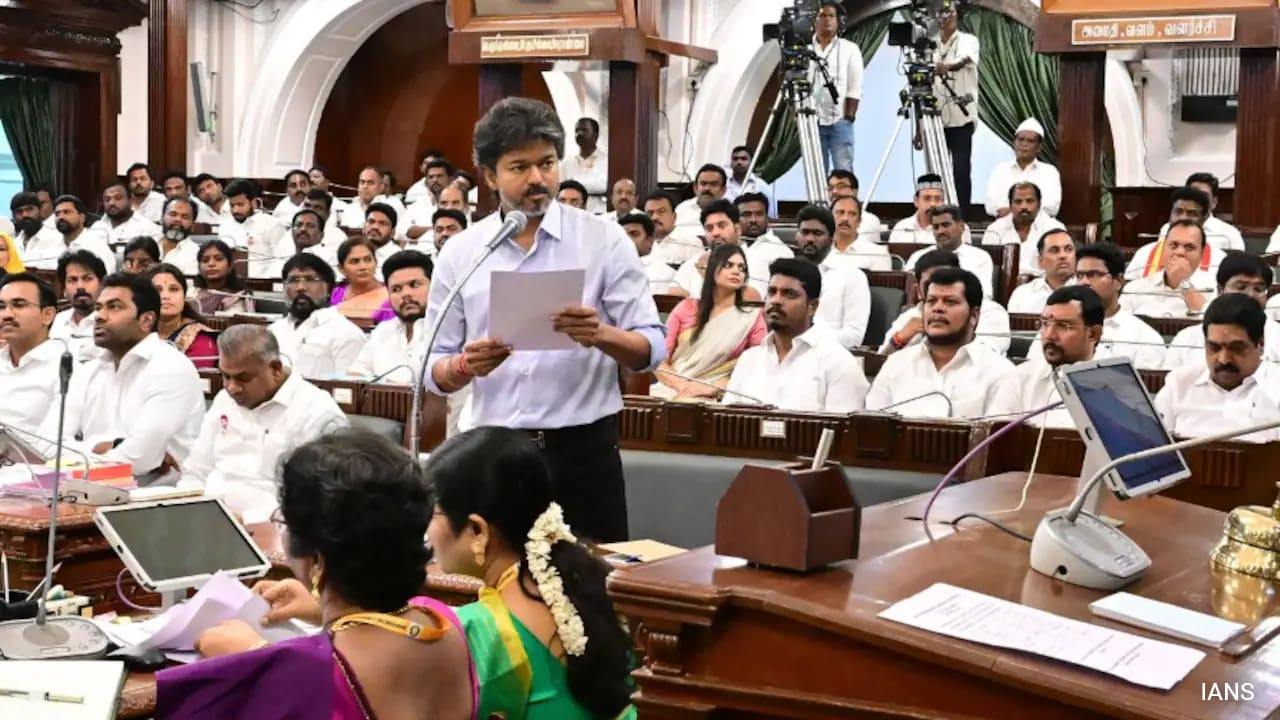
During a heated session on March 23, the Joint Parliamentary Committee (JPC) examined the government’s One Nation One Election Bill. Critics, led by senior Congress leader P. Chidambaram, argued that the proposal undermines India’s federal framework and the basic structure doctrine of the Constitution.
Background of the Bill
The National Democratic Alliance (NDA) aims to synchronize the 2029 Lok Sabha election with simultaneous assembly polls in 22 states and union territories. Officially, the move is presented as a cost‑saving measure and a way to reduce administrative fatigue, ensuring continuous development work.
Chidambaram’s Arguments
Chidambaram contended that the bill “directly contravenes the basic structure of the Constitution” by granting the Centre unprecedented control over state election calendars. He added that differing socio‑economic realities across states were ignored, potentially widening development gaps.
Constitutional Experts Weigh In
"If this bill becomes law, it will fundamentally alter India’s federal balance," said a leading constitutional law scholar.
Why This Matters
BozokMedia analysis shows that the passage of the One Nation One Election Bill would accelerate power centralisation, diminishing state autonomy. This shift could reshape not only electoral mechanics but also policy‑making, economic growth trajectories, and social cohesion across the nation.
Frequently Asked Questions
Q1: Has the One Nation One Election Bill been passed by Parliament?
A: No, it is still under review by the Joint Parliamentary Committee, with several opposition parties demanding its withdrawal.
Q2: Which parties are opposing the bill?
A: The main opposition includes the Indian National Congress, several regional parties, and a number of independent MPs.