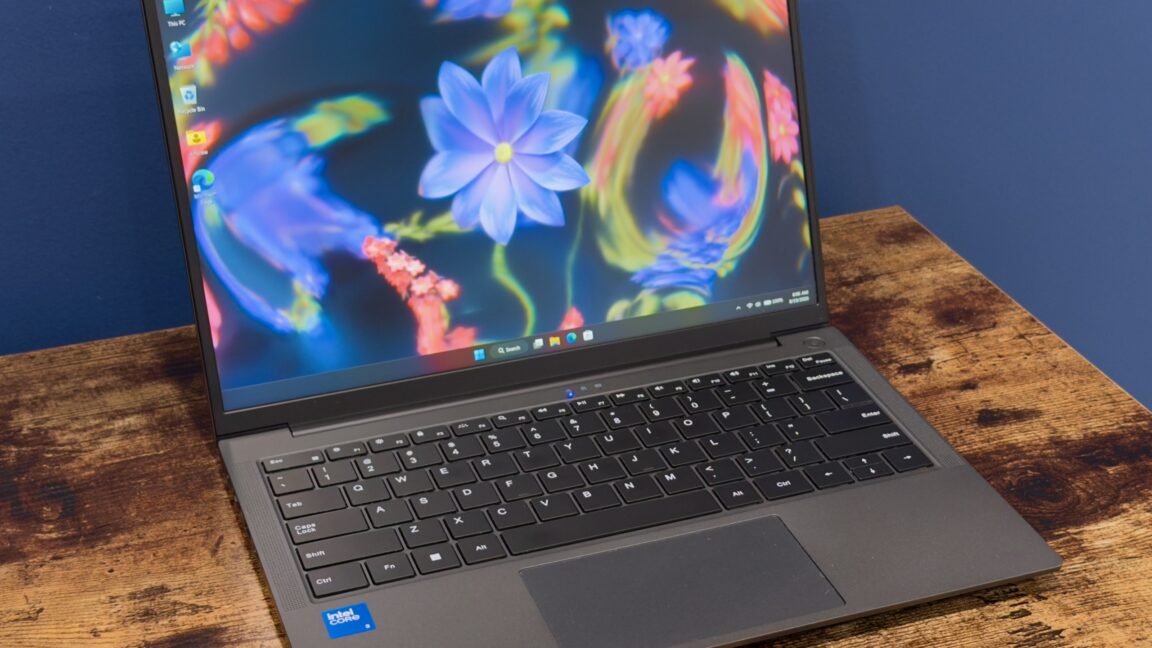
Chuwi's Unibook arrives at $449 offering a stripped‑down experience for budget‑conscious users. While it falls short on polish, its bare‑bones approach makes it an intriguing option for those willing to tolerate quirks.
- Unibook targets the $449 price point with essential specs
- Keyboard, screen and build quality are modest
- Potential to push the low‑end laptop market toward better standards
Product Overview
Chuwi recently launched the Unibook, priced at $449 (≈ ₹37,000). Positioned as a basic laptop for web browsing, document work, and light media consumption, the device feels like a “fun‑house mirror” of higher‑end models—recognizable yet distorted.
Technical Specifications
The machine is powered by Intel’s new Wildcat Lake Series 3 processor, built on the same node as premium chips but tuned for lower performance. It ships with 8 GB RAM, a 256 GB SSD, and a 13.3‑inch Full HD display that suffers from limited colour accuracy and brightness.
Market Competition
Intel’s budget‑friendly silicon has spurred Dell, Acer, Asus and Lenovo to announce comparable devices—Dell’s XPS 13 starts at $599 for students, Acer’s Swift Air 14 at $699, and so on. Those rivals often add extra features, yet the Unibook’s philosophy is to forgo frills and focus on getting the basics right.
Why This Matters
BozokMedia analysis shows that if a low‑cost laptop like the Unibook can deliver consistent quality, it could force mainstream PC makers to raise the baseline for keyboards, screens and chassis in the sub‑$600 segment.
“A solid, affordable notebook can be a market disruptor,” notes tech analyst Rajesh Singh.
Frequently Asked Questions
Q1: Is the Unibook suitable for everyday tasks?
Yes, it handles browsing, office suites and light media well, but it is not designed for heavy gaming or professional video editing.
Q2: Are there better alternatives at the same price?
Competitors like Dell and Acer offer additional features at similar price points, though they may compromise on keyboard feel or build quality.
