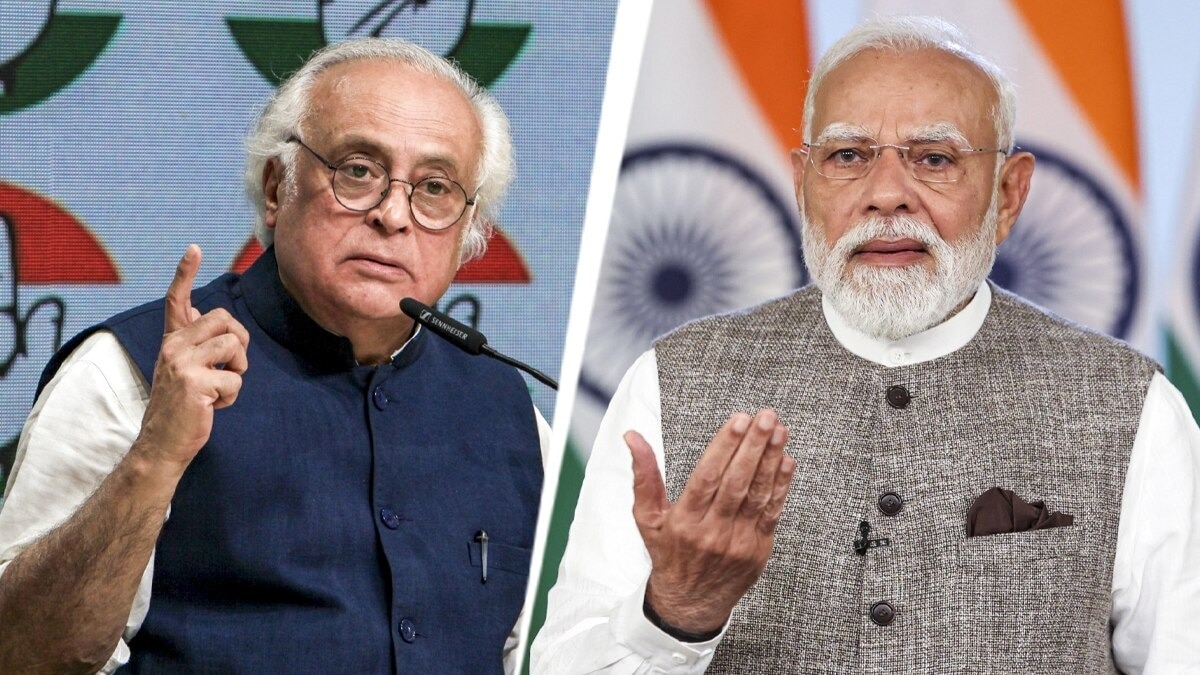
Congress leader Jairam Ramesh slammed the Modi government over a 76% rise in onion prices and soaring inflation, demanding answers on how the poor and middle class can survive. He challenged the “Achche Din” narrative with stark data from Nashik and other states.
- Onion prices in Nashik jumped 76% in one month
- Wholesale rates doubled in several states
- Congress questions the Modi government’s “Achche Din” claim
Jairam Ramesh took to X, accusing the Modi administration of letting inflation run rampant, calling it an “inflation bomb” that is crushing ordinary citizens. He highlighted the unprecedented surge in onion prices as a symptom of deeper economic distress.
According to a media report, onion prices in the Nashik market have risen roughly 76% within a single month, while wholesale rates in some states have doubled, mirroring the earlier spike in sugar prices.
The Congress leader warned that essential items such as milk, oil, fruits, and staples are slipping out of reach for the average Indian, especially the poor and middle‑class families who are already feeling the pinch of rising unemployment.
While the Modi government continues to tout the promise of “Achche Din,” Ramesh demanded a clear explanation of how citizens are expected to make ends meet amid spiralling costs.
Historical Background
India has witnessed a series of inflationary spikes over the past five years. In 2022, onion prices surged by about 60%, and sugar prices doubled in 2023, each episode influencing voter sentiment and political narratives.
Why This Matters
BozokMedia analysis shows that soaring commodity prices could reshape voter sentiment ahead of the next general elections, potentially eroding the incumbent government's support base.
Analyst Dr. Anita Singh: "The impact of inflation on the middle class’s purchasing power is severe and could fuel broader social unrest."
Frequently Asked Questions
Q1: What is driving the sudden surge in onion prices?
A: Supply constraints, seasonal variations, and changes in export policies are cited as primary drivers.
Q2: What actions has Congress pledged to take on this issue?
A: Congress has called for a special committee to monitor prices and for the government to replenish public buffer stocks.