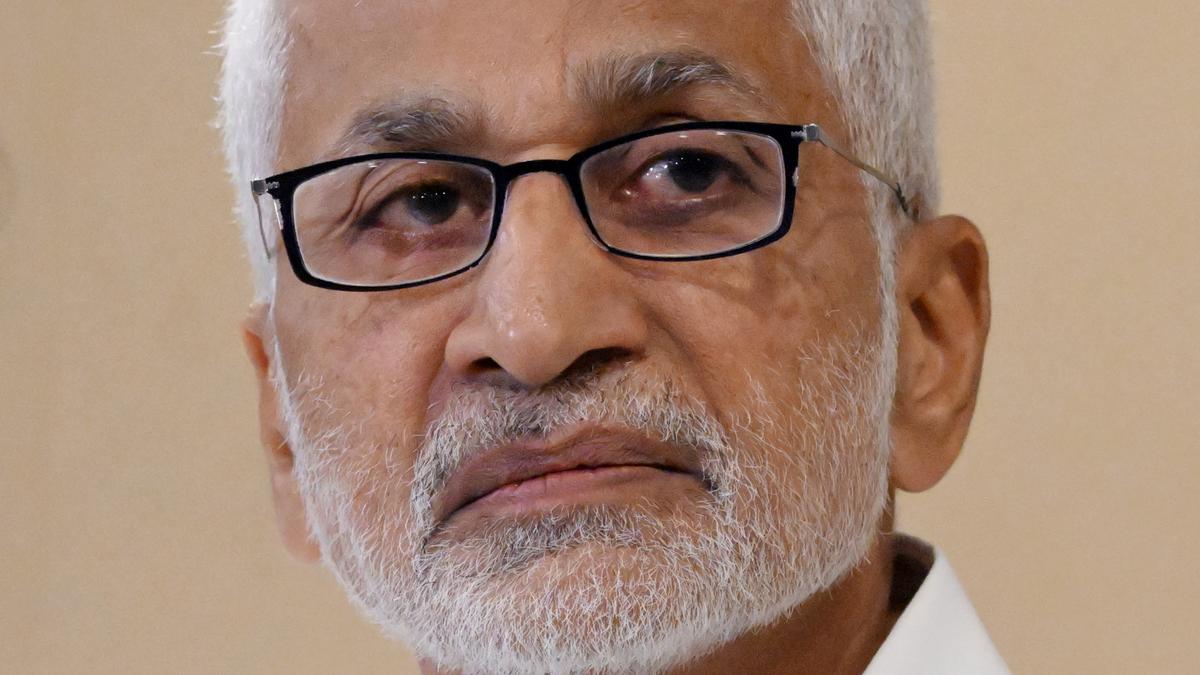
Jharkhand leader Devendra Nath Mahto inaugurated a statewide recruitment‑exam reform march from Nemra, Ramgarh, demanding transparency, accountability and fairness in hiring processes.
- Goal to eradicate paper‑leak scandals in Jharkhand exams
- Yatra spans 24 districts, concluding in Ranchi
- Strong grassroots support coupled with local resistance
Jharkhand Loktantrik Krantikari Morcha (JLKM) chief Devendra Nath Mahto launched the Bharti Vayayastha Sudhar Yatra on 24 August 2026 from Nemra village in Ramgarh district – the birthplace of former Chief Minister Shibu Soren. The ceremony began with garlanding Shibu Soren’s statue on school grounds.
Historical Background
For more than two decades, Jharkhand’s recruitment exams have been plagued by paper‑leak incidents, shattering students’ aspirations. In 2020, the High Court stayed several job‑test cancellations, sparking massive protests. Mahto’s march seeks to break this cycle and restore faith in the system.
Guided by a senior tribal priest (Pahan), Mahto planted a Sakhua sapling while holding a framed photograph of Shibu Soren, symbolising both cultural reverence and environmental consciousness.
The Yatra will travel from Ramgarh through Hazaribagh, Chatra, Koderma, Giridih, Deoghar, Dumka, Godda, Sahibganj, Pakur, Jamtara and other districts before culminating in Ranchi. At each stop, students, aspirants and civil society groups will be consulted.
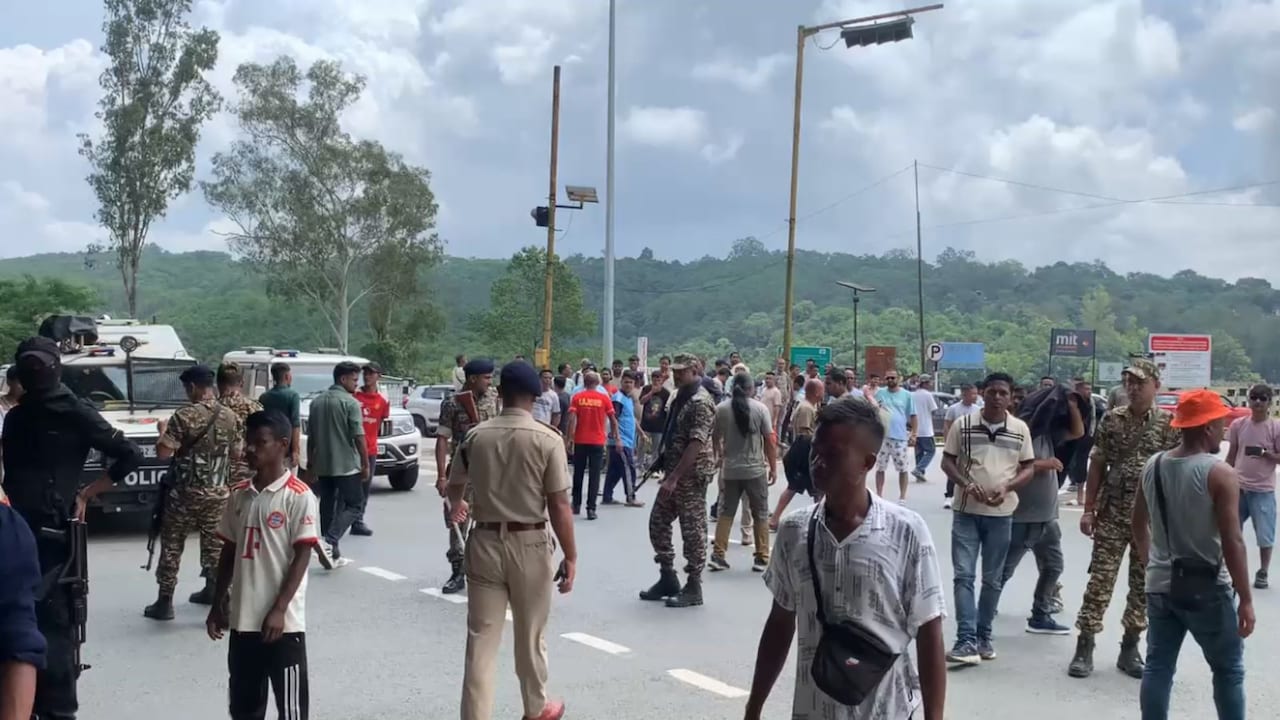
Prior to Mahto’s arrival, villagers blocked the road to Shibu Soren’s ancestral house with traditional weapons—bows, arrows, axes and sticks—citing rumors that his supporters planned to burn Chief Minister Hemant Soren’s effigy. “No one can burn the Chief Minister’s effigy in Nemra; the consequences would be horrifying,” said resident Srikhant Soren.
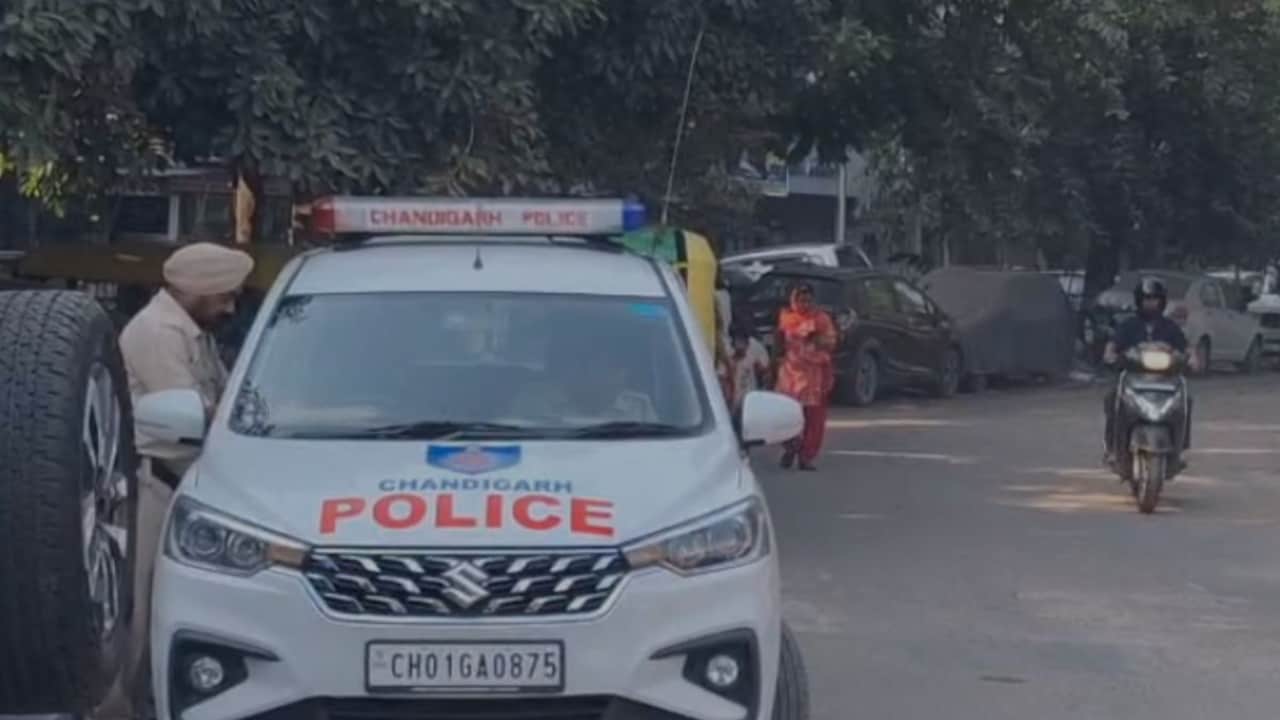
Local police from Barlanga and Gola stations were deployed, yet the Yatra’s leaders refrained from any violent act. Mahto emphasized, “We are doing this for the future of students who constantly face paper‑leak issues. For the last 26 years, leaked papers have shattered families’ dreams.”
Why This Matters
BozokMedia analysis shows that successful implementation of the Yatra’s demands could dramatically improve the credibility of the Jharkhand Public Service Commission (JPSC) and Jharkhand Staff Selection Commission (JSSC), fostering a merit‑based recruitment environment.
“Transparency in recruitment not only restores student confidence but also accelerates the state’s economic development,” said a public‑policy expert.
Frequently Asked Questions
Question 1: What is the primary objective of the Yatra?
Answer: To stop paper‑leak scandals, ensure transparent selection processes and create a corruption‑free recruitment system.
Question 2: Is the Yatra politically biased?
Answer: While some political figures support it, the movement’s core focus remains on student rights and systemic reform.