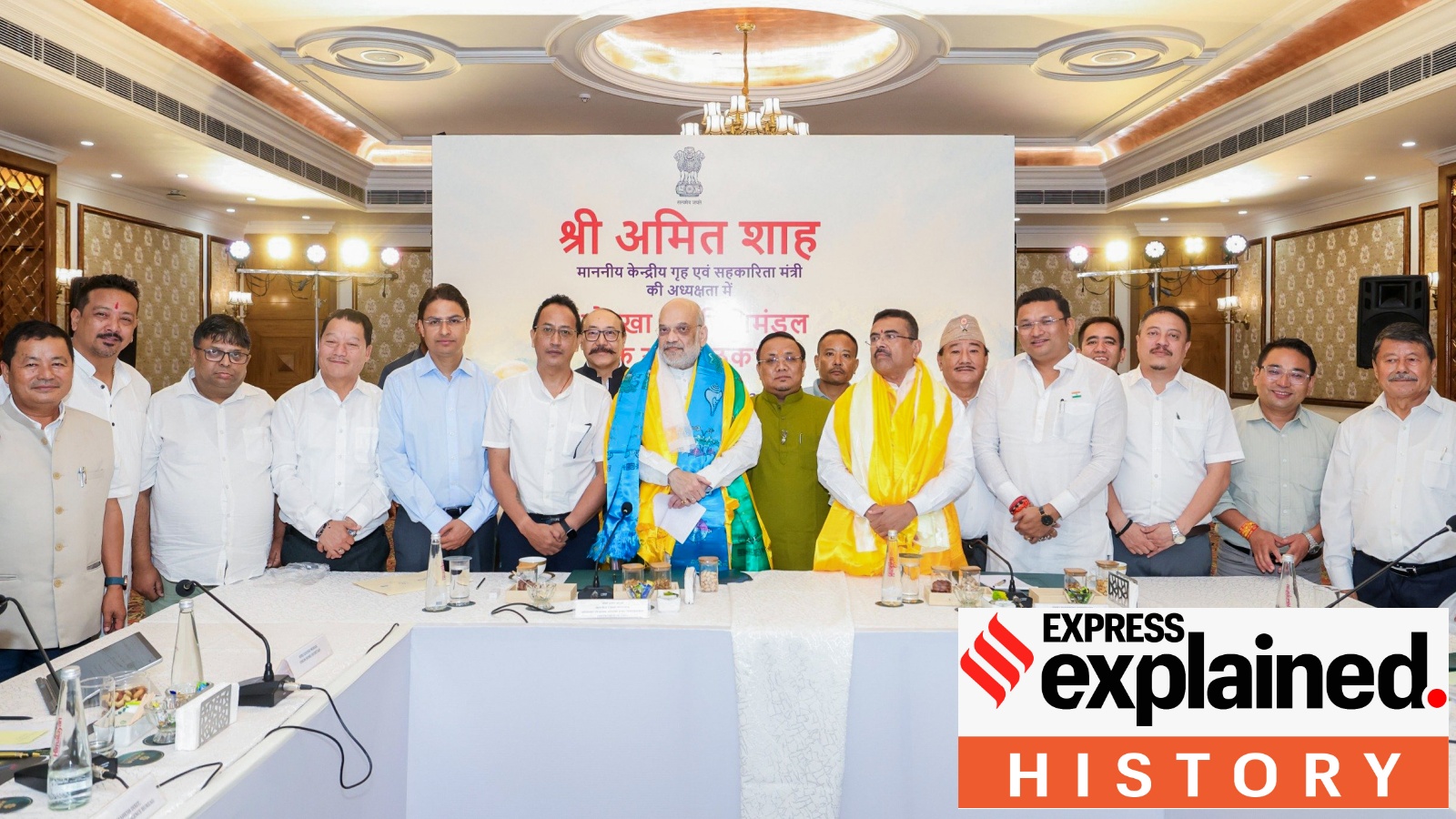
The Union Home Ministry has formed a high‑level panel to seek a permanent political solution for the Gorkhaland issue, a demand that traces back to a 1907 petition. This article charts the century‑long struggle, key milestones, and the latest political dynamics in Darjeeling.
- The Gorkhaland state demand dates back to 1907.
- In 2026 the Centre created a new committee for a lasting solution.
- Political actors Bimal Gurung, BGPM and BJP shape the current landscape.
Historical Roots
In 1907, the Darjeeling Hillmen’s Association, led by Sonam Wangel Laden La, submitted a formal petition to the Minto‑Morley Reforms Committee demanding a separate administrative unit for Darjeeling and Jalpaiguri, distinct from Bengal.
British Era and Post‑Independence Phase
Subsequent groups such as the Gorkha Officers’ Association and the Kurseong Gorkha Library presented their case to the Simon Commission (1929) and British officials Sir Samuel Hoare and Lord Pethick‑Lawrence, seeking a chief‑commissioner’s province.
Rise of Modern Movement
The 1980s saw Subhas Ghising launch the Gorkha National Liberation Front (GNLF) and coin the term “Gorkhaland.” The 1988 creation of the Darjeeling Gorkha Hill Council (DGHC) gave the hills semi‑autonomous status for 23 years.
New Political Landscape
In 2007, Bimal Gurung formed the Gorkha Janmukti Morcha (GJM), leading to the 2011 establishment of the Gorkha Territorial Administration (GTA). The 2017 unrest, triggered by the state’s decision to make Bengali mandatory in schools, lasted 104 days, claimed 11 lives, and crippled tourism.
Current Political Balance
In the 2022 GTA elections, the Bharatiya Gorkha Prajatantrik Morcha (BGPM) – a splinter of Gurung’s GJM aligned with the TMC – won 27 of 45 seats. Meanwhile, the BJP retained the Darjeeling Lok Sabha seat in 2019 and 2024 and swept all three hill assembly seats in the May 2026 West Bengal elections.
Why This Matters
BozokMedia analysis shows that the formation of the new panel signals a pivotal shift from ad‑hoc protest management to a structured constitutional dialogue, potentially reshaping West Bengal’s ethnic politics for decades.
"Without a permanent solution, the Gorkha agitation could deepen social instability," says South Asia scholar Dr. Anjali Kumar.
Frequently Asked Questions
Q1: Will Gorkhaland ever become a full-fledged state?
A: The outcome depends on the new committee’s recommendations and constitutional procedures.
Q2: When could key Gorkha communities receive Scheduled Tribe (ST) status?
A: The panel has suggested ST status for 11 communities, but legislative approval is required.