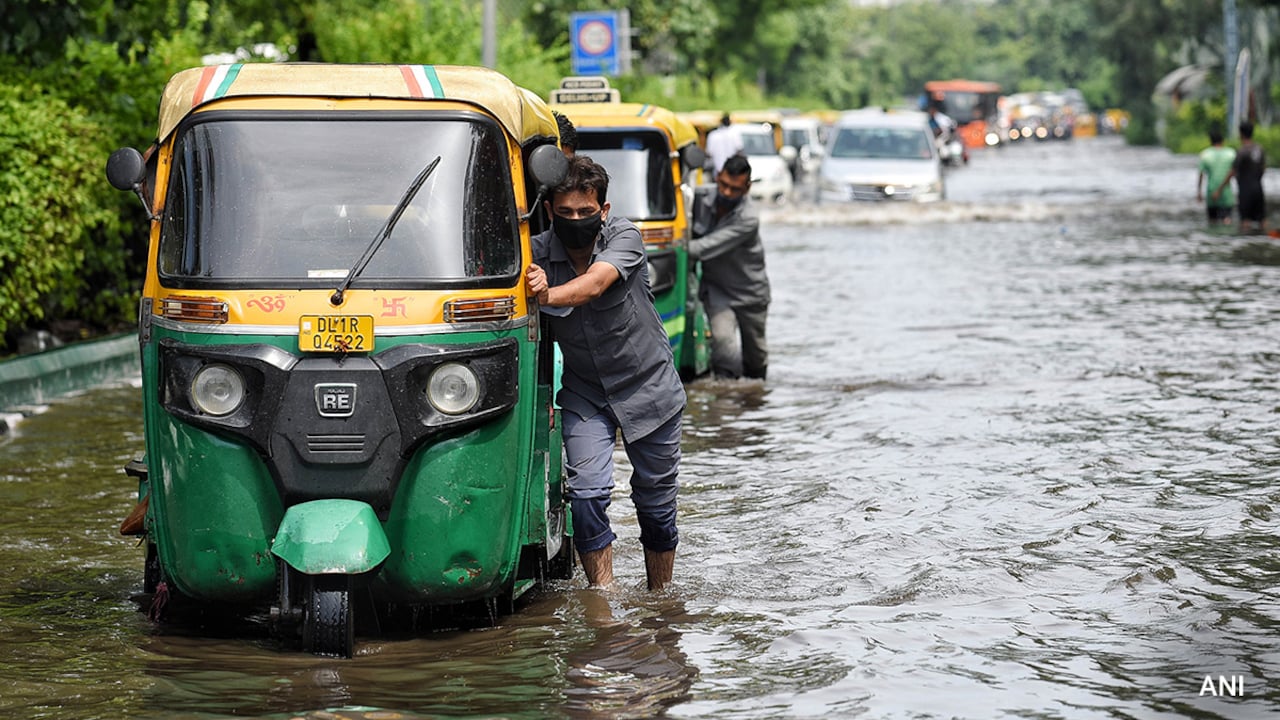
Heavy rain on Monday morning disrupted daily life across Delhi‑NCR, causing widespread waterlogging and traffic snarls. Simultaneously, an unexpected temperature drop highlighted the city’s increasingly erratic weather pattern.
- Heavy rain on Monday
- Road waterlogging
- Temperature drop
Delhi‑NCR experienced a sudden downpour on Monday morning, halting normal activities. Numerous areas saw waterlogged streets, slowing traffic and delaying public transport services.
The rain was accompanied by a sharp dip in temperature, falling up to 5°C in some parts of the city, forcing residents to pull out warm clothing despite the season’s usual heat.
Historical Background
Delhi’s climate has always been diverse, but the past decade has seen a steady rise in average temperatures and increasingly irregular rainfall patterns. Since 2010, the frequency of intense storms and sudden cold snaps has risen markedly, underscoring the city’s vulnerability to climate change.
Current Drivers
Meteorologists attribute this volatile pattern to a combination of rising heat, high humidity, the urban heat‑island effect, and erratic monsoon behavior. These factors together generate heavy rainfalls followed by abrupt cool spells.
Why This Matters
BozokMedia analysis shows that prolonged waterlogging not only hampers daily commute but also strains the city’s drainage infrastructure, raising public health concerns during the monsoon season.
"Elevated humidity coupled with inadequate drainage is amplifying Delhi’s flood risk," says climate expert Dr. Anjali Sharma.
Frequently Asked Questions
Q1: Is there a long‑term plan to reduce waterlogging in Delhi?
A: The municipal corporation has announced a comprehensive upgrade of drainage networks and the construction of rainwater harvesting tanks.
Q2: How does such erratic weather affect public health?
A: The risk of water‑borne diseases, such as dengue and leptospirosis, rises sharply during prolonged flooding.