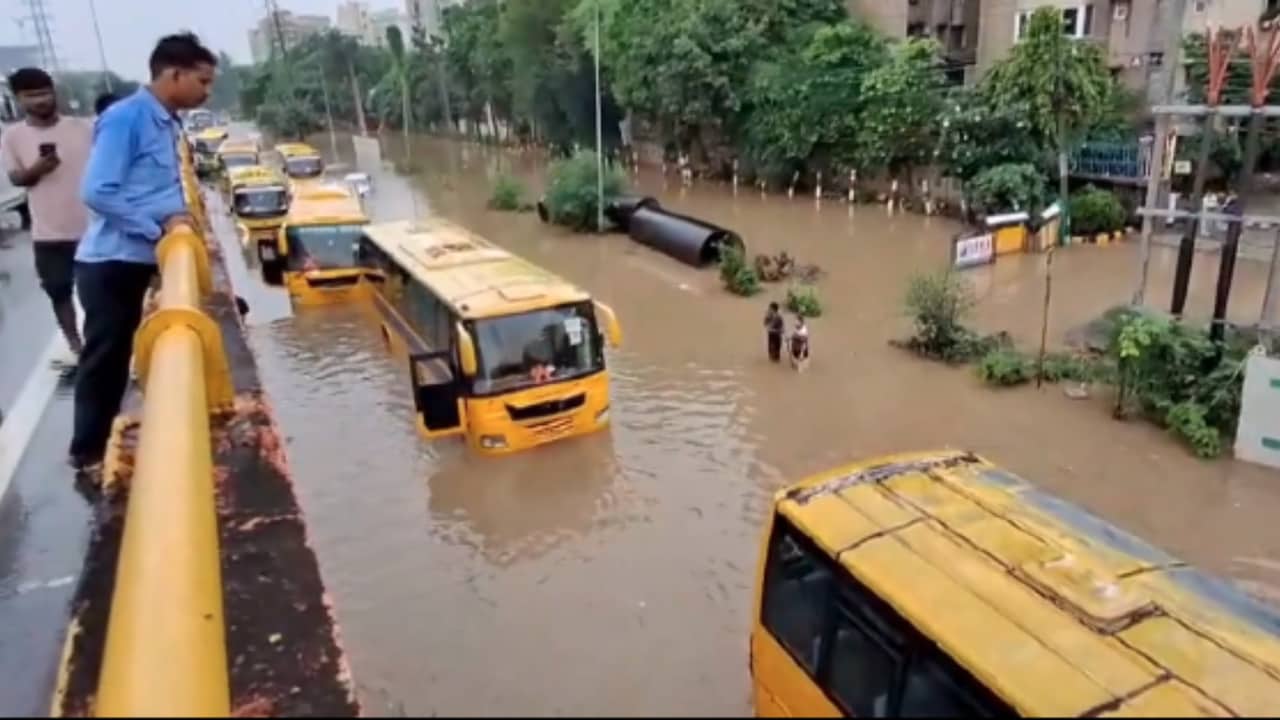
A sudden downpour stalled traffic across Delhi NCR, with Gurugram bearing the brunt of waterlogged streets and stranded vehicles. The disaster highlights the fragility of the city’s high‑income infrastructure during intense monsoon spells.
- Severe waterlogging on Gurugram’s main roads
- Massive traffic jam leaves hundreds of vehicles stuck
- Urban infrastructure fails to cope with seasonal flooding
By 0:47 am, a rapid burst of rain turned Delhi’s National Capital Region into a standstill, especially in Gurugram. Water levels surged to nearly two metres on major arteries, rendering daily commutes virtually impossible.
Rising Waters and Gridlock
National Highway 48 and Sector 28’s thoroughfares were submerged, creating kilometer‑long queues of cars, buses, and trucks. Emergency services struggled to navigate the flooded lanes, while public transport was forced to reroute or halt altogether.
Why a High‑Income City Is Crumbling
Despite being one of India’s wealthiest urban centers, Gurugram’s rapid expansion outpaced its drainage capacity. Over‑built commercial zones, outdated storm‑water channels, and unregulated construction have turned monsoon rains into a city‑wide crisis.
Historical Background
Delhi’s monsoon history is littered with similar catastrophes: the 2010 floods claimed 12 lives, and the 2015 deluge flooded entire neighborhoods. Each event sparked calls for better urban planning, yet implementation lagged, leaving the city vulnerable.
Government Response and Future Plans
Local authorities launched emergency rescue operations, but inadequate drainage hampered relief. The municipal corporation pledged accelerated funding for new drainage projects and a comprehensive monsoon‑readiness audit.
Why This Matters
BozokMedia analysis shows that weaknesses in urban infrastructure not only disrupt daily life but also dent national productivity and foreign investment. Repeated flood events cause commercial downtime, lowering GDP growth and eroding investor confidence.
"Our city’s drainage network is simply not designed for the intensity of modern monsoons; a complete redesign is essential," says climate‑science expert Dr. Anita Singh.
Frequently Asked Questions
Question 1: Was there any prior warning for this flood?
Answer: The meteorological department issued a mild alert 24 hours earlier, but the severity was not forecasted.
Question 2: What steps can prevent similar future incidents?
Answer: Upgrading drainage systems, regular maintenance, and stricter enforcement against illegal construction are key solutions.