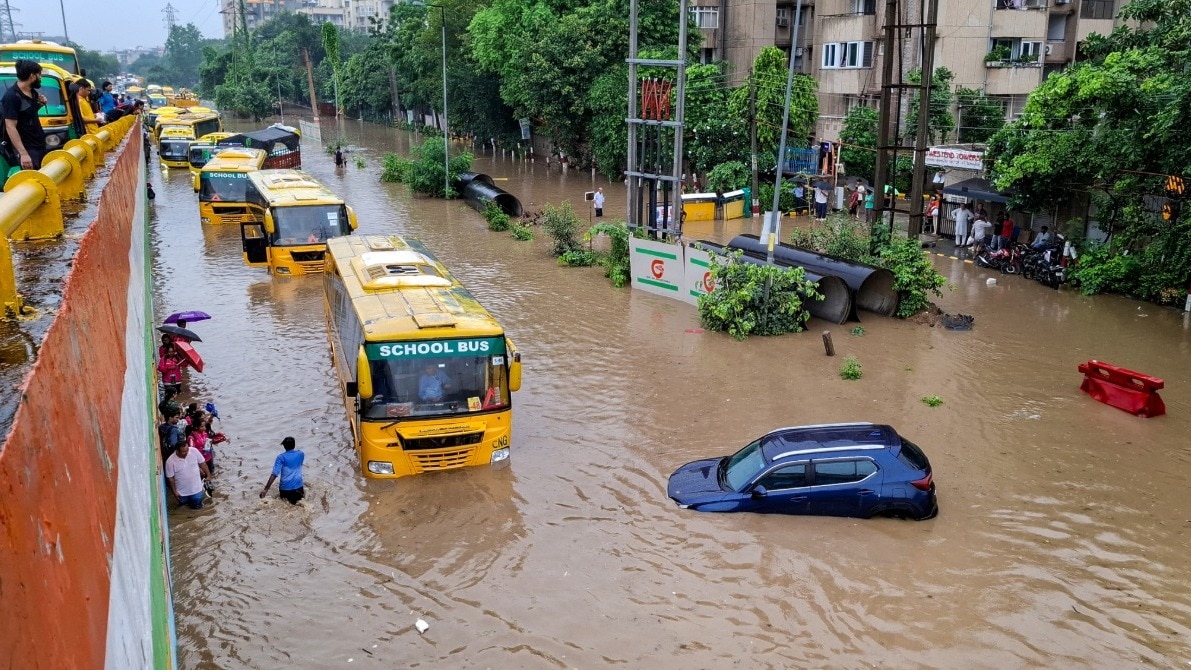
A sudden downpour has overwhelmed Gurugram’s state‑of‑the‑art flats and its two‑kaundi drainage system, leaving large swathes submerged. Authorities face criticism over response and long‑term mitigation plans.
- Gurugram recorded over 140 mm of rain in 24 hours
- Two‑kaundi drainage exceeded design capacity
- Widespread residential flooding triggered emergency relief
Current Situation
In the past 48 hours, Gurugram—Haryana’s commercial powerhouse—experienced more than 140 mm of rainfall, one of the heaviest in the last decade. The deluge inundated high‑rise apartments, shopping complexes and major roadways, while the two‑kaundi (dual‑size) drainage network failed to cope with the surge.
Why the Modern Infrastructure Collapsed
Despite attracting multinational corporations and multi‑million‑dollar real‑estate projects over the last two decades, Gurugram’s storm‑water planning lagged behind. New constructions placed additional load on an already overstretched drainage grid, and routine maintenance of existing canals has been neglectful.
Historical Background
Over the past 20 years, Gurugram has faced repeated flash‑flood events, notably in 2015, 2019 and 2022. Each incident caused significant property damage, yet comprehensive upgrades to the city’s hydrological infrastructure remained insufficient, setting the stage for the current crisis.
Why This Matters
BozokMedia analysis shows that Gurgaon’s recurring flood crises expose a larger systemic failure in urban planning across India’s fast‑growing metros, threatening real‑estate investments and public safety.
"Without proper water‑management, any urban development is unsustainable," says water‑resources expert Dr. Ravi Sharma.
Frequently Asked Questions
Question 1: Is there a concrete plan to prevent such floods in the future?
Answer: The municipal corporation has announced a comprehensive watershed management project, but implementation faces funding and coordination hurdles.
Question 2: What relief measures are being offered to affected residents?
Answer: Authorities have set up supply hubs, temporary shelters and mobile rescue units across the most impacted zones.


