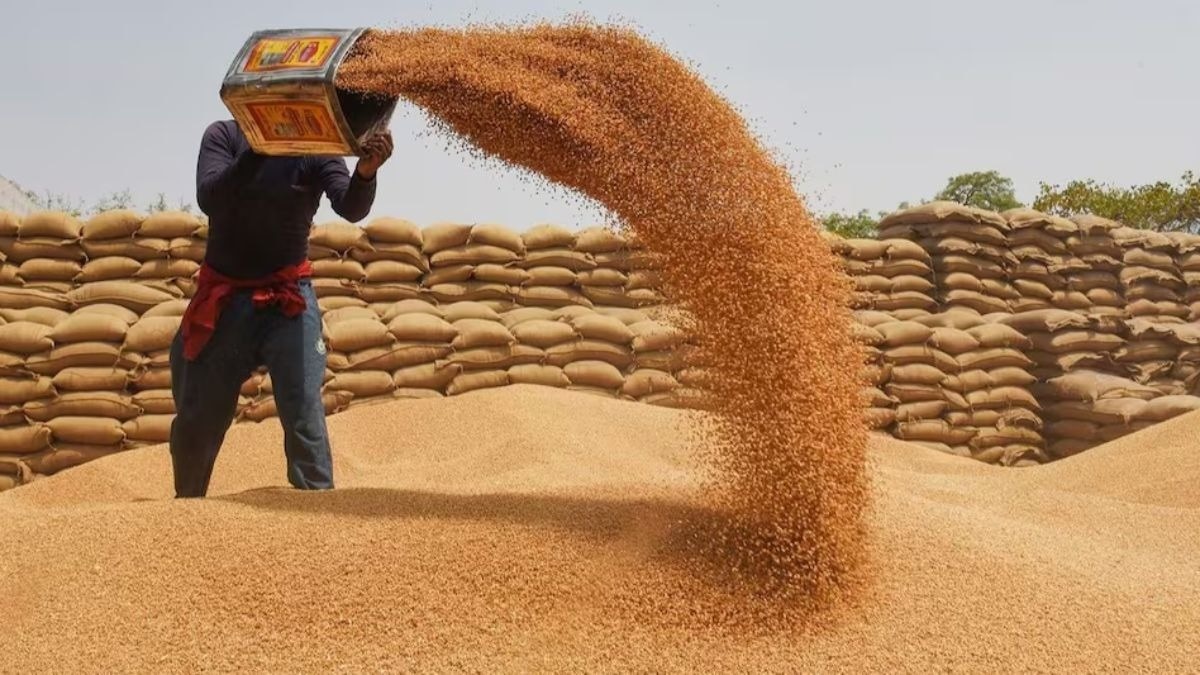
India has lifted its four-year wheat export ban to curb low domestic prices and improve farmer earnings. The move is expected to encourage higher sowing in the upcoming rabi season.
- India immediately lifts wheat export ban
- Policy shift aims to stabilise domestic prices
- Food Corporation of India holds ~49 million tonnes buffer stock
Export Ban Removed
The Ministry of Commerce announced on Monday that the export ban on wheat and wheat products is now lifted with immediate effect. The Directorate General of Foreign Trade re‑classified wheat from “prohibited” to “free”, also clearing wheat flour, maida, semolina and whole‑meal atta for export.
Background
In May 2022, India imposed a wheat export ban to control soaring domestic prices. As the world’s second‑largest wheat producer, the restriction aimed to keep local markets stable. Earlier this year, the government allowed licences for 5 million tonnes of wheat and 1 million tonnes of wheat products, but only 2.5 million tonnes have been shipped so far.
Statement from Food Secretary Sanjeev Chopra
Food Secretary Sanjeev Chopra told PTI, “The export ban has been lifted in the interest of farmers. Domestic wheat prices are depressed currently. Allowing exports will increase market prices, encourage good sowing in the coming rabi season and help farmers receive better prices.” He added that India’s stock levels are sufficient to meet domestic demand without sparking inflation.
Production & Stock Levels
India recorded a historic 120.65 million tonnes of wheat in the 2025‑26 crop year, up from 117.94 million tonnes the previous year. The Food Corporation of India (FCI) maintains roughly 49 million tonnes in its buffer stock.
Current Retail Prices
The all‑India average retail price of wheat stood at ₹31.46 per kg, while wheat flour sold at an average of ₹37.30 per kg, both essentially unchanged from a year earlier.
Why This Matters
BozokMedia analysis shows that lifting the ban could stabilize farmer incomes and reduce regional price disparities, while also positioning India as a more reliable grain exporter in the global market.
"Export liberalisation will act as a price‑support mechanism for Indian wheat farmers," says agronomy expert Dr. Ramesh Singh.
Frequently Asked Questions
Q1: Will exporters still need licences?
A: No, the previous quota‑based licence requirement has been removed.
Q2: How will this affect domestic wheat prices?
A: Export growth is expected to modestly lift domestic prices, improving farmer returns without causing sharp consumer price hikes.