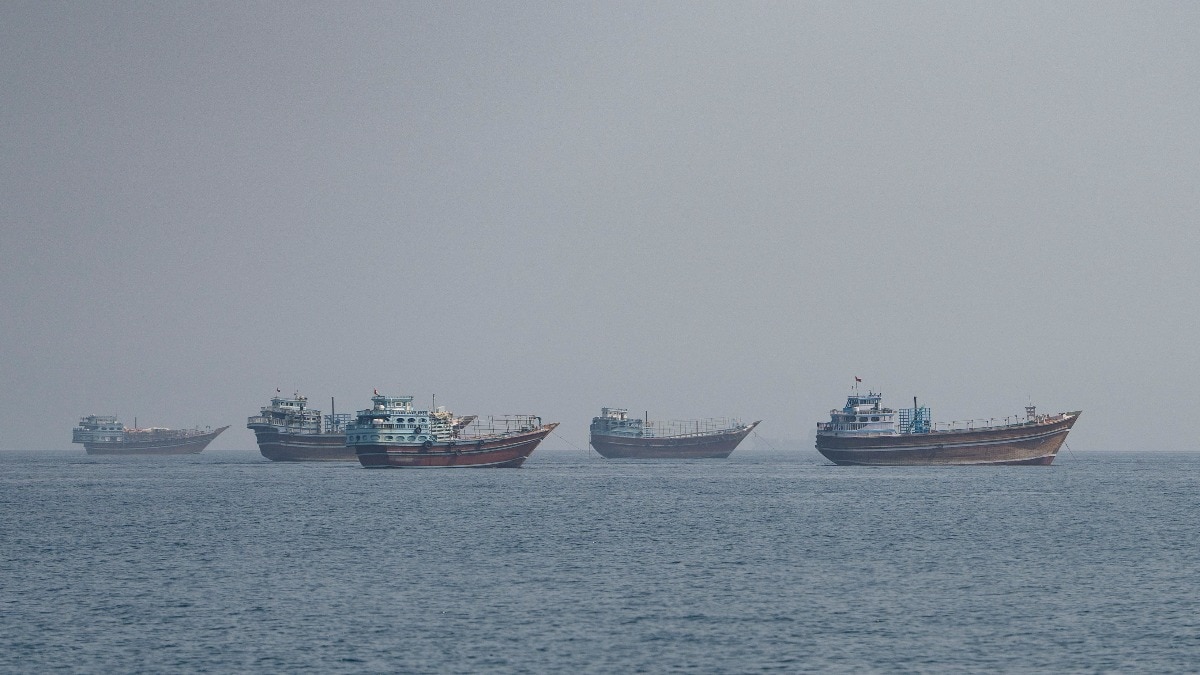
Iran has placed 45 tankers on a blacklist for breaching Strait of Hormuz transit rules, warning of fines, detention and cargo confiscation as tensions rise.
- 45 tankers added to Iran's blacklist
- Potential fines, detention and cargo seizure
- Move follows heightened US‑Iran tensions
Incident Overview
Iran’s newly created Persian Gulf Strait Authority announced on X that 45 vessels violating its Strait of Hormuz transit regulations have been blacklisted. The named ships face possible fines, detention and confiscation of cargoes.
Ships on the List
The list comprises very large crude carriers, LNG and LPG tankers, and clean product vessels. Owners include the United Arab Emirates’ ADNOC Logistics & Shipping, its subsidiary Navig8 Tankers, and Saudi Arabia’s national carrier Bahri.
Historical Background
The Hormuz Strait moves roughly 20% of the world’s daily crude oil and LNG. Since the 2025 escalation of US‑Iran hostilities, Tehran has repeatedly demanded prior clearance for transits and has imposed penalties for non‑compliance.
U.S. Response
The United States warned of “the toughest sanctions in history” while the US Navy reported a 7‑day average of over 8 million barrels per day moving through the strait, underscoring that oil flow remains intact.
Why This Matters
BozokMedia analysis shows that this blacklist could raise global shipping costs, create volatility in oil prices, and trigger a new wave of energy‑security concerns across the Middle East.
"Such a hardline move in Hormuz will immediately reverberate through global energy markets," said Dr. Rajiv Gupta, expert on international maritime security.
Frequently Asked Questions
Q1: Can blacklisted vessels be removed from the list?
A: Owners must submit a detailed request with explanations to Iran’s maritime authorities for possible reinstatement.
Q2: What impact could this have on global oil markets?
A: Potential supply constraints may cause a short‑term spike in oil prices.
