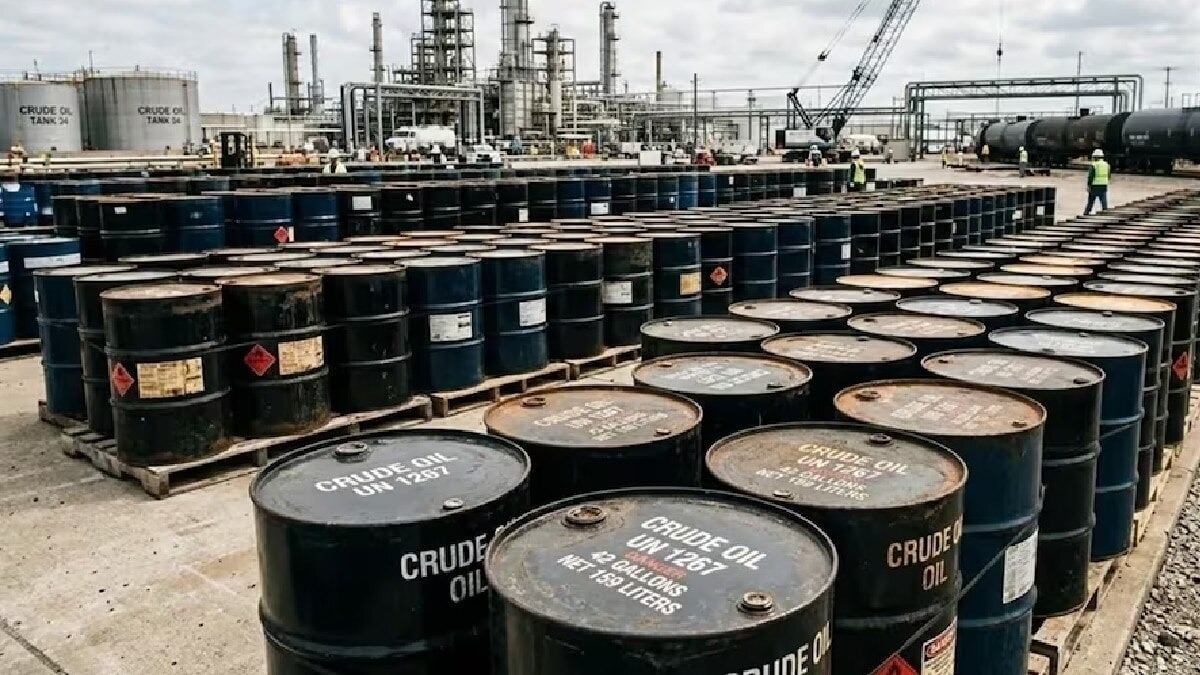
Iran has uncovered a new natural gas field in Fars province containing 7.5 trillion cubic feet of gas, with about 5.7 trillion cubic feet considered recoverable. The discovery arrives as West Asian tensions deepen the country's energy crisis, offering a potential boost to domestic security and revenues.
- 7.5 trillion cubic feet of gas discovered in southern Iran
- Approximately 5.7 trillion cubic feet deemed commercially recoverable
- Potential to strengthen domestic energy security and generate new revenue
Discovery Details
Iranian Oil Minister Mohsen Paknejad announced that the newly identified field in the southern province of Fars holds an estimated 7.5 trillion cubic feet (Tcf) of natural gas, of which roughly 5.7 Tcf is recoverable under current economic and technical conditions. The gas is described as "sweet gas," meaning it contains low levels of hydrogen sulfide, which simplifies processing.
Context of West Asian Tensions
The find comes six months after the Iran‑U.S./Israel conflict that began on February 28, 2026, which has disrupted Iran’s fuel production infrastructure and strained global oil‑and‑gas supplies. The ongoing tension has amplified an internal energy crisis, making the new reserve especially timely.
Strategic Significance
For Iran, the recoverable 5.7 Tcf equates to about 15 years of output from one phase of the giant South Pars field. If brought to market, the gas could underpin industrial activity, reduce reliance on imports, and add a valuable revenue stream.
Global Market Implications
While the discovery will not instantly reshape world energy markets, its long‑term contribution could affect regional supply dynamics, especially as Europe and Asia compete for pipeline and LNG deliveries. A steady increase in Iranian gas exports would enhance Tehran’s negotiating leverage.
Development Challenges
Iran’s energy sector has long faced sanctions limiting foreign investment and access to advanced extraction technology. The speed and cost at which the field can be developed will determine whether the 5.7 Tcf translates into real economic benefit.
Historical Background
Iran already ranks second globally in proven natural‑gas reserves after Russia. The South Pars complex has been the cornerstone of its gas strategy; the new discovery adds a significant, high‑quality supplement to that portfolio.
Why This Matters
BozokMedia analysis shows that the discovery could shift Iran’s bargaining power in regional gas negotiations, offering Tehran a strategic lever amid ongoing sanctions and geopolitical tensions.
"If Iran can rapidly develop this field, it could dramatically cut its import dependence and bolster fiscal stability," says energy analyst Dr. Ali Raza.
Frequently Asked Questions
Q1: Will the gas be available for export immediately?
A: Not right away; export will depend on infrastructure development and the easing of international sanctions.
Q2: How could this discovery affect Iran’s economic growth?
A: If the gas is efficiently extracted and sold, it could add a substantial revenue stream and lessen the economy’s exposure to energy‑price volatility.