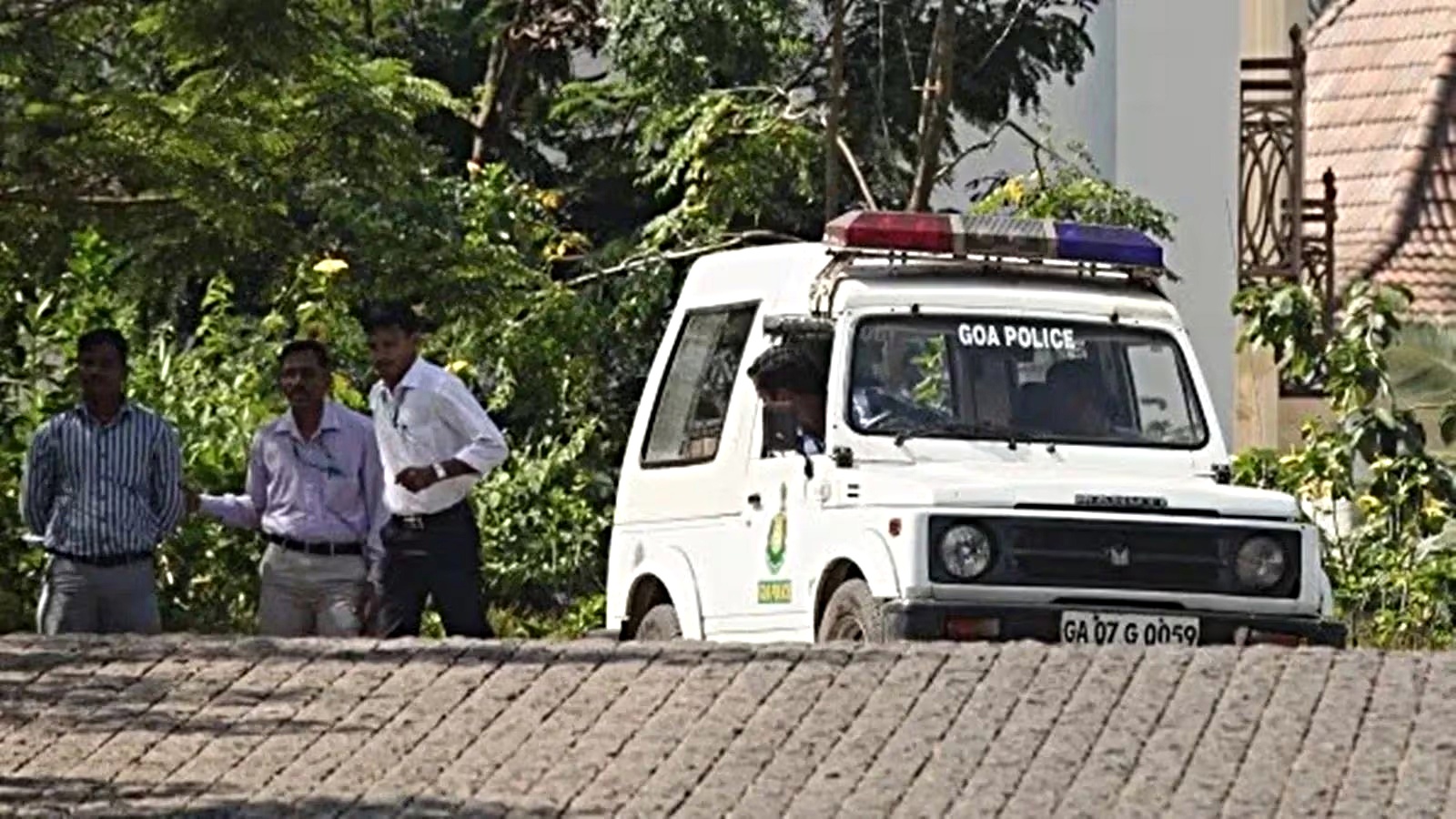
Police in Mandya uncovered more than ₹30 lakh hidden inside the home of a woman who survives by begging. The find raises serious questions about illegal earnings, poverty, and law‑enforcement oversight.
- Over ₹30 lakh in cash found in a beggar’s residence in Mandya
- Police have launched a full investigation into the source of the money
- The case sparks debate on financial crimes linked to vulnerable populations
In the southern Indian district of Mandya, Karnataka, law enforcement officials discovered more than ₹30 lakh in cash concealed within the home of a woman who makes a living by begging. The cash was reportedly hidden in multiple boxes, prompting immediate forensic and financial scrutiny.
Initial statements from the police indicate that the origin of the money remains unclear. Authorities suspect connections to illegal activities such as gambling, counterfeit operations, or undisclosed earnings, but no concrete evidence has yet emerged.
The incident shines a light on the socioeconomic conditions of beggars in Mandya, many of whom face chronic poverty, limited education, and social stigma. Such circumstances often force them into informal economies, making them vulnerable to exploitation by criminal networks.
Similar cases have surfaced across India; for instance, a 2022 discovery in Uttar Pradesh uncovered ₹20 lakh in cash at a beggar’s dwelling, leading to a wider probe of organized crime links. These patterns suggest a need for systematic monitoring of cash hoarding among the most disadvantaged.
Historical Background
Begging has deep historical roots in India, dating back to pre‑colonial times when itinerant laborers and caste‑based marginalization created a class of street dependents. Post‑independence welfare schemes have attempted to address the issue, yet implementation gaps persist, leaving millions without reliable income or social protection.
Why This Matters
BozokMedia analysis shows that the discovery of such a large cash amount in the home of a beggar highlights systemic gaps in social welfare and law enforcement. It underscores the need for stronger monitoring of illicit financial flows that may exploit vulnerable populations.
"Finding massive cash reserves with a beggar often signals hidden illegal financial activity, demanding swift investigative action," says financial crime expert Dr. Anjali Singh.
Frequently Asked Questions
Q1: Has the source of the cash been identified?
Not yet; investigators are examining bank records, transaction trails, and local informants.
Q2: Have any arrests been made?
No arrests have been reported so far, but police say they will act once evidence is solidified.