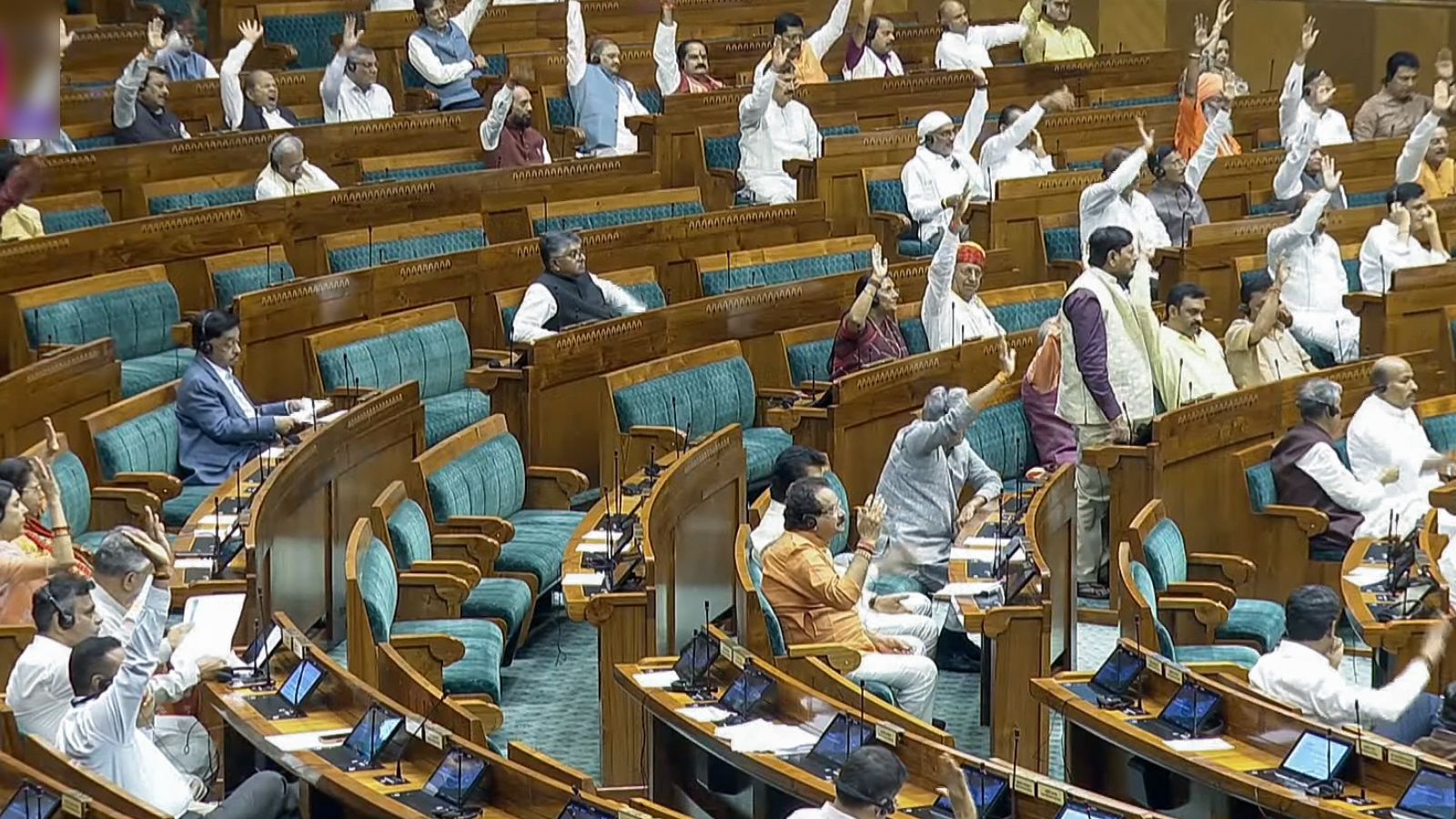
In his book *Portrait of Parliament*, Hiren Mukherjee warns that India’s parliament is losing its moral compass. The piece examines whether the legislature can still act as the nation’s conscience amid growing executive dominance.
- Parliament’s moral confidence is eroding
- Executive power is increasingly centralized
- Debate, institutional memory, and committee oversight are declining
Introduction
Hiren Mukherjee’s seminal work ‘Portrait of Parliament: Reflections and Recollections (1952–77)’ offers a stark diagnosis of the Indian legislature’s present malaise. The veteran parliamentarian asks whether Parliament can still serve as the nation’s moral conscience.
Historical Background
Constituted in 1950, India’s Parliament was envisioned as a sovereign arena where the executive governed and the legislature held it accountable. Early decades saw a robust balance of power, but over time the executive’s grip tightened.
Key Symptoms Identified
Mukherjee isolates four symptoms: concentration of power in the executive, the decline of substantive debate, erosion of institutional memory, and the weakening of committee scrutiny. Together they have turned Parliament into a rubber‑stamp body rather than a deliberative forum.
Why This Matters
BozokMedia analysis shows that the erosion of parliamentary deliberation directly impacts policy quality, citizen trust, and India’s standing in global democratic indices. When Parliament’s watchdog role weakens, the risk of power abuse escalates.
“Parliament must be more than a law‑making machine; it should be the nation’s ethical audit,” says political scientist Dr. Anshu Verma.
Contemporary Implications
Modern parliamentary discourse is increasingly crafted for social‑media virality rather than nuanced deliberation. This shift dilutes public understanding and undermines the depth of democratic dialogue.
Path Forward
Following Mukherjee’s warning, renewal will require a quiet return to fundamental beliefs: that Parliament is not an obstacle to governance but its most democratic expression. Strengthening committees, extending debate time, and preserving procedural conventions are essential steps.
Frequently Asked Questions
Question 1: Is Parliament today merely a tool of the executive?
Answer: In many instances, yes—most bills are pre‑shaped by the government, and Parliament’s role is largely ceremonial approval.
Question 2: What measures can revive parliamentary vigor?
Answer: Enhancing committee powers, mandating longer debates, and ensuring transparent records to protect institutional memory are critical reforms.