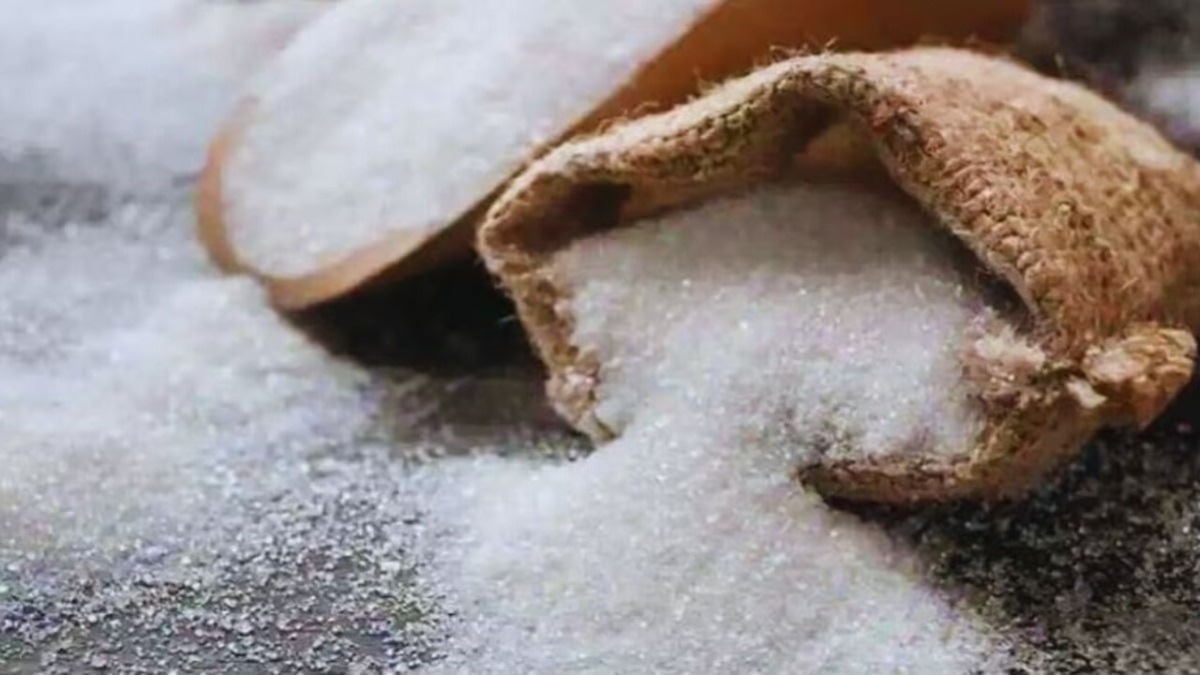
India’s retail sugar price jumped from Rs 50 to Rs 80 per kilogram within a month, sparking panic among consumers and farmers. The government cites lower domestic output, festive demand and weather damage, while traders and farmer leaders allege hoarding and profit‑making.
- Retail sugar price rose 60% in just one month.
- Government attributes the spike to lower output, weather loss, and festive demand.
- Farmers and traders both accuse market manipulation and hoarding.
Rapid Price Jump
On 20 July 2026 the average retail price of sugar was Rs 48.18 per kilogram; by 20 August 2026 it had climbed to Rs 55.70. In several cities the price now ranges between Rs 70‑80 per kilogram, leaving consumers reeling.
Government’s Explanation
The Ministry of Consumer Affairs says the surge stems from lower-than‑expected domestic production, a pre‑festive demand surge, crop damage due to erratic weather, and a dip in global supply. Officials also warn of speculation and possible hoarding by certain industry segments.
Farmers’ Accusations
Farmer leader Raju Shetty highlighted that sugar prices were stable at around Rs 3,500‑3,600 per quintal until June, after which tender rates jumped to about Rs 6,500, creating a windfall for traders. He estimates that traders could earn roughly Rs 2,200 per tonne, translating into a total loss of Rs 22,000‑23,000 crore for the economy.
Sugar Commissioner’s Remarks
Mr. Sanjay Kolte, Sugar Commissioner of Maharashtra, noted that adverse weather reduced this year’s output compared with the previous year. He also pointed out that sugarcane diverted to ethanol production rose from 15 lakh metric tonnes last year to 18 lakh metric tonnes this year, but stressed that hoarding must be prevented and that stored sugar should hit the market within seven days.
Denial of Ethanol as Primary Cause
The central government refuted claims that ethanol demand is the main driver. The share of sugar sent to ethanol fell from about 12% in 2022‑23 to roughly 9% in 2025‑26, while three‑quarters of ethanol now comes from corn and other grains.
Why This Matters
BozokMedia analysis shows that the sudden price surge could ripple through the entire food‑processing sector, raise inflationary pressures during the festive season, and strain the cash flow of small‑scale sugarcane farmers who depend on timely payments.
"If authorities fail to curb the price spike, inflation will climb and rural incomes will suffer," said financial analyst Dr. Anita Mehta.
Frequently Asked Questions
Q1: Why did sugar prices rise so sharply?
A: Lower production, weather‑related crop loss, festive demand and alleged hoarding pushed prices up.
Q2: Is ethanol production the main reason for the price hike?
A: No. Government data shows ethanol’s share of sugar usage has actually declined, and most ethanol now comes from corn.