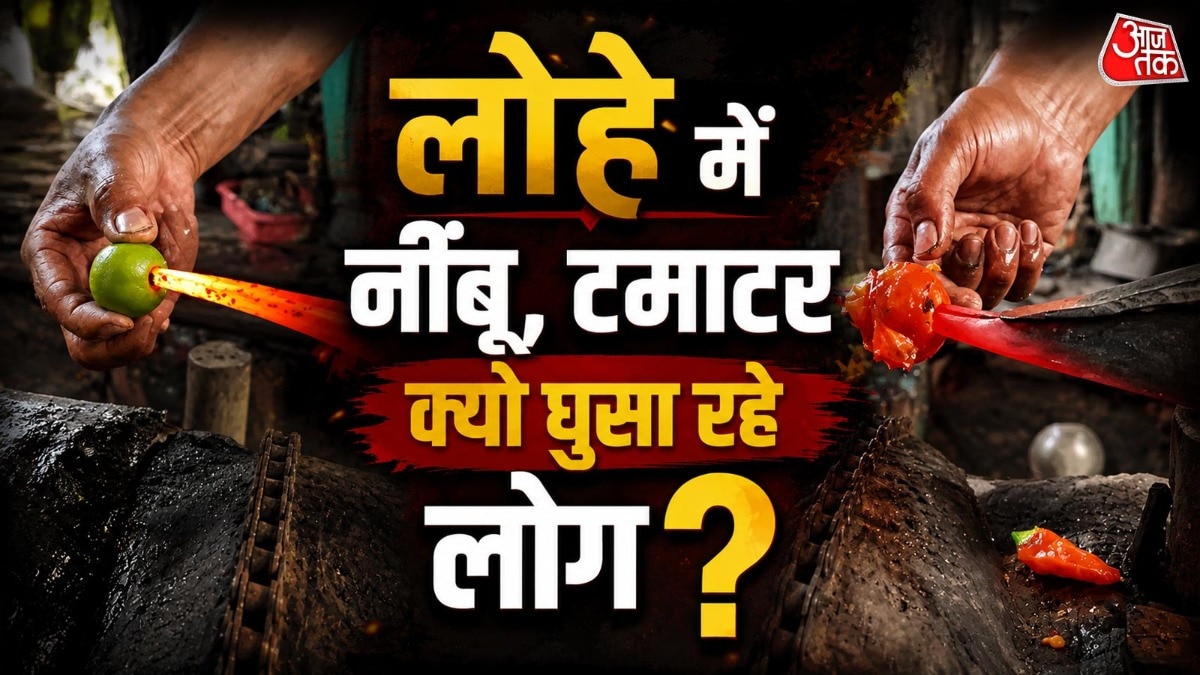
When shaping iron tools, many blacksmiths dip the scorching metal into tomatoes, lemon or even onion. This age‑old quenching method cools the metal gradually, preventing cracks caused by thermal shock. Discover the scientific logic behind the practice.
- Tomatoes and lemon contain high water content that cools metal gently
- Direct immersion in plain water can cause thermal shock and cracks
- Natural alternatives like mud or wet soil provide similar controlled cooling
Blacksmiths have relied on a variety of liquids for quenching for centuries. While large factories now use engineered water‑based cooling systems, small workshops still favor readily available items such as tomatoes, lemons, onions, or even mud.
Quenching is the rapid cooling of heated metal to increase hardness and alter its micro‑structure. If the cooling is too abrupt, internal stresses can create fractures or warping.
Both tomatoes and lemons are roughly 90‑95% water and contain natural sugars and acids. When a hot iron piece contacts these pulps, the water vaporizes more slowly than in plain water, reducing thermal shock. The acidic environment also forms a thin oxide layer that adds a protective barrier.
In practice, a blacksmith will slice a tomato or lemon, plunge the glowing metal into the pulp, and watch steam hiss away. This not only cools the piece but also cleans the surface of scale or oxidation, improving the final finish.
Why This Matters
BozokMedia analysis shows that cost‑effective quenching solutions for small‑scale producers not only lower production expenses but also lessen environmental impact. Understanding these traditional methods can inspire greener innovations in modern metallurgy.
"Using natural pulps like tomato or lemon is a brilliant low‑tech way to control thermal shock during quenching," says Dr. Maya Patel, Materials Science expert.
Frequently Asked Questions
- Can plain water replace tomatoes or lemon? Plain water cools too quickly, increasing the risk of cracks; dense pulps provide a gentler temperature drop.
- Is this method suitable for all metals? It works best with iron and steel; lighter alloys like aluminum require different quenching media.


