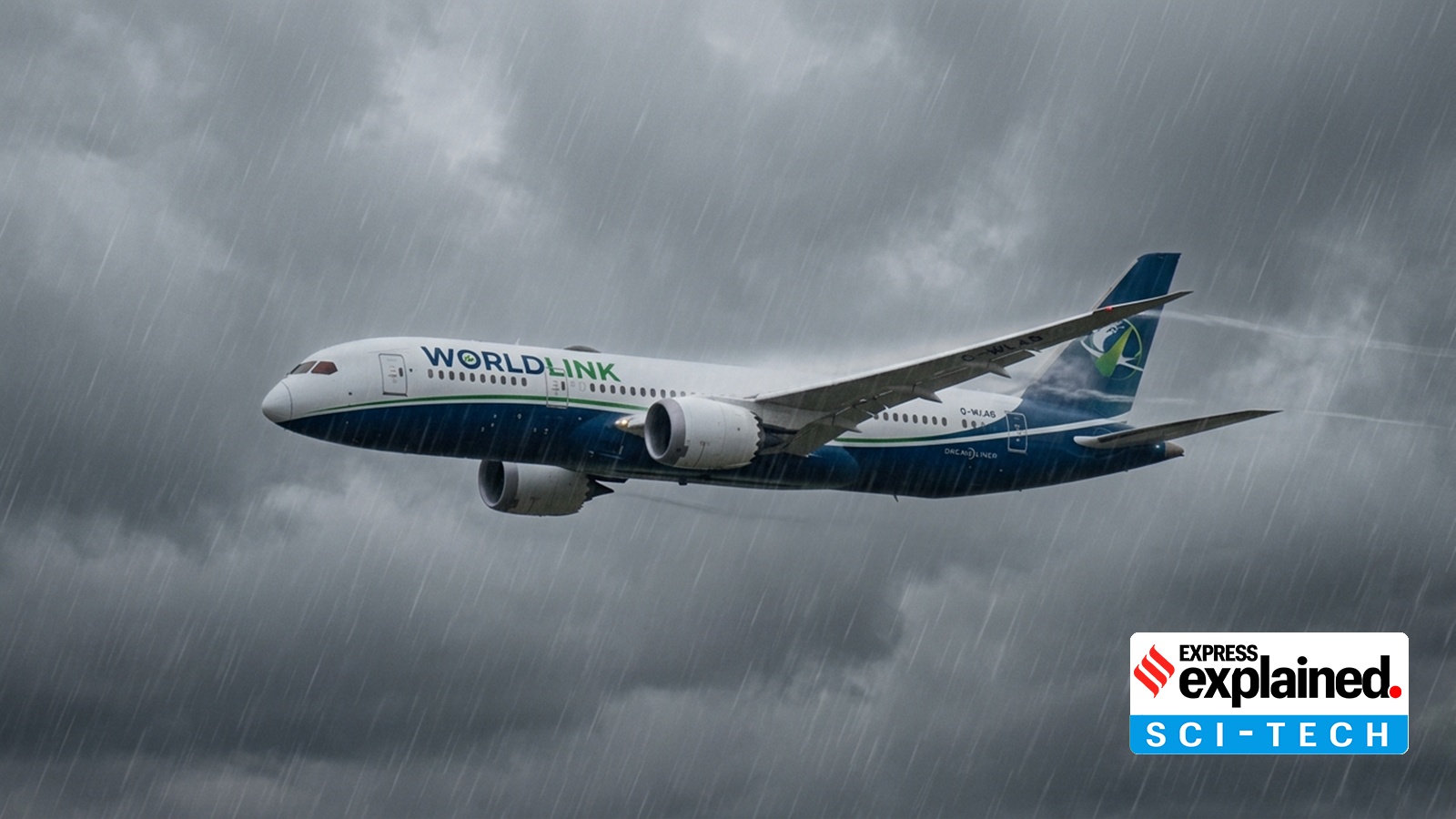
Heavy rain and thunderstorms forced the cancellation of 26 flights in Delhi, highlighting that visibility isn’t the only issue. Runway conditions, hydro‑hydroplaning risk, and strict FAA guidelines drive these operational decisions.
- Wet runways reduce braking efficiency
- Runway Visual Range (RVR) thresholds dictate take‑off and landing
- Thunderstorms bring wind shear, lightning and turbulence risks
Heavy rain and thunderstorms disrupted flight operations in Delhi on Monday, leading to the cancellation of 26 flights and the diversion of 15 others. Modern commercial aircraft are engineered to fly in adverse weather, yet operational safety standards still force airlines to ground flights under certain conditions.
Rain does lower a pilot’s external visibility, but that is not the primary concern. Pilots are trained for instrument flight, relying on cockpit instruments rather than outside sight. The real challenge appears during take‑off and landing phases.
Intense showers generate spray on the runway, reducing the distance pilots can see runway lights, markings, and potential obstacles. Runway Visual Range (RVR) – the distance a pilot can see runway cues – is a critical metric; if it falls below prescribed minima, flights are delayed or cancelled.
Why This Matters
BozokMedia analysis shows that delayed or cancelled flights during monsoon season cost airlines millions and erode passenger confidence, especially in a hub like Delhi where traffic density is high.
"Assessing braking performance on wet runways is essential for aviation safety," said an FAA spokesperson.
Water reduces tyre friction, increasing the risk of hydro‑planing where the aircraft slides on a thin water film, compromising braking and directional control. The U.S. Federal Aviation Administration (FAA) advises pilots to monitor runway‑condition reports closely, as braking conditions can deteriorate rapidly.
Rain often arrives with thunderstorms, strong winds, hail, and lightning. These phenomena can produce sudden wind shear, downbursts, and turbulence, making both take‑off and landing hazardous.
Frequently Asked Questions
Q1: Can all airports operate CAT III landings during heavy rain?
A: No, only airports equipped with advanced Instrument Landing Systems (ILS) and the necessary runway lighting are certified for CAT III operations.
Q2: What compensation are passengers entitled to when flights are cancelled due to rain?
A: Under Indian aviation consumer rights, airlines must offer refunds, re‑booking, or alternative transport for affected passengers.