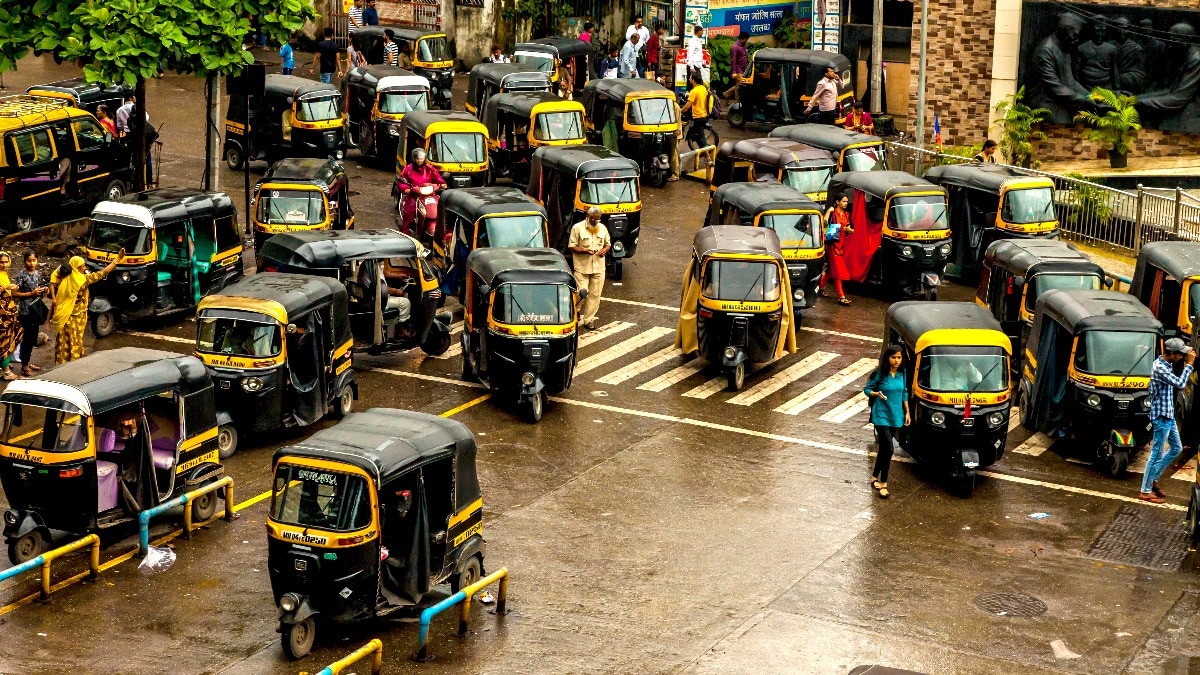
Auto‑rickshaw and taxi drivers in Mumbai have launched a three‑day strike against a new Marathi language requirement, citing out‑of‑syllabus questions from RTO officials and creating a severe shortage of rides.
- Marathi language test leads to acute auto‑taxi shortage
- Drivers allege RTO officials ask questions beyond training
- Three‑day strike disrupts commuter flow during monsoon
Background
For decades, Mumbai’s iconic black‑yellow taxis and auto‑rickshaws have been the city’s lifeline. Since August 21, Regional Transport Office (RTO) officials have begun testing drivers for basic Marathi proficiency, turning a routine ride into a rare commodity.
The New Language Mandate
The Maharashtra government amended the 1989 Motor Vehicles Rules to make working knowledge of Marathi mandatory for all commercial passenger‑vehicle drivers, including app‑based services like Ola and Uber. After a three‑month grace period that ended on August 15, the enforcement drive began on August 20.
Drivers’ Grievances
Kishan Yadav, a Kandivali‑based taxi driver originally from Patna, says training centres taught only basic sentences, while RTO officials are now asking “out‑of‑syllabus” questions. Many senior drivers, with limited formal education, find the added linguistic hurdle overwhelming.
Historical Context
Mumbai hosts over 460,000 auto‑rickshaws and taxis combined, accounting for more than 30% of the city’s public transport. Prior to this rule, RTO checks focused solely on licensing and vehicle fitness; language testing was never part of the protocol.
Impact of the Strike
Commuters reported waiting 40‑50 minutes for an auto or cab during the first day of the strike. In monsoon season, such delays translate into lost productivity and heightened frustration for a city that relies on rapid, affordable transit.
Why This Matters
BozokMedia analysis shows that the language policy not only challenges workers’ rights but also threatens the stability of Mumbai’s broader transport ecosystem, potentially disrupting millions of daily journeys.
"Any language test must align with the training curriculum; otherwise it becomes a barrier to livelihood," says transport expert Dr. Rina Shah.
Frequently Asked Questions
Q1: Why was the Marathi language requirement introduced?
A: The state aims to promote the local language and improve communication between drivers and passengers.
Q2: How does the strike affect commuters?
A: With fewer autos and taxis on the road, wait times increase dramatically, especially during peak hours and the monsoon.