The U.S. Treasury has placed sanctions on four India‑based companies and three Indian nationals for allegedly facilitating Iranian oil and petrochemical shipments worth $119 million. This move is part of Washington’s broader strategy to sever Iran’s global financial links.
- Four Indian companies sanctioned for importing roughly $119 million of Iranian petroleum products.
- Three Indian nationals added to the sanctions list under Operation Economic Outcast.
- The action intensifies the U.S. campaign to choke Iran’s revenue streams worldwide.
Details of the New Sanctions
The Treasury identified Sadashiva Overseas Limited for importing about $69 million worth of Iranian‑origin petroleum between February 2024 and June 2025. PP Softtech Private Limited and Prakrutees Infra Impex India Private Limited were each cited for roughly $25 million of similar imports, bringing the total to $119 million across the three firms.
Customs Broker Accused
The fourth entity, Portease Partners LLP, a customs brokerage firm, was sanctioned for allegedly facilitating multiple shipments of Iranian petrochemical products into India.
Individuals Also Targeted
Three Indian nationals were named: Prashant Garg, director of PP Softtech, along with Indrismiya Asharafmiya Shekh and Harish Ramchandra Rangi, partners at Portease Partners.
U.S. Statement and Strategy
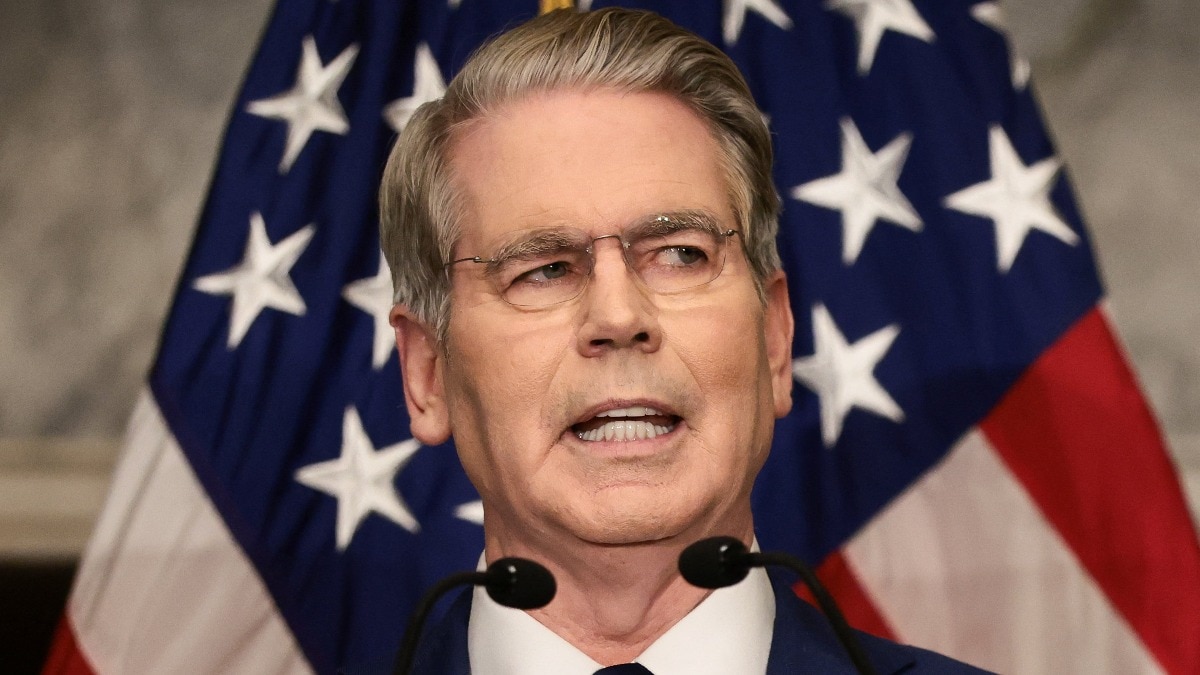
Treasury Secretary Scott Bessent called the measures an “economic D‑Day,” saying they will “tighten the noose” around the Iranian government. Washington has warned that any economic engagement with Iran could trigger penalties.
Why This Matters
BozokMedia analysis shows that these sanctions signal a shift from military confrontation to financial warfare, aiming to choke Tehran’s revenue streams without direct combat, thereby influencing global oil prices and regional geopolitics.
“Targeting Indian intermediaries underscores Washington’s intent to isolate Iran’s oil trade at every possible node.”
Iran’s Reaction
Tehran dismissed the sanctions as a breach of international law and the UN charter. Iran’s Foreign Ministry called them “threats to sovereignty,” while Economy Minister Ali Madanizadeh said the country is “fully prepared” with a two‑year counter‑plan.
Frequently Asked Questions
Q1: Will these sanctions affect normal trade between India and the U.S.?
A1: Only the listed entities are directly impacted; broader bilateral trade remains largely unaffected.
Q2: How might the sanctions influence global oil markets?
A2: Analysts expect a modest tightening of supply, but oil prices will continue to be driven by multiple geopolitical factors.


