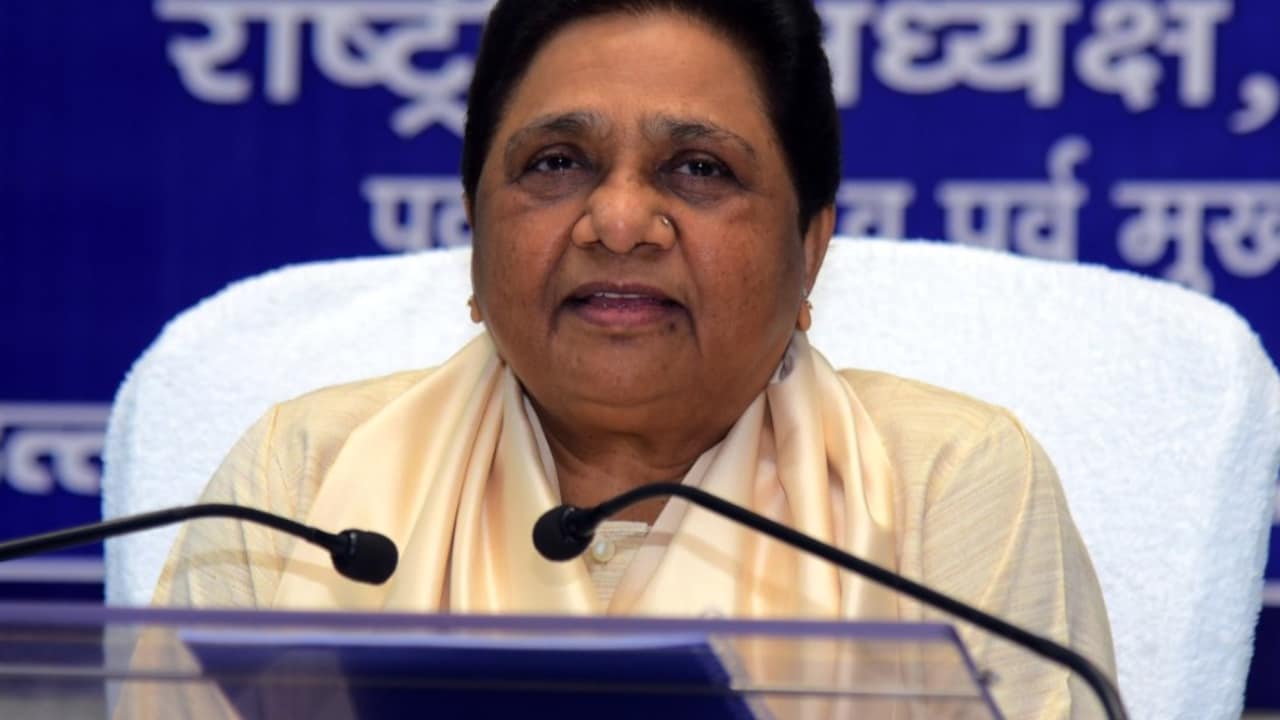
Veteran leader Mayawati announced that the Bahujan Samaj Party (BSP) will contest the Punjab assembly elections on its own strength, refusing any alliance. The decision arrives alongside upcoming polls in Uttar Pradesh and Uttarakhand.
- BSP will contest Punjab elections without any alliance
- Mayawati emphasizes honest, hard‑working candidates
- Decision coincides with upcoming Uttar Pradesh and Uttarakhand polls
Senior politician Mayawati issued a clear statement today that the Bahujan Samaj Party (BSP) will fight the Punjab legislative assembly election on its own, rejecting any form of coalition or compromise. The announcement comes ahead of the scheduled elections in Uttar Pradesh and Uttarakhand, where the BSP had previously entered into alliances.
In the release, Mayawati stressed that the party will field "hard‑working, honest, and people‑focused" candidates. She added that this approach will reinforce the BSP’s commitment to social justice and its core voter base.
Historically, the BSP has formed alliances with both national and regional parties, especially in Uttar Pradesh where it once held power. In Punjab, however, its footprint has been modest, making the decision to go solo a strategically significant shift.
Punjab’s political landscape is dominated by parties rooted in Sikh community interests. The BSP’s move could highlight broader social‑caste dynamics and bring Dalit and marginalized issues to the forefront of the state’s electoral discourse.
The northern Indian election calendar is heating up, with Uttar Pradesh, Uttarakhand, and now Punjab all heading toward high‑stakes contests. A solo BSP campaign adds another variable that could reshape national coalition equations.
Historical Background
Founded in 1984 by Mayawati, the BSP’s mission has been to empower Dalits and other socially disadvantaged groups. The party surged in Uttar Pradesh during the 1990s, even forming government several times. In Punjab, its presence has remained limited, largely due to low vote share and the absence of strong local alliances.
Why This Matters
BozokMedia analysis shows that contesting alone could strengthen the BSP’s independent identity, yet it also carries the risk of vote dilution, potentially weakening its influence at the national level.
"BSP’s solo foray in Punjab marks a bold step for social justice, but it will require robust grassroots organization to convert intent into seats," says political analyst Dr. Anita Singh.
Frequently Asked Questions
Q1: Has the BSP ever formed alliances in Punjab before?
A1: Yes, the party entered into limited alliances in the 2002 and 2007 state elections, but the outcomes were modest.
Q2: How might this decision affect the upcoming elections in Uttar Pradesh and Uttarakhand?
A2: The move could prompt the BSP to reassess its coalition strategy in those states, potentially altering the overall electoral calculus.