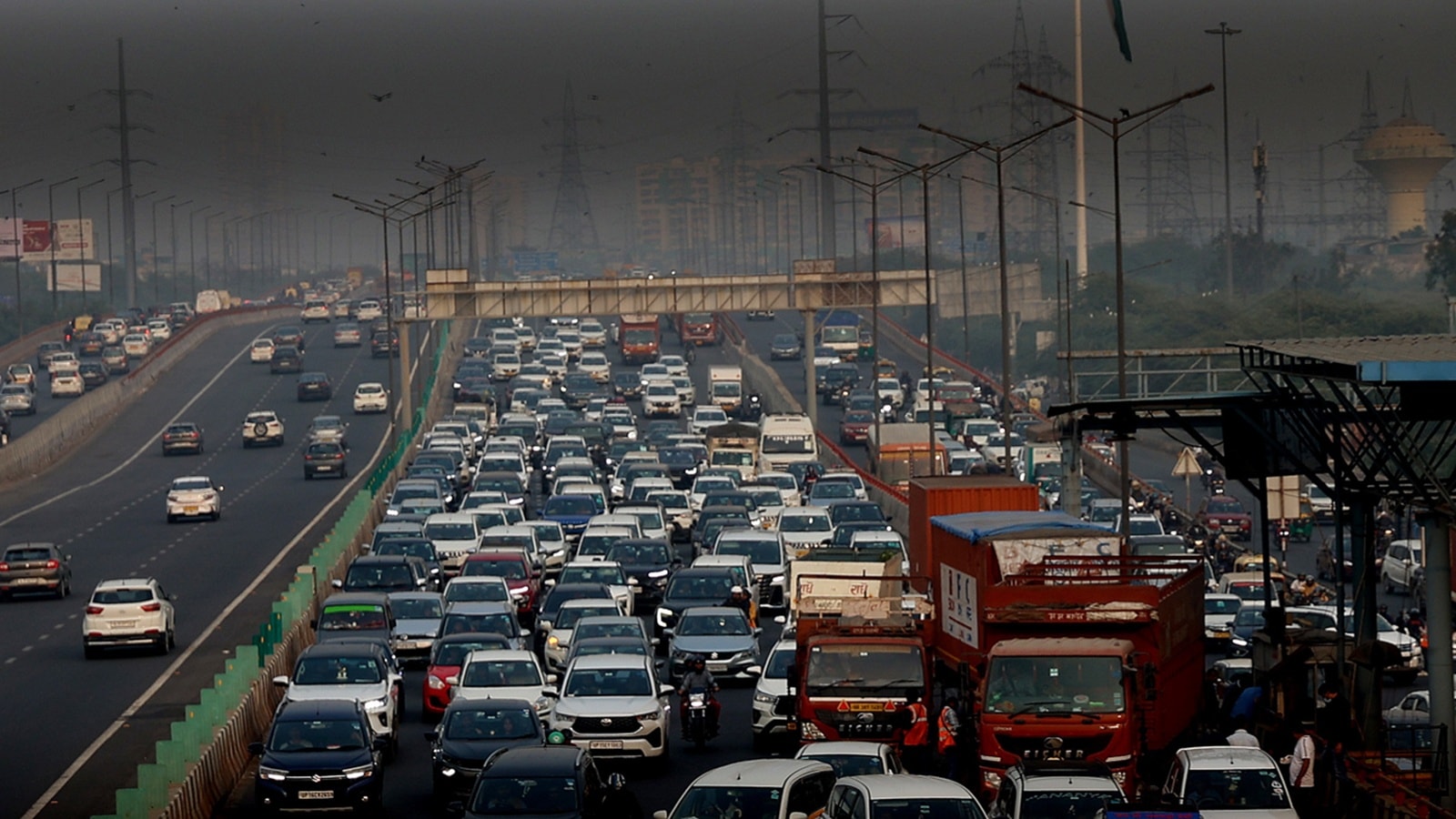
Bengaluru traffic police have prohibited two‑wheelers from the expressway leading to the city’s international airport, while also tightening restrictions on goods vehicles across the BGS, Peenya, and double‑decker flyovers. The move aims to ease congestion and improve safety on Bengaluru’s busiest arteries.
- Two‑wheelers banned on Bengaluru International Airport road
- Strict goods vehicle restrictions on BGS, Peenya, and double‑decker flyovers
- Electronic City flyover to see two‑wheeler ban from September 11
As one of India’s fastest‑growing tech hubs, Bengaluru faces chronic traffic congestion and rising road accidents. In a bid to curb these issues, the Bengaluru Traffic Police announced that starting Friday, two‑wheelers will be prohibited from the expressway leading to the International Airport. The ban applies from 7:00 am to 7:00 pm and from 10:00 pm to 5:00 am.
Simultaneously, the BGS (Bengaluru Grand Circuit) flyover will prohibit all goods vehicles, including three‑wheelers, during peak morning and evening hours, with heavy goods vehicles barred all day. The Peenya flyover will see all auto‑rickshaws banned all day, and goods vehicles restricted during peak hours. The double‑decker flyover between Silk Board and Ragigudda will prohibit heavy goods vehicles throughout the day.
The Electronic City flyover will implement the two‑wheeler ban from September 11, aiming to improve traffic flow and safety in that corridor. The traffic police emphasized that the initiative is driven by public safety and smooth traffic movement, and will be monitored via CCTV.
Joint Commissioner of Police (Traffic) Karthik Reddy explained that the decision considered road safety, design, width of the flyover, severity of accidents, and traffic congestion caused by vehicle breakdowns. He added that easing congestion at entry and exit points, managing emergencies, ensuring pedestrian and rider safety, and a comprehensive road safety approach were also key factors.
While the restrictions will affect daily commuters—especially those traveling to and from the airport—the long‑term benefits include reduced congestion, fewer accidents, and enhanced overall road safety.
Traffic management challenges are mounting in Indian megacities. Targeted restrictions, if properly enforced and monitored, could serve as a model for other cities seeking to balance mobility with safety.
Why This Matters
BozokMedia analysis shows that Bengaluru’s traffic congestion has been a persistent problem, contributing to significant economic losses and health hazards. By restricting two‑wheelers and heavy goods vehicles on key corridors, the city can reduce bottlenecks, improve air quality, and enhance overall road safety.
“These targeted restrictions are a pragmatic step toward safer roads, but sustained success will depend on continuous monitoring and public compliance,” says Dr. Anjali Rao, urban mobility specialist.
Frequently Asked Questions
Q1: Are two‑wheelers completely banned from the airport road?
A1: Yes, from September 4, two‑wheelers are prohibited between 7:00 am–7:00 pm and 10:00 pm–5:00 am.
Q2: Will these restrictions be enforced only by traffic police?
A2: Yes, all restrictions will be monitored via CCTV, with penalties for violations.