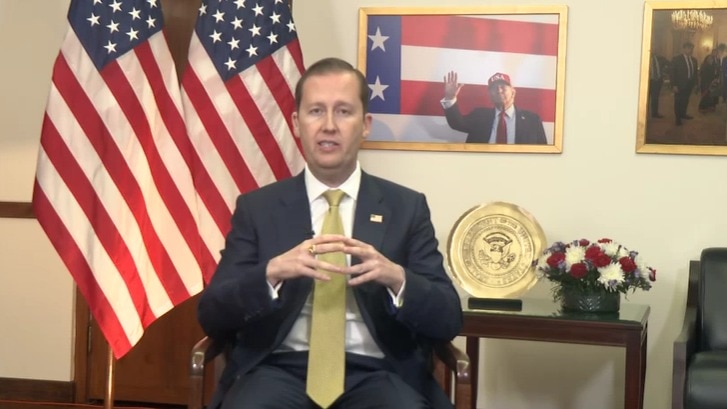
Indian defense official Gor highlighted the uneven opportunities in India‑US weapons co‑manufacturing, emphasizing how trust and strategic priorities shape the process. The statement brings a fresh perspective on India's role in the global defense supply chain.
- Co‑manufacturing rights are limited to select partners.
- Trust in the India‑US alliance influences strategic decisions.
- Transparency and collaboration are essential in defense technology.
During recent India‑US defense talks, Minister Gor underscored a crucial point: "Not everyone gets to co‑manufacture our weapons." This statement offers a new lens on India’s position within the global arms supply chain.
Historical Background of Co‑Manufacturing
Since the 1960s, India has relied on international partners to boost its defense capabilities. In recent years, especially with the United States, India has forged deep partnerships in developing advanced tactical and strategic weaponry. However, disparities in this collaboration have become evident.
Why This Matters
BozokMedia analysis shows that the distribution of co‑manufacturing is driven not only by economic interests but also by geopolitical trust. Gor’s remarks reveal the challenges India faces in controlling its defense technology on the global stage.
"Without trust and transparency, the future of the defense industry remains uncertain." – Dr. Ravi Sharma, defense policy expert.
Frequently Asked Questions
- Which partner plays the primary role in India’s co‑manufacturing?
- How can India gain greater autonomy in the future?
This topic highlights the need for a balanced approach between international cooperation and domestic production to enhance India’s defense independence. Gor’s statement marks a pivotal dialogue in this direction.