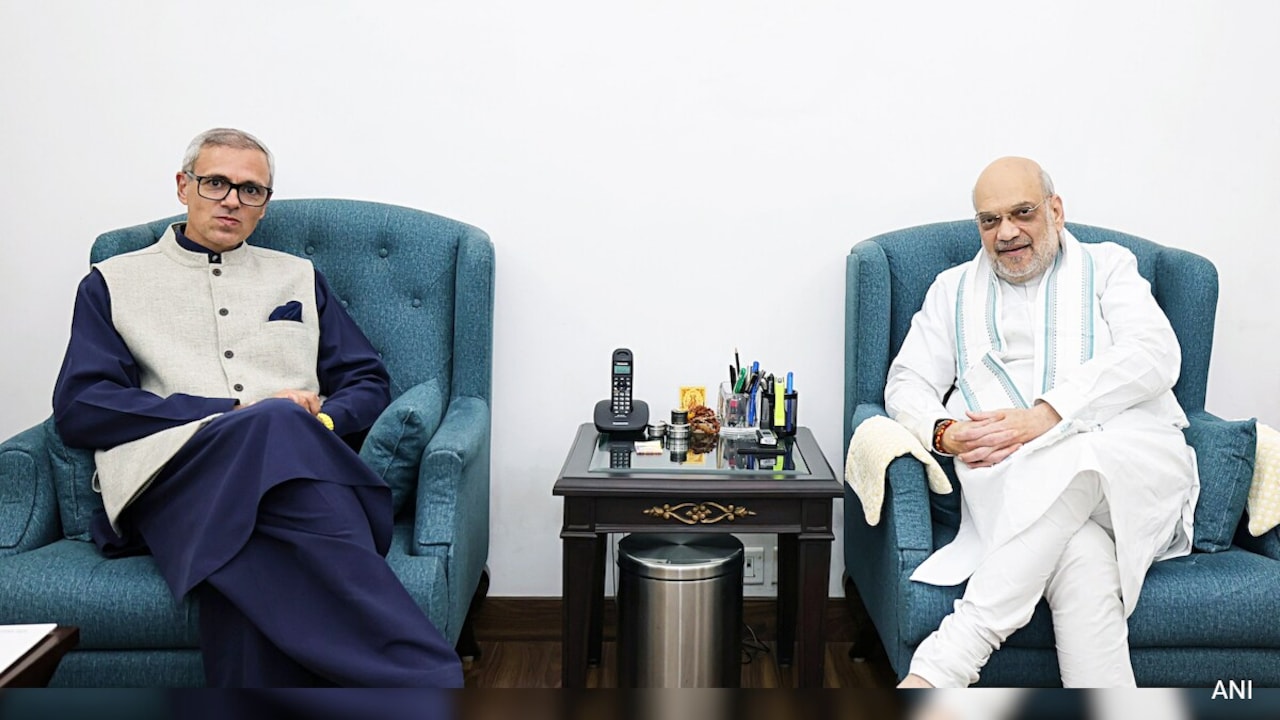
Omar Abdullah and Amit Shah held their first face‑to‑face meeting in New Delhi, focusing on the swift restoration of Jammu and Kashmir's statehood and pressing public‑welfare concerns. The talks follow Abdullah's protest on the opening day of the Monsoon session on July 20.
- Abdullah prioritised early restoration of J&K statehood.
- Shah listened to public‑welfare grievances.
- Potential shift in centre‑state dynamics anticipated.
Context of the Meeting
The meeting came after Omar Abdullah staged a high‑profile protest in New Delhi on July 20, marking the start of Parliament’s Monsoon session. Seven months later, this was the first official interaction between the two senior leaders.
Main Discussion Points
Abdullah urged the immediate reinstatement of Jammu and Kashmir’s statehood, arguing it would restore stability and accelerate development. Amit Shah acknowledged the request, noting that any change must respect constitutional procedures while emphasizing the central government’s willingness to consider adjustments.
Public‑Welfare Issues Raised
The chief minister highlighted deficiencies in health, education, and infrastructure. He asserted that statehood would unlock greater funding and faster project implementation. Shah responded with assurances of coordinated action across central ministries.
Historical Background
In August 2019, the Indian government revoked J&K’s special status and converted it into a Union Territory, sparking widespread political discontent and slowing development. Abdullah’s current push aims to reverse that decision and restore the region’s pre‑2019 constitutional standing.
Why This Matters
BozokMedia analysis shows that a swift restoration of statehood could reshape the political equilibrium in the northern belt, potentially easing long‑standing grievances and attracting investment. It also signals a possible shift in the central government's approach toward disputed territories.
"Restoring statehood not only streamlines administration but also fosters social cohesion," says political science professor Dr. Ali.
Frequently Asked Questions
Question 1: Will the restoration of statehood happen immediately?
Answer: The process is still in its early stages and requires parliamentary approval.
Question 2: What changes can be expected in centre‑state relations after this meeting?
Answer: While the meeting opens dialogue, substantive policy shifts will unfold over multiple steps.

