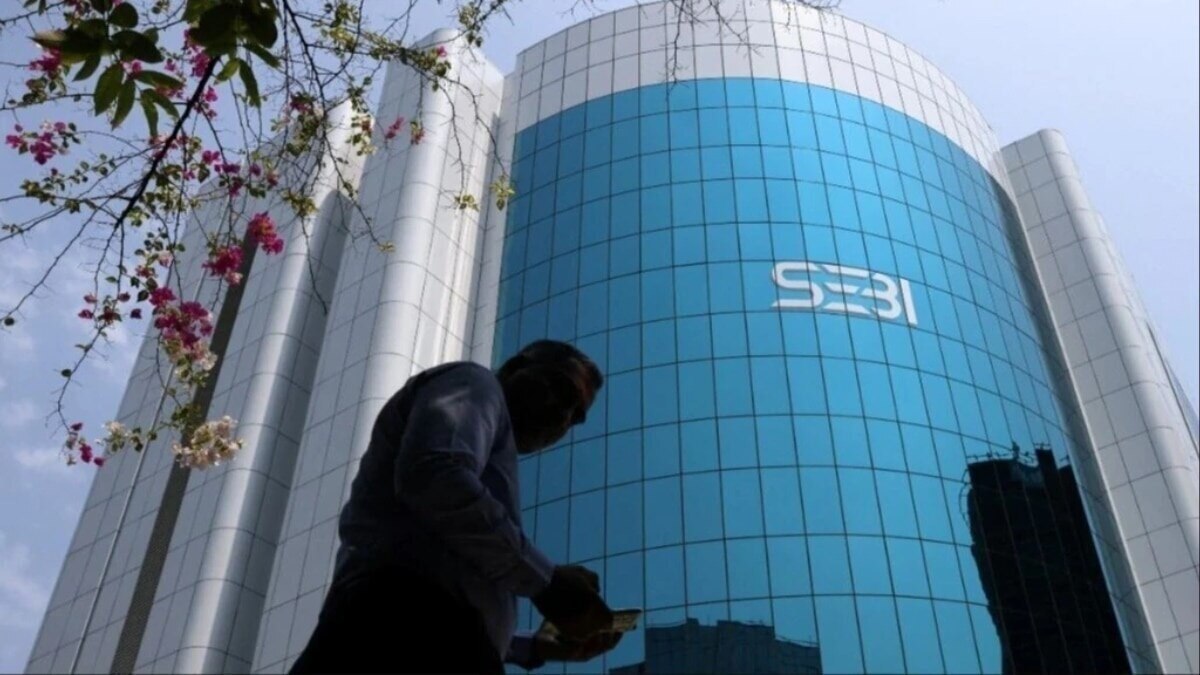
The Securities and Exchange Board of India (SEBI) has launched formal hearings into a complex short‑selling case tied to Hindenburg Research’s 2023 report on the Adani Group. Over $22 million in alleged gains are under scrutiny, involving offshore entities and a Mauritius‑based fund.
- SEBI has initiated hearings into alleged short‑selling trades linked to Hindenburg Research.
- Over $22 million in gains are under scrutiny, involving offshore entities and a Mauritius fund.
- Regulatory action extends to foreign insolvency proceedings to safeguard assets.
On September 4, 2026, the Securities and Exchange Board of India (SEBI) announced it had begun formal hearings into a complex short‑selling case that traces back to Hindenburg Research’s 2023 report on the Adani Group.
Hindenburg Research alleged that the Adani Group had violated securities laws in its 2023 report, prompting a sell‑off in related shares. The Adani Group denied wrongdoing, and SEBI dismissed the allegations of market manipulation.
During the hearings, SEBI revealed that US‑based Kingdon Capital Management had built short positions in Adani‑related stocks before Hindenburg’s report was released. These trades were executed through K India Opportunities Fund Class F, a Mauritius‑based fund linked to Kotak International.
SEBI identified that six entities earned a total of $22.25 million from these short‑selling trades. The proceeds were deposited into the fund, though it remains unclear whether they were distributed or redeemed by Kingdon.
SEBI has requested the Mauritius Supreme Court to prevent any transfer or distribution of the fund’s assets before the regulator can order the recovery of the alleged gains and interest. The court appointed Quantuma’s managing director as receiver to protect the fund’s assets.
Why This Matters
BozokMedia analysis shows that this case underscores SEBI’s growing willingness to confront cross‑border market abuse, sending a clear message to global investors that illicit short‑selling will not be tolerated in India’s capital markets.
"This case underscores SEBI’s growing willingness to confront cross‑border market abuse, sending a clear message to global investors." — Dr. R. Patel, Market Analyst
Frequently Asked Questions
Question 1: Why does SEBI have jurisdiction over this case when all parties are overseas?
Answer: SEBI’s jurisdiction applies when trades are executed on the Indian market, regardless of where the parties are located.
Question 2: Can Kingdon Capital be penalized in this case?
Answer: Yes, if SEBI can prove that the trades were based on non‑public information, regulatory action against Kingdon could follow.