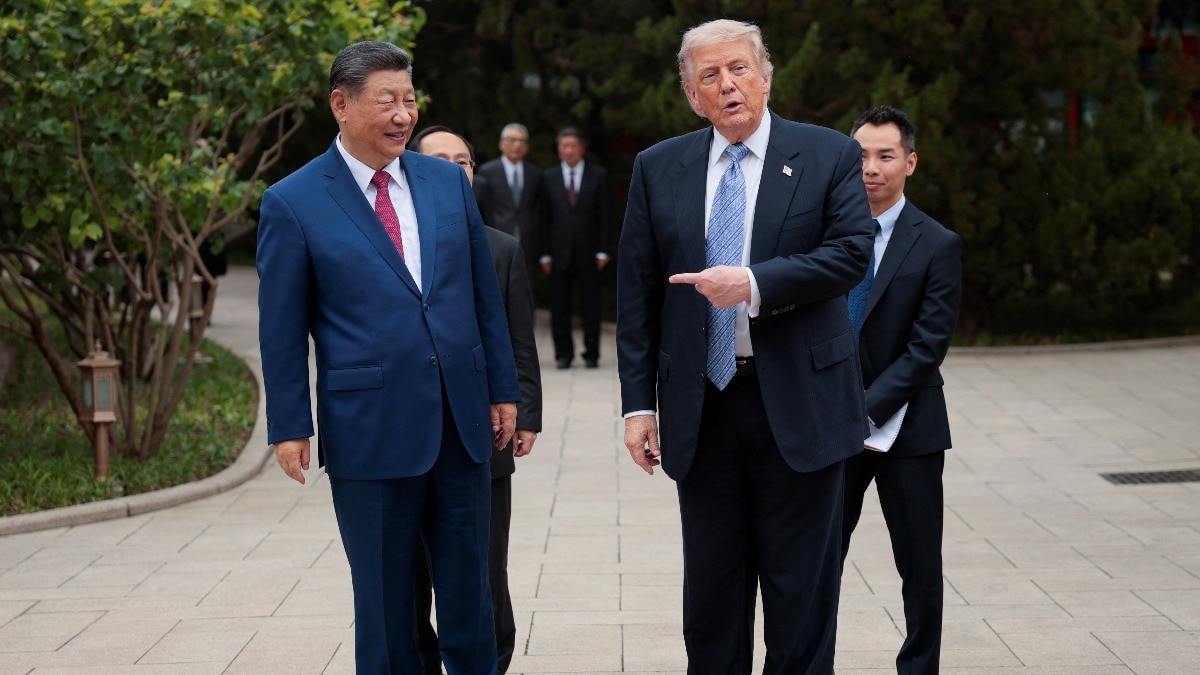
Chinese President Xi Jinping is set to travel to Washington with a large delegation of business executives for his September 24 summit with President Donald Trump, signalling a fresh push to deepen U.S.-China trade ties amid modest expectations for breakthroughs.
- Xi Jinping will lead a sizable Chinese business delegation to the Sep 24 Trump summit
- U.S. scrutiny on Chinese firms remains high, with tariffs and security bans
- Expectations are modest, but rare‑earths and agriculture are on the agenda
Chinese President Xi Jinping is preparing to travel to Washington on September 24 for a summit with U.S. President Donald Trump, bringing along a large delegation of Chinese business executives. Two sources familiar with the planning say the move is intended to demonstrate Beijing’s willingness to strengthen investment and commercial ties with the United States, even as analysts temper expectations for major breakthroughs.
Historically, Xi has rarely taken corporate leaders abroad, especially after Beijing’s crackdown on technology, education and property sectors pushed many private‑sector heads out of favor. This delegation marks a strategic shift, suggesting that China is once again prioritising economic diplomacy.
The White House confirmed it was not actively tracking a Chinese CEO delegation, but a source noted the group could signal China’s readiness to support U.S. investment and trade ahead of the November midterm elections. Chinese firms continue to face heightened scrutiny in the United States, including a 100% tariff on imported Chinese electric vehicles, bans on drones, routers and robots, and the forced divestiture of TikTok’s U.S. operations.
Why This Matters
BozokMedia analysis shows that the inclusion of Chinese CEOs could serve as a diplomatic lever, allowing Beijing to showcase its commitment to open markets while subtly pressuring Washington to ease trade barriers, especially in high‑tech and rare‑earth sectors.
"The business delegation is not merely symbolic; it aims to reassure investors and soften regulatory hurdles," said an international trade expert.
The last time Xi brought a sizable business contingent to the U.S. was in 2015, when the delegation included Alibaba founder Jack Ma, Tencent founder Pony Ma, and senior officials from state‑owned banks. That visit resulted in a $38 billion deal for 300 Boeing aircraft and meetings with tech giants such as Apple’s Tim Cook, Meta’s Mark Zuckerberg, and Amazon founder Jeff Bezos.
President Trump has previously taken large U.S. business delegations to China, most recently in May 2024, when 18 CEOs—including Nvidia’s Jensen Huang and Elon Musk—joined him in Beijing to seek greater market access.
Expectations for the upcoming summit remain modest. The two sides have established a formal Board of Trade and Investment mechanism, but sources say it is unlikely to produce major deliverables given the challenging environment for Chinese investment in the United States.
Key topics include finalising the Board of Trade categories—about ten product groups are under discussion—and securing additional rare‑earth export licences for U.S. companies. The U.S. trade representative, Jamieson Greer, indicated announcements on agriculture and non‑tariff barriers will be made, though details are still pending.
Frequently Asked Questions
Q1: Will any major tech CEOs be part of the Chinese delegation?
A: The official list has not been released, but analysts expect several leading technology executives could be invited.
Q2: What is the likelihood of a rare‑earth export agreement?
A: Both sides have signalled intent to discuss the issue, but no concrete commitments have been announced yet.