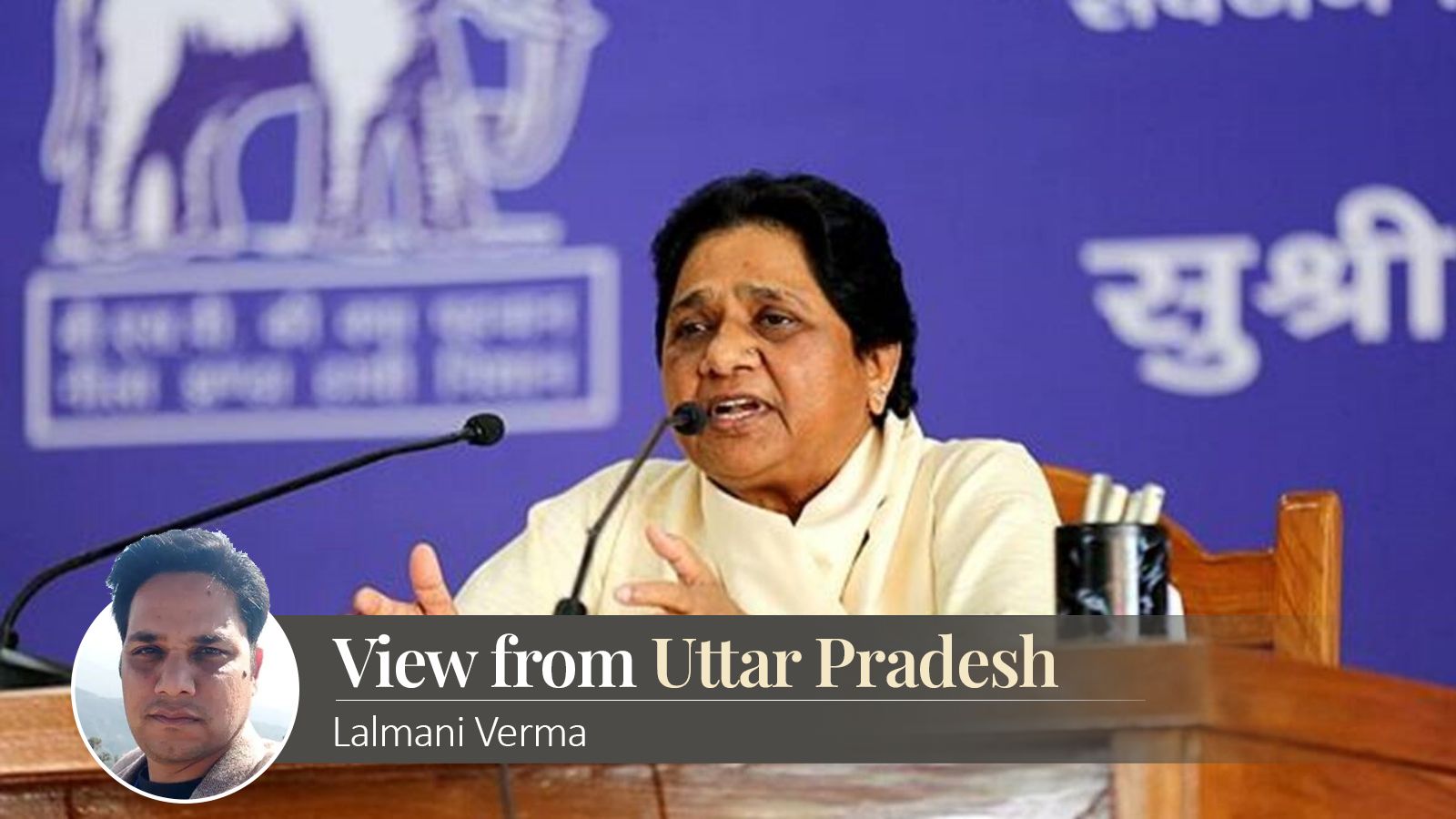
Mayawati’s repeated removals and reinstatements of senior leaders have created instability and anxiety among BSP cadres, especially with the 2027 Uttar Pradesh Assembly elections looming. The turmoil raises questions about the party’s organizational discipline and future electoral prospects.
- Frequent removal and reinstatement of senior leaders destabilizes the party.
- Mayawati’s policy is eroding cadre confidence and organizational discipline.
- Uncertainty grows as the 2027 Assembly elections approach.
The BSP’s senior leadership has been in a state of constant flux, leaving the party’s cadre anxious about continuity and direction. Over the past two years, Mayawati has repeatedly dismissed, reinstated, and in some cases expelled senior leaders, creating a chaotic environment within the party.
The most recent example is Akash Anand, who was sidelined earlier this week for allegedly needing to “become more mature.” In his place, Akash’s younger brother Ishaan was brought into a meeting of office-bearers in Lucknow, reigniting concerns over the party’s leadership structure.
Beyond Akash, other senior leaders such as Ashok Siddharth, Randhir Singh Beniwal, Jai Prakash Singh, Dharamveer Ashok, and former health minister Anant Kumar Mishra have faced multiple expulsions and re-inductions. These actions have sowed confusion and dissatisfaction among party workers.
BSP cadres have voiced their concerns, stating that the repeated changes undermine the party’s discipline and stability. A senior leader remarked, “We are a cadre-based party, but now the same cadre is questioning the top leadership’s decisions over frequent changes at the top.”
With the 2027 Uttar Pradesh Assembly elections on the horizon, the party’s organizational strength—traditionally built on disciplined cadres and a clear hierarchy centered on Mayawati—is under strain. The recent electoral failures have amplified the pressure to rebuild a cohesive structure ahead of the polls.
Why This Matters
Mayawati’s leadership style is now under scrutiny: is she making decisions that keep the party united or is she prioritizing personal politics? BozokMedia analysis shows that frequent changes are eroding trust within the party’s base.
“A strong party requires stable leadership; constant changes not only weaken organizational discipline but also impact electoral success.”
These shifts have broader implications for Indian politics, illustrating how leadership disputes within major parties can influence electoral outcomes and public confidence.
Frequently Asked Questions
Q1: Why does Mayawati repeatedly remove and reinstate senior leaders?
A1: She believes these actions are necessary to maintain discipline and unity, though they have heightened uncertainty within the party.
Q2: How will these changes affect BSP’s performance in the 2027 Assembly elections?
A2: Constant leadership shifts could erode cadre confidence, potentially undermining the party’s organizational stability and electoral prospects.