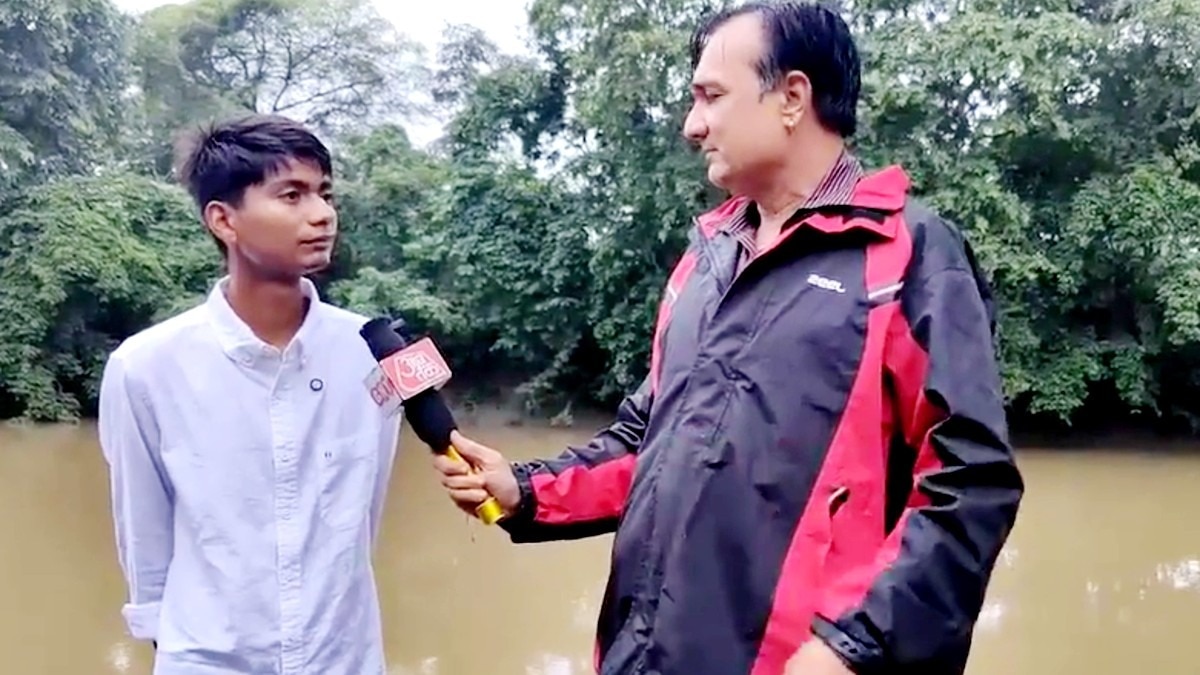
The recent Ajnar River cleanup campaign has propelled local hero Bittu Tabaahi to national fame overnight. However, a ground report uncovered a startling truth that calls the committee’s official narrative into question. This incident exposes the complex relationship between environmental efforts and media reporting.
- The cleanup mobilized the community and turned Bittu Tabaahi into a star.
- The ground report exposed inconsistencies in the committee’s story.
- The incident has impacted trust between media and government reporting.
The Ajnar River cleanup, launched last month, not only improved water quality but also inspired local youth. Bittu Tabaahi, who participated in the effort, went viral on social media for his daring actions.
However, independent environmental activists and local journalists’ ground report revealed discrepancies in the committee’s released figures. The report highlighted differences in pollution levels, depth of cleaning, and resource usage.
The committee’s official press release portrayed a pristine scene with clear water, lush foliage, and smiling citizens. Yet the ground report indicated that a large section of the river still contained debris.
Why This Matters
It’s not just about river cleanup; it underscores how crucial transparency and integrity are in public projects. BozokMedia analysis shows that when trust between media and government bodies erodes, citizens’ confidence in public initiatives also wanes.
"Without truth, the long-term impact of any public campaign is limited," says environmental policy expert Dr. Sushmita Sharma.
Frequently Asked Questions
Question 1: What is Bittu Tabaahi’s real name?
Answer: Bittu Tabaahi’s real name is Binod Singh, a local sanitation worker.
Question 2: On what basis did the committee craft its narrative?
Answer: The committee relied on its official data and social media posts, but the ground report did not confirm those figures.


