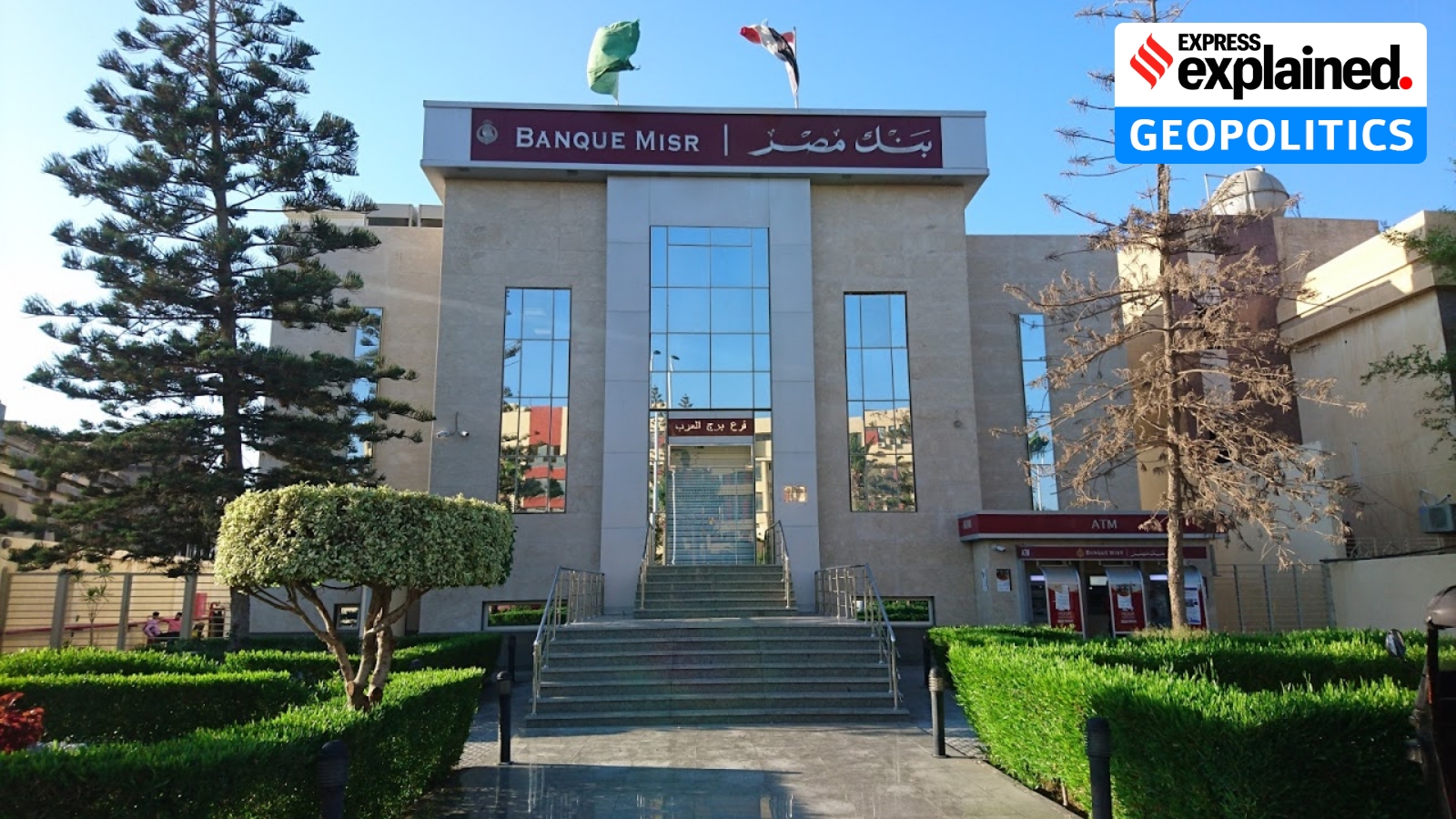
The US Treasury has placed Banque Misr’s UAE branches under sanctions, aiming to block Iran’s access to US dollars. With $1.8 billion routed through shell companies, the move seeks to pressure Iran over proxy wars and its nuclear ambitions.
- The Treasury has designated Banque Misr UAE branches as a primary money‑laundering concern.
- Iran routed $1.8 billion via shell companies through these branches.
- The sanctions aim to pressure Iran on its proxy conflicts and nuclear program.
On August 28, Treasury Secretary Scott Bessent expanded the scope of "Operation Economic Outcast" by designating the UAE branches of Egypt’s Banque Misr as a primary money‑laundering concern. The five branches in Abu Dhabi, Dubai, Sharjah, and Ras Al Khaimah are now subject to a 30‑day public consultation and a final rule that will prohibit U.S. financial institutions from opening or maintaining correspondent accounts for them.
Banque Misr, Egypt’s second‑largest state‑owned bank, has long been a conduit for Iranian shadow‑banking networks. FinCEN identified front entities linked to Iran’s Ministry of Defense and the Islamic Revolutionary Guard Corps (IRGC) that held accounts at Banque Misr UAE.
Between January 2024 and June 2026, the bank processed roughly $1.8 billion for 103 companies, with $520 million in the last 12 months. These funds were largely derived from petroleum and petrochemical exports, funneled through layered commercial intermediaries.
Iran chose the UAE branches because smaller banks there use less sophisticated AI‑driven compliance tools. While major international banks employ real‑time ownership‑tracing systems, Banque Misr’s UAE outlets relied on static name‑matching software, allowing shell companies to slip through.
The sanctions will force U.S. banks to sever ties with Banque Misr UAE, ending its ability to clear U.S. dollars. Corporate account holders will be pushed toward local dirhams or alternative currencies, increasing transaction costs and processing times.
Major institutions such as JPMorgan Chase, Citigroup, and Deutsche Bank are tightening oversight across the Egyptian financial system, raising fees and clearance times. West Asian hubs like Dubai, Abu Dhabi, and Doha will remain on high alert, as the Treasury’s action signals a warning to all regional banks.
By invoking Section 311, the U.S. sets a precedent for targeting overseas branches in allied states without penalizing parent institutions, potentially expanding future sanctions regimes.
Why This Matters
BozokMedia analysis shows that the sanction will force Iran to reconfigure its shadow‑banking network, disrupting its global economic operations.
"Iran will need to redesign its financial infrastructure or face further isolation from international markets," says finance analyst Dr. Sarah Johnson.
Frequently Asked Questions
1. What is the impact of the sanction on Banque Misr UAE? The bank will lose its ability to clear U.S. dollars, forcing clients to use local currencies or alternative routes.
2. Will other Banque Misr branches outside the UAE be affected? No, the sanction applies only to the five UAE branches.


