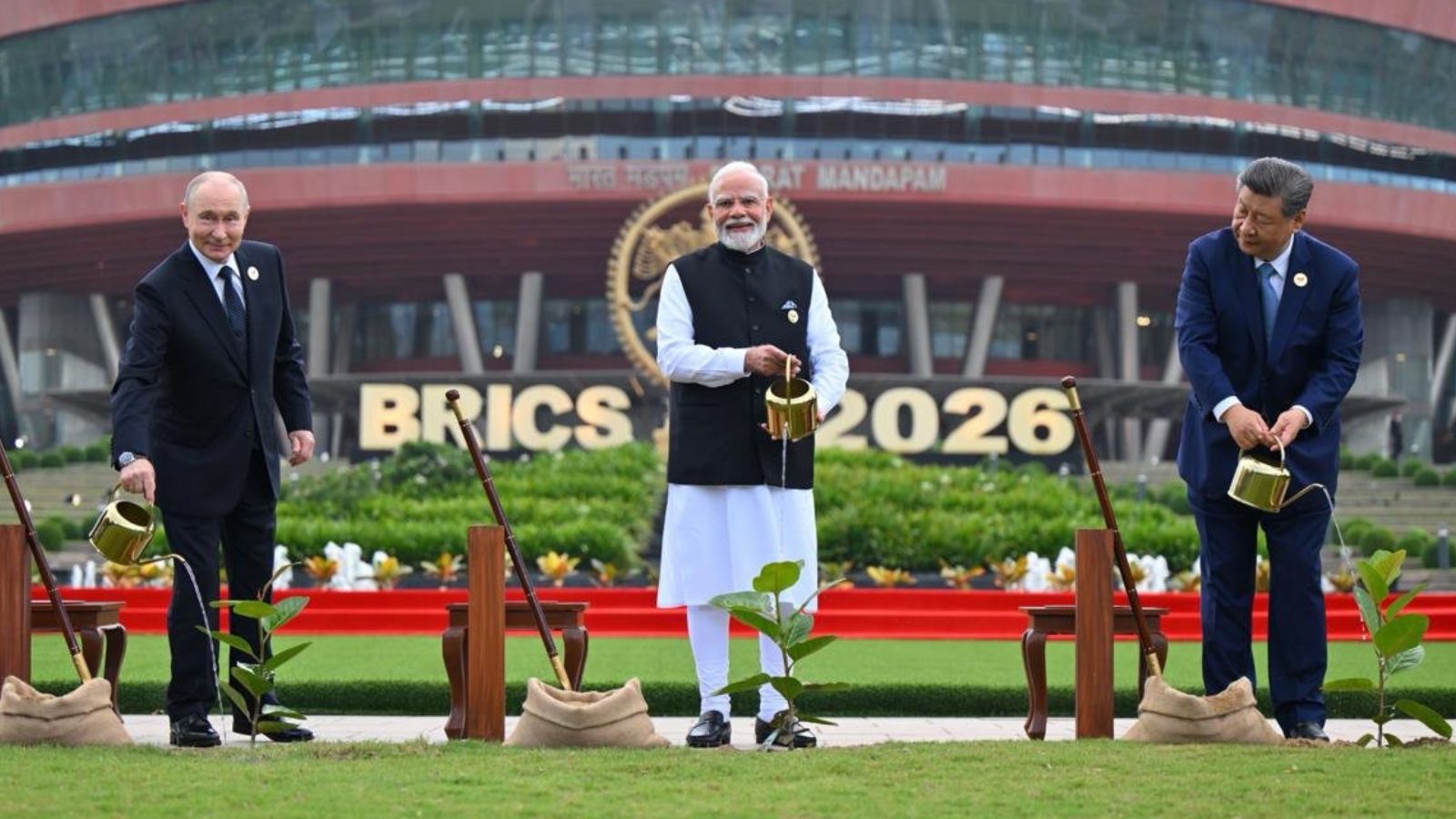
At the 16th BRICS Agriculture Ministers' Meeting, four groundbreaking initiatives were launched, including networks for agroecology, regenerative farming, and digital agriculture. The New Delhi joint declaration also reinforced farmer‑rights and WTO agriculture negotiations.
- BRICS unveiled four new agriculture initiatives
- Agroecology and regenerative agriculture network established
- Launch of Global Forum on Farmers' Rights and Digital Agriculture
Details of the New BRICS Agricultural Initiatives
During the summit in Indore, BRICS leaders approved four key programmes: a BRICS Network of Centres of Excellence on Agroecology and Regenerative Agriculture, a BRICS Network on Digital Agriculture, the farmer‑centric AGRIN (Agro‑Inputs, Genetic Resources, and Information Network), and a Global Forum on Farmers’ Rights in Seed Systems. All aim to enhance climate resilience and raise productivity across member nations.
New Delhi Joint Declaration
The declaration, adopted by consensus, highlights India’s leadership in shaping a collaborative, non‑binding AGRIN platform that draws on national, regional, and international best practices. It also welcomes the creation of a global forum to protect seed‑system rights and promote traditional knowledge exchange.
Agroecology, Regenerative and Digital Agriculture Networks
BRICS will set up Centres of Excellence to advance agroecology and regenerative farming, while a dedicated Digital Agriculture Network will cover agroforestry, fisheries, and aquaculture. These hubs will facilitate technology transfer, research collaboration, and sustainable practice adoption.
Commitment to WTO Agriculture Negotiations
The bloc reiterated its pledge to push forward agriculture talks at the World Trade Organization, seeking a fair, development‑oriented trading system that safeguards smallholder livelihoods and promotes equitable market access for sustainable vegetable oils.
Historical Background
Since the first BRICS agricultural cooperation framework in 2009, the group has steadily expanded its agenda from basic trade dialogue to comprehensive sustainability and digital transformation initiatives, reflecting the evolving challenges of climate change and food security.
Why This Matters
BozokMedia analysis shows that these initiatives could position BRICS as a decisive force in shaping global agri‑policy, offering developing nations a viable alternative to traditional Western‑dominated trade frameworks.
"Investing in sustainable agriculture not only strengthens food security but also mitigates climate risks," said agricultural economist Dr. Anita Singh.
Frequently Asked Questions
Q1: What is the primary goal of the AGRIN network?
A: To create a shared platform for agro‑inputs, genetic resources, and information that empowers farmers across member countries.
Q2: How will the Digital Agriculture Network benefit smallholder farmers?
A: By providing precision‑farming tools, data‑driven decision support, and improved market connectivity.