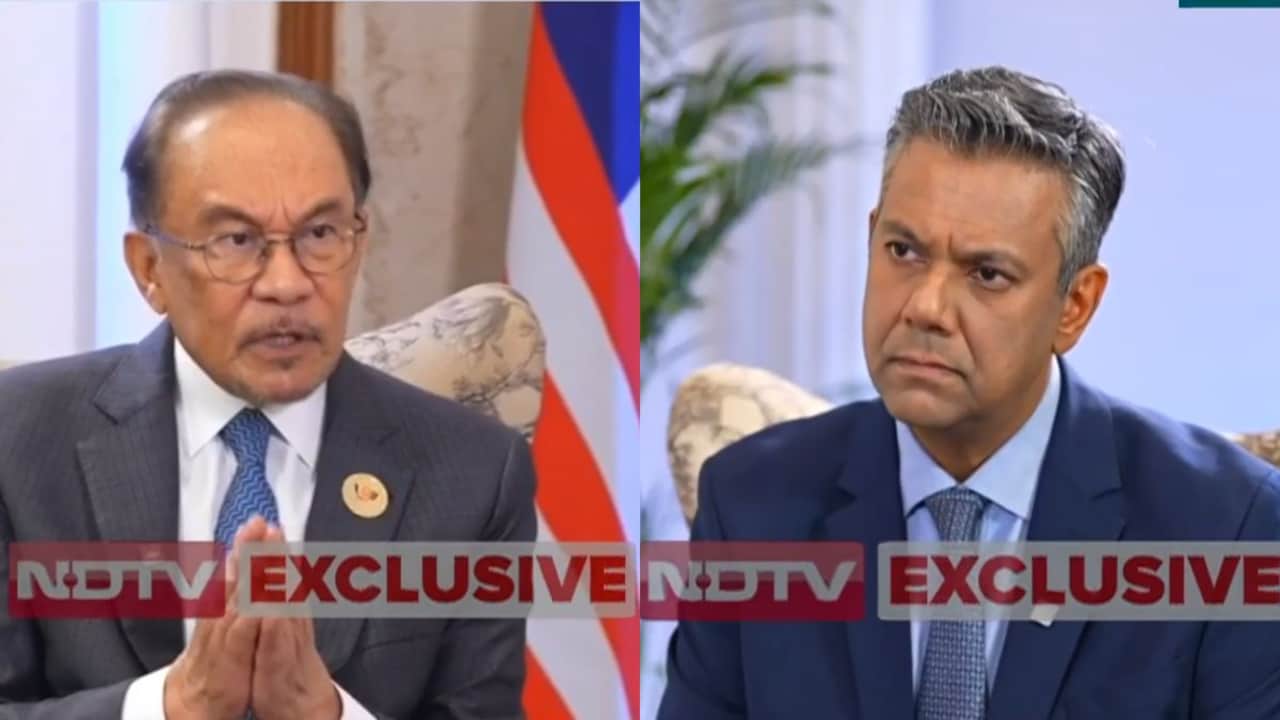
Malaysian Prime Minister Anwar Ibrahim warned that China's expansive claims in the South China Sea pose a serious threat to ASEAN unity. He noted that negotiations are underway to draft a binding code of conduct for the contested waters.
- ASEAN has pushed for a formal Code of Conduct in the South China Sea
- Beijing responded positively to the initiative
- Negotiations on specific parameters are now in progress
Prime Minister Anwar Ibrahim told NDTV that China’s sweeping claims in the South China Sea are "a deep concern" for the bloc. The statement underscores Malaysia’s firm stance on preserving free navigation and regional stability in one of the world’s busiest trade corridors.
ASEAN’s Unified Initiative
Last year, ASEAN issued a collective declaration urging the creation of a binding Code of Conduct (COC) to manage disputes, protect marine resources, and ensure safe passage for commercial vessels. Anwar highlighted that the bloc’s "one‑voice" approach has now received a constructive nod from Beijing, accelerating diplomatic momentum.
China’s Response and Negotiation Trajectory
Beijing described ASEAN’s proposal as "constructive" and expressed willingness to discuss the core principles of a COC. Yet, the details—such as fishing rights, oil and gas exploration limits, and restrictions on military activities—remain under intense negotiation, with both sides exchanging legal and technical drafts.
Historical Background
The South China Sea has been a flashpoint since World War II. By the 1990s, the waterway carried roughly 30% of global trade, cementing its strategic importance. China’s 2010 "nine‑dash line" claim sparked overlapping assertions from several ASEAN members, inflaming regional tensions.
Implications for Regional Security
A finalized Code of Conduct could lock in maritime safety standards, clarify resource entitlements, and align with the United Nations Convention on the Law of the Sea (UNCLOS). This would reduce the risk of naval incidents and safeguard the multi‑trillion‑dollar flow of goods that passes through the strait.
Why This Matters
BozokMedia analysis shows that a stabilized South China Sea framework could safeguard $5 trillion of annual trade flows and reduce naval confrontations, directly influencing global supply chains and regional political equilibrium.
"A clear maritime code would give ASEAN a powerful diplomatic lever to manage China's assertiveness," said international law expert Dr. Rachel Lee.
Frequently Asked Questions
Q1: What are the main pillars of ASEAN’s proposed Code of Conduct?
A: The draft focuses on maritime safety, resource protection, dispute‑resolution mechanisms, and transparent rules for all parties.
Q2: Does Beijing’s positive response guarantee a final agreement?
A: It signals willingness to negotiate, but detailed terms are still being hammered out.
