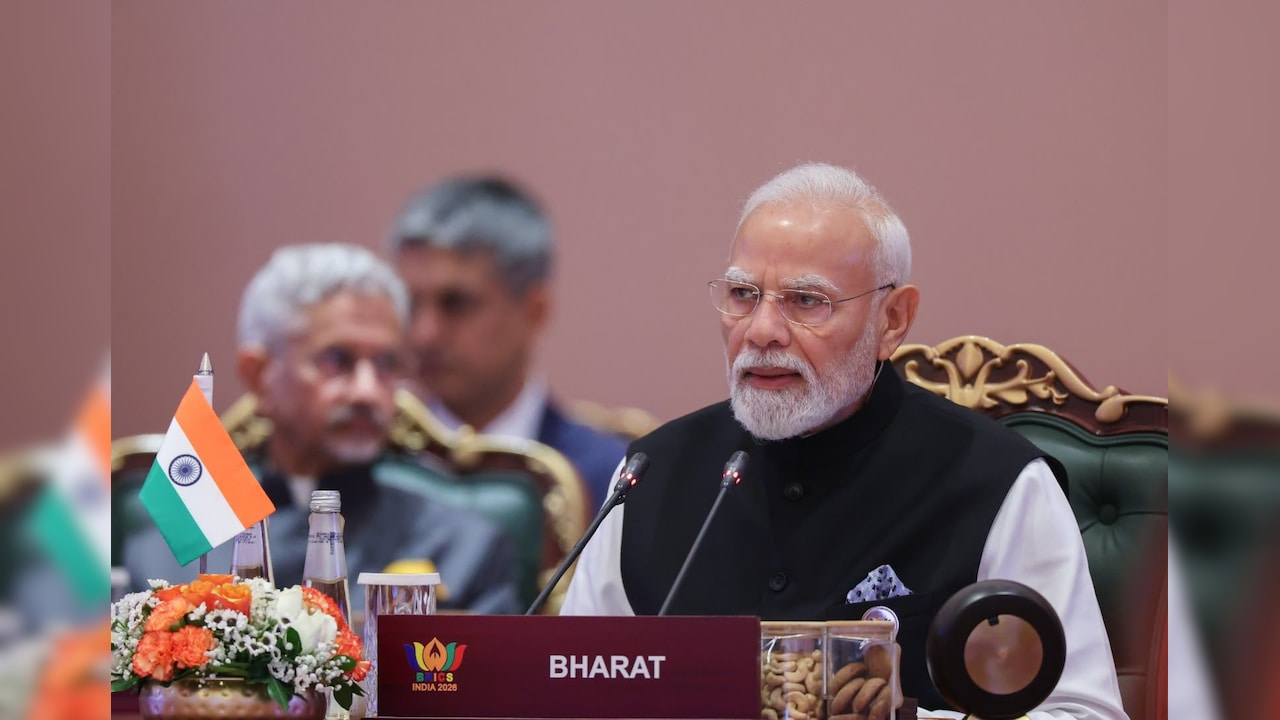
Congress leader Nana Patole urged the Prime Minister to bluntly demand China's withdrawal from occupied territories like Ladakh and Arunachal, calling it the summit's biggest benefit for India. The party criticises the BRICS declaration for ignoring these critical border issues.
- Congress demands a direct demand to China on occupied Ladakh and Arunachal.
- BRICS declaration’s silence on the territories sparks political backlash.
- Potential shift in India‑China diplomatic dynamics if the demand is voiced.
Senior Congress figure Nana Patole told reporters that “considering how China has occupied territories like Arunachal and Ladakh, the Prime Minister should speak bluntly and demand China’s withdrawal. That would be the greatest benefit India could derive from this summit.” Patole’s statement reflects growing frustration within the party over what it sees as a diplomatic compromise on core national interests.
The BRICS summit this year focused on economic cooperation among Brazil, Russia, India, China and South Africa, deliberately sidestepping contentious border disputes. Congress seized on the omission of Ladakh‑Arunachal references to accuse the government of sidelining India’s sovereignty concerns.
Historical Background
Ladakh and Arunachal Pradesh sit along the contested India‑China frontier. Since the 1962 war, China has laid claim to large swathes of these regions, while India maintains them as integral parts of the Union. Periodic standoffs, most notably the 2020 Galwan Valley clash, have kept the dispute in the international spotlight.
During the summit, Prime Minister Narendra Modi highlighted trade and investment opportunities but refrained from directly addressing the border issue, prompting Congress to label the silence as “ignoring history.” The party argues that any economic gain must be balanced with firm stance on territorial integrity.
Why This Matters
BozokMedia analysis shows that while India seeks deeper economic ties within BRICS, overlooking sovereignty challenges could erode domestic political capital and embolden adversarial narratives. A clear demand for Chinese withdrawal could reshape diplomatic negotiations and bolster nationalistic sentiment at home.
"Sidestepping territorial disputes at multilateral economic forums risks compromising a nation's long‑term security interests," notes international relations scholar Dr. Ajay Singh.
Frequently Asked Questions
Q1: Could this Congress pressure force a change in India’s BRICS strategy?
A: Analysts believe that while economic cooperation will continue, political pressure may compel the government to raise the border issue more prominently in future meetings.
Q2: What impact might a direct demand to China have on Indo‑Chinese relations?
A: A firm stance could rally domestic support but also risk escalating diplomatic tensions, affecting trade and regional stability.