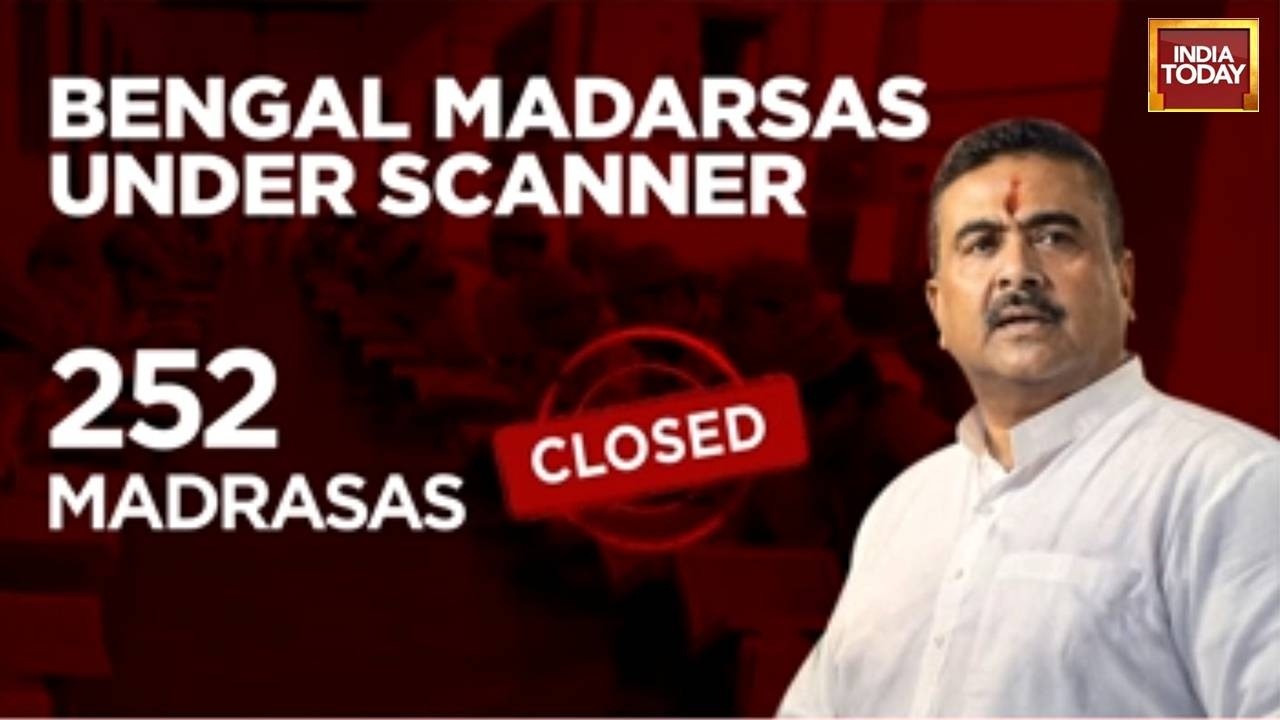
The Bengal government has shut down 252 madrasas for operating without proper authorization, sparking controversy over educational policy and minority rights. While officials cite legal compliance and safety concerns, opposition leaders accuse the move of political bias and injustice.
- 252 madrasas shut due to lack of valid authorization
- Government cites legal compliance and safety concerns
- Opposition accuses political targeting and injustice
Guwahati, Bengal – Today the Bengal government announced the closure of 252 madrasas operating without proper licensing, igniting a heated debate in the education and religious communities. The decision follows a comprehensive audit by the state education department, which revealed that the majority of these madrasas had not obtained the necessary government approval.
Government officials stated that the primary reason for the closures is to ensure compliance with the law and mitigate potential security risks. They also emphasized that the state has directed all madrasas to undergo the proper licensing process.
Legally, Bengal’s educational regulations mandate that all religious educational institutions must secure a license from the state. Over the past few years, the government has periodically enforced this rule, but the current figure of 252 madrasas marks a new high.
Opposition parties have condemned the move as political persecution, claiming that it is aimed at curbing minority educational rights and that the government must provide clarity on the matter.
Concerns have been raised by families about their children’s access to alternative education. The government claims that the education department is arranging alternative schools and online courses, though the adequacy of these measures remains contested.
Why This Matters
BozokMedia analysis shows that the closure reflects the state's stringent enforcement of educational regulations amid rising concerns over religious education’s role in communal harmony, while also highlighting the delicate balance between regulatory compliance and minority rights.
“The decision underscores the government's commitment to uphold statutory norms, but it also raises questions about equitable access to education for minority communities,” says Dr. Anjali Gupta, education policy analyst.
| Year | Madrasas Closed |
|---|---|
| 2019 | 45 |
| 2021 | 78 |
| 2023 | 112 |
| 2024 (Current) | 252 |
Frequently Asked Questions
Q1: Were the closed madrasas operating without valid licenses?
Answer: Yes, officials found that most of the madrasas lacked the required government approval.
Q2: Has the government provided alternative education arrangements for the affected students?
Answer: The government has arranged alternative schools and online courses through the education department.