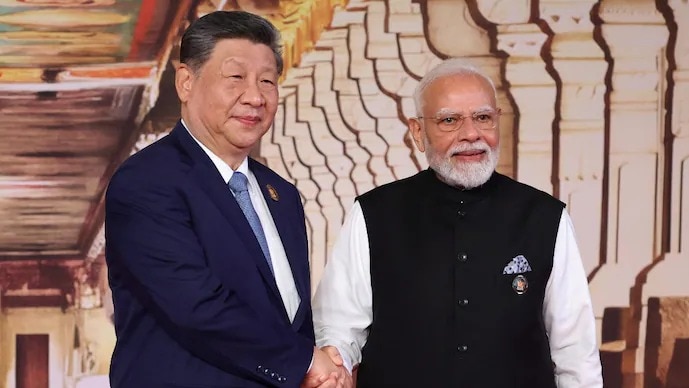
Beijing welcomed Prime Minister Narendra Modi’s declaration of an independent foreign policy, emphasizing that India‑China ties should remain free from third‑party influence. The comment followed a bilateral meeting after the BRICS summit in New Delhi.
- India‑China relations framed as independent and partnership‑based
- Bilateral talks after the BRICS summit set a new diplomatic tone
- Dialogue prioritized to manage border disputes
During the 18th BRICS summit in New Delhi, Prime Minister Narendra Modi greeted Chinese President Xi Jinping. After their bilateral meeting, Beijing described Modi’s “independent foreign policy” stance as a “significant step forward.”
Background
This was Xi’s first visit to India in seven years and the third meeting between the two leaders. Discussions spanned economic, trade and strategic issues, including mechanisms to address the long‑standing border dispute.
Key Points
Chinese Foreign Ministry spokesperson Guo Jiakun stressed that India’s foreign policy is independent and that the bilateral relationship should not be swayed by any third country. He urged both nations to view each other as “partners.”
Why This Matters
BozokMedia analysis shows that this endorsement signals a shift in the Asia‑Pacific power balance, where India and China are the two most populous nations and key players in the Global South. Recognizing India’s independence gives Beijing an opening to deepen strategic cooperation.
"Respect for autonomy in India‑China ties is essential for sustainable economic growth," says international relations scholar Dr. Anita Sharma.
Did You Know?
The talks also covered trade and investment, with both sides urging a balanced approach to resolve economic concerns, especially in digital infrastructure and energy security.
Regarding the border issue, both parties agreed to maintain peace and stability through dialogue, emphasizing that cooperation should outweigh confrontation.
Frequently Asked Questions
Question 1: Will this statement resolve the India‑China border dispute?
Answer: It is a positive signal, but lasting resolution will require continued negotiations and mutual trust.
Question 2: Does this indicate a shift in India’s overall foreign policy?
Answer: India has consistently pursued an independent foreign policy; this statement reaffirms that stance.


