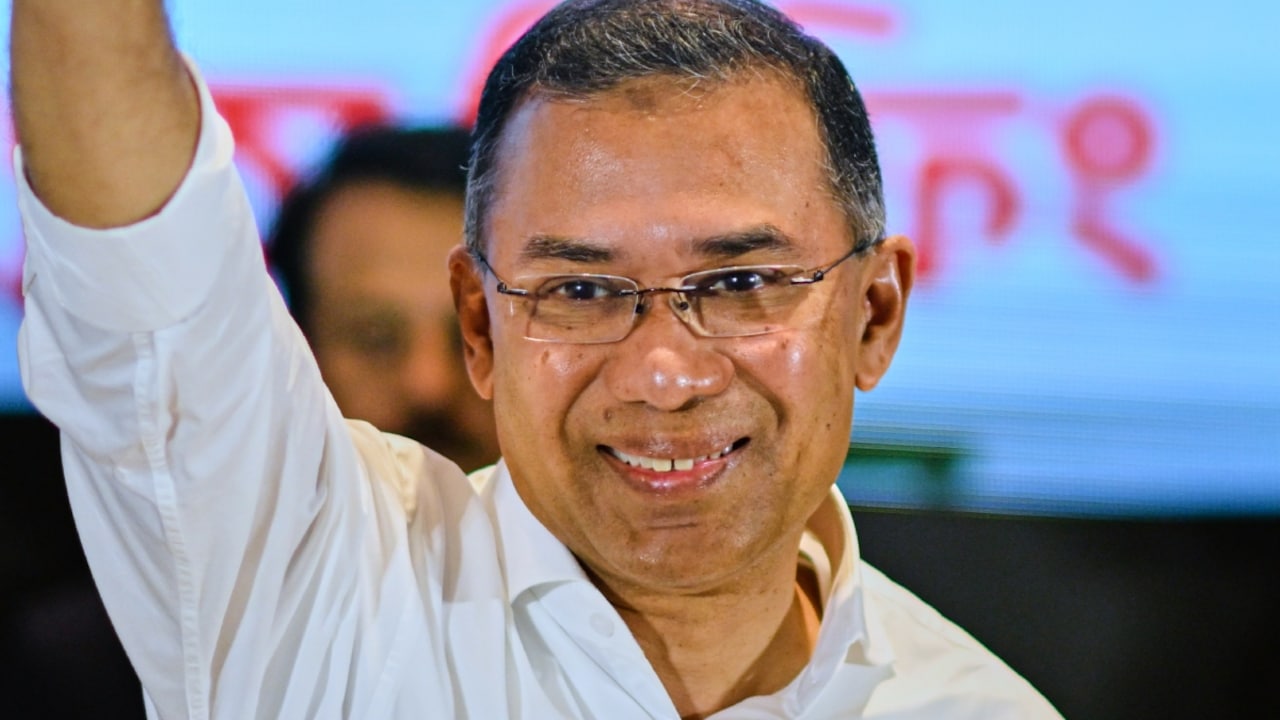
Bangladesh’s Foreign Minister Humaiun Kobir expressed a desire for a "positive" bilateral relationship with India, while the country has yet to respond to India's invitation to Prime Minister Tarique Rahman for a bilateral visit, hinting at possible recalibration of relations.
- Humaiun Kobir stresses a constructive partnership with India.
- Bangladesh has not yet responded to the invitation for PM Tarique Rahman’s visit.
- The comments suggest a potential shift in regional diplomacy.
In a recent statement, Bangladesh’s State Minister for Foreign Affairs, Humaiun Kobir, said, "India is just another country that we want a good working relationship with, a good bilateral relationship with," underscoring a desire for deeper collaboration while remaining cautious of pending diplomatic gestures.
Background
For decades, India and Bangladesh have oscillated between cooperation on trade, energy, and cultural exchanges and occasional tension over border and maritime disputes. In 2023, Bangladesh invited Indian Prime Minister Tarique Rahman for a bilateral visit, but a formal response has yet to materialize.
Diplomatic Landscape
Kobir’s remarks come as part of Bangladesh’s broader strategy to strengthen its international standing. Economic ties, particularly in the energy sector, and growing educational and cultural exchanges add layers to this evolving partnership.
Why This Matters
BozokMedia analysis shows that this move could be a strategic step towards deeper India-Bangladesh collaboration, potentially reshaping the power dynamics in South Asia.
"This subtle yet significant step in diplomacy could bolster mutual trust between the two nations," says Dr. R. Shukla, an expert in international relations.
Frequently Asked Questions
Q1: Has Bangladesh yet accepted the invitation to PM Tarique Rahman?
A1: No, Bangladesh has not yet issued an official response.
Q2: What could be the regional implications of this diplomatic stance?
A2: It could enhance trust and cooperation, contributing to greater stability in the region.


