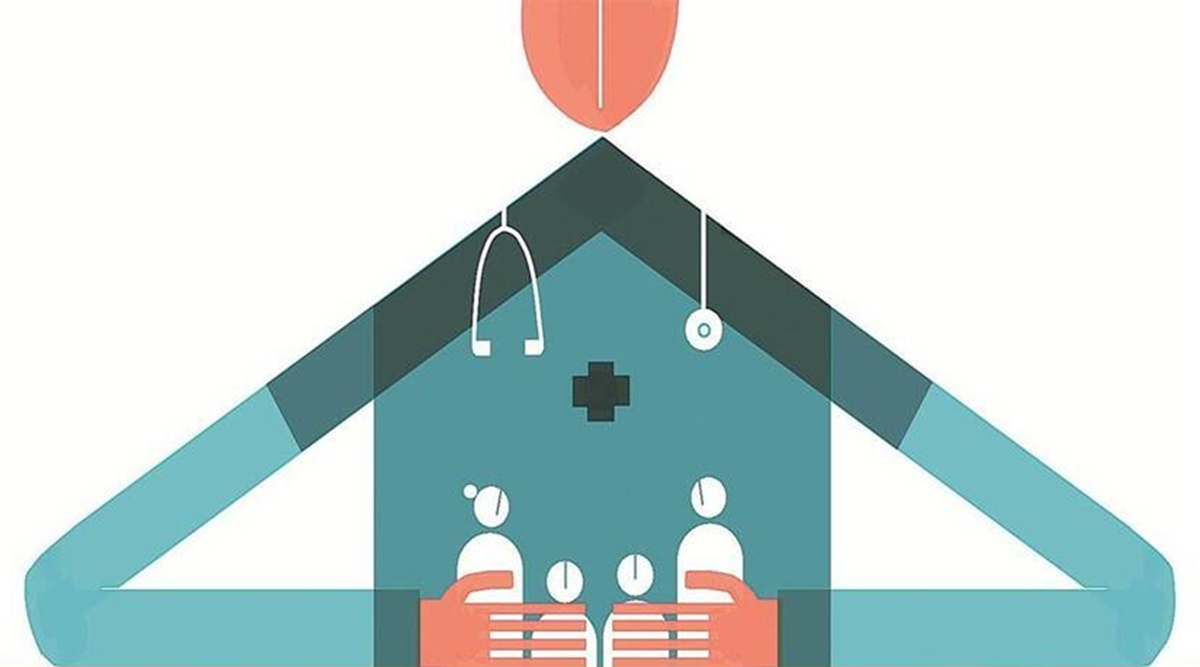
Despite rapid growth in medical schools and hospitals, India’s public health spending remains at only 1.43% of GDP, far below the 2.5% target set in the 2017 National Health Policy.
- Public health spending is just 1.43% of GDP, well below the 2.5% goal.
- More than 60% of hospitalizations occur in private facilities, costing roughly 8× more.
- Over 40 crore Indians remain outside comprehensive financial protection.
Historical Background
Under the past twelve years of BJP rule, India has massively expanded medical education, built new AIIMS centres, and launched Ayushman Bharat, one of the world’s largest publicly funded insurance schemes. Yet the Parliamentary Standing Committee on Health and Family Welfare reports persistent gaps in capacity, affordability and regulation.
Public vs Private Cost Comparison
| Service | Public Hospital (₹) | Private Hospital (₹) |
|---|---|---|
| Average inpatient cost | 6,631 | 50,508 |
| Out‑of‑pocket share | 43.4% | 56.6% |
Why This Matters
BozokMedia analysis shows that India’s health system remains unbalanced. Even if insurance covers a ₹5 lakh treatment, the system still consumes that amount, eventually burdening government, insurers or patients. The gap between public and private spending highlights a need for a truly universal, affordable care model.
"The real goal of public health is to protect patients’ lives and finances simultaneously," says Dr. R. Patel, health policy analyst.
Frequently Asked Questions
- How does Ayushman Bharat coverage work and what are its limits?
- Will rising private hospital costs increase the burden on patients?
Editor Comment
Simply adding more doctors is not enough; we must ensure they reach underserved areas and provide affordable, regulated care. This piece reminds us that true health metrics are measured by patient access and cost containment, not just seat counts.