India reaffirmed its independent foreign policy, and China praised Prime Minister Narendra Modi’s message as a positive step for future ties. Both leaders highlighted economic cooperation and peaceful border management.
- India reaffirms an independent foreign policy, free from third‑party influence.
- China views Modi’s stance as a positive step for future ties.
- Both leaders emphasize partnership, economic cooperation, and peaceful border management.
Background
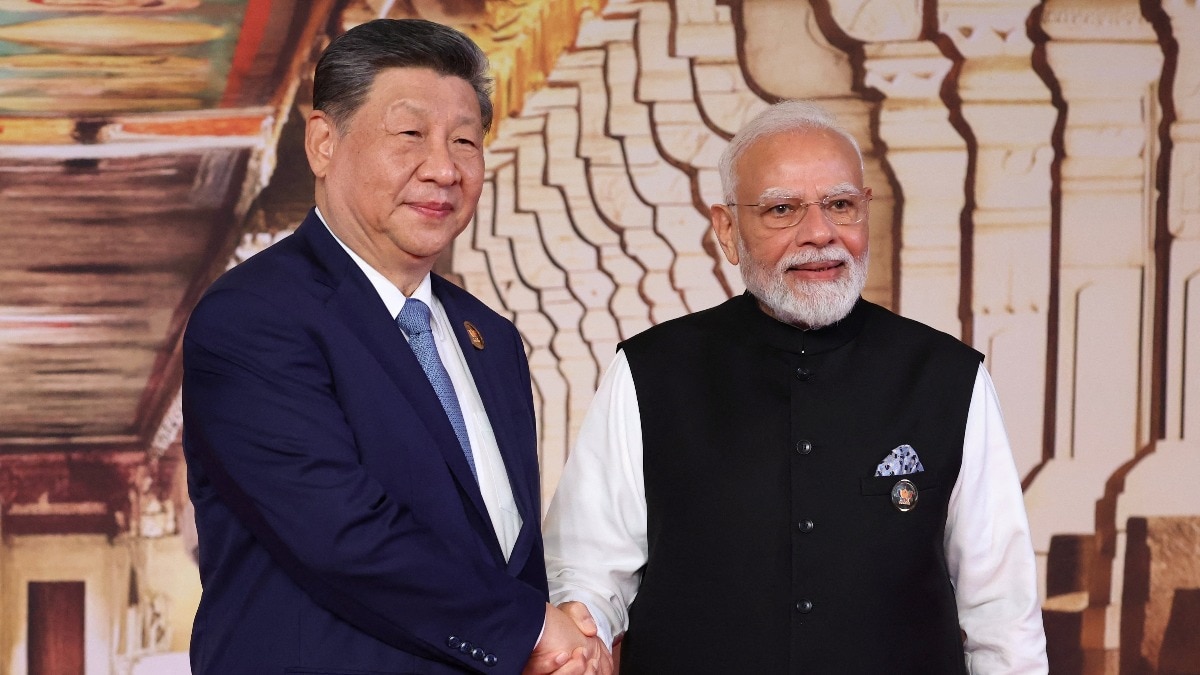
At the 18th BRICS Summit in New Delhi, Indian Prime Minister Narendra Modi met Chinese President Xi Jinping, setting a new tone for bilateral dialogue.
Chinese Foreign Ministry spokesperson Guo Jiakun said the meeting reaffirmed the direction of China‑India relations, moving from a restart in Kazan to progress in Tianjin and now New Delhi.
Modi clarified that India’s foreign policy is independent, not influenced by any third party, and that India will not allow any force to use its territory for anti‑China activities.
This statement underscored efforts to place the relationship on a more independent footing amid longstanding border disputes.
Both leaders prioritized economic and trade issues, agreeing to strengthen cooperation through multilateral platforms such as BRICS and the broader Global South.
Why This Matters
BozokMedia analysis shows that India’s independent stance reassures China that India will make decisions free from external pressure, thereby building trust.
The independent approach gives India greater flexibility and strategic advantage in a complex geopolitical landscape.
Frequently Asked Questions
Question 1: What did Modi say about India’s foreign policy?
Answer: Modi stated that India’s foreign policy is independent and not affected by any third party.
Question 2: How does China view this independent stance?
Answer: China sees it as a positive step for future relations.