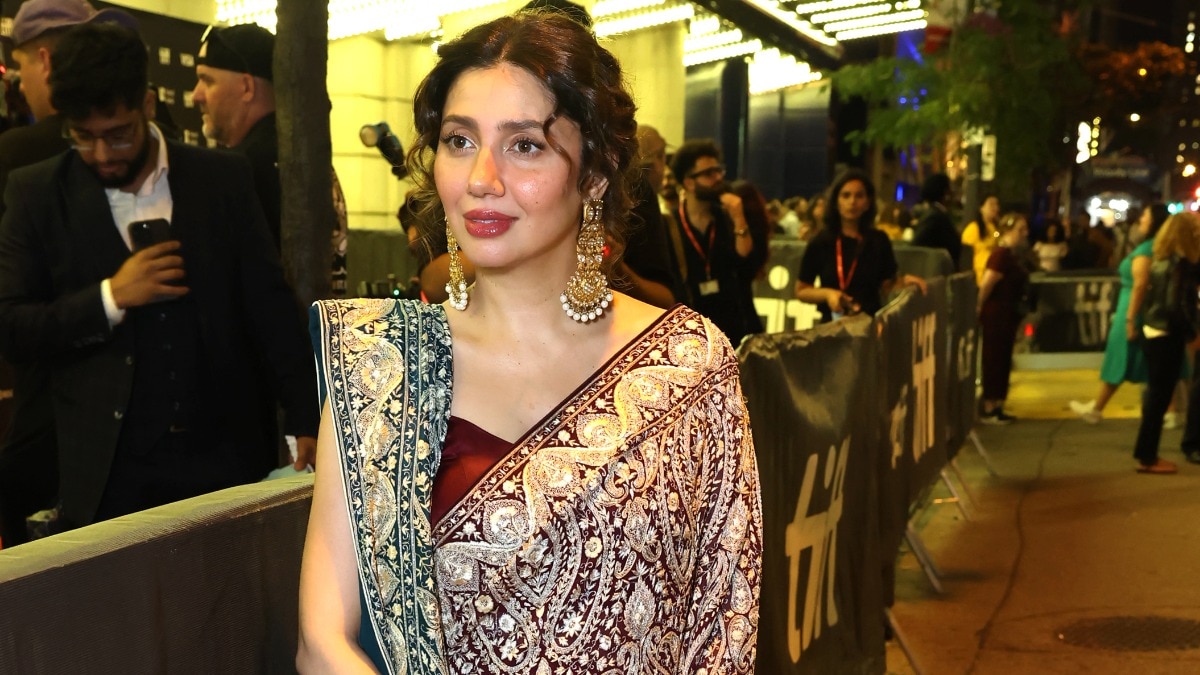
At the Toronto International Film Festival, Mahira Khan turned heads in a vibrant saree, sparking fresh debate about the garment’s tangled past in Pakistan. The appearance reignited discussions on fashion, identity, and shared heritage across the subcontinent.
- Mahira Khan wore a saree at TIFF, creating a media buzz.
- The saree carries a layered, contested history in Pakistan.
- The event sparked renewed dialogue on fashion, national identity, and cultural memory.
During the 2024 Toronto International Film Festival, Pakistani star Mahira Khan stepped onto the red carpet in a striking saree that blended traditional drape with modern tailoring. The look instantly became a trending topic across social platforms, drawing attention far beyond the film screenings.
The garment featured a contemporary pant‑styled drape, allowing the classic pallu to flow while offering ease of movement. This hybrid approach appealed to younger audiences while respecting the saree’s historic roots.
The saree’s origins trace back over two millennia across the Indian subcontinent, including present‑day Pakistan. Before the 1947 Partition, it was a common wardrobe choice for women throughout the region, symbolising both everyday wear and ceremonial splendor.
Post‑Partition, the saree’s status in Pakistan grew contentious. The early decades saw it embraced by urban elites, but the 1970s cultural policies under Zia‑ul‑Haq promoted indigenous attire like shalwar‑kameez, marginalising the saree as a “foreign” garment. Nevertheless, designers kept the silhouette alive in niche markets.
In recent years, a new generation of Pakistani designers has revived the saree, experimenting with local fabrics, bold prints, and innovative cuts. Mahira’s choice at TIFF reflects this resurgence, positioning Pakistani fashion on a global stage.
Public reaction was split: many fans celebrated the look as a bridge between shared South Asian heritage, while some conservative voices labeled it a betrayal of Pakistani cultural identity. The split mirrors ongoing debates about what constitutes national dress in a globalised world.
"Fashion historian Dr. Ayesha Khan notes, 'The saree remains a contested symbol of shared heritage and national identity.'"
Why This Matters
BozokMedia analysis shows that Mahira Khan’s sartorial choice is more than celebrity glamour; it re‑ignites a decades‑old conversation about cultural ownership, gender expression, and the evolving narrative of South Asian fashion on the world stage.
Frequently Asked Questions
What is the significance of the saree in Pakistani fashion? The saree has historically acted as a cultural bridge, shifting in meaning with political regimes, social class, and evolving gender norms.
How did Mahira Khan’s appearance influence public discourse? It turned a fashion moment into a catalyst for widespread discussion on national identity, artistic freedom, and the reclamation of shared heritage.