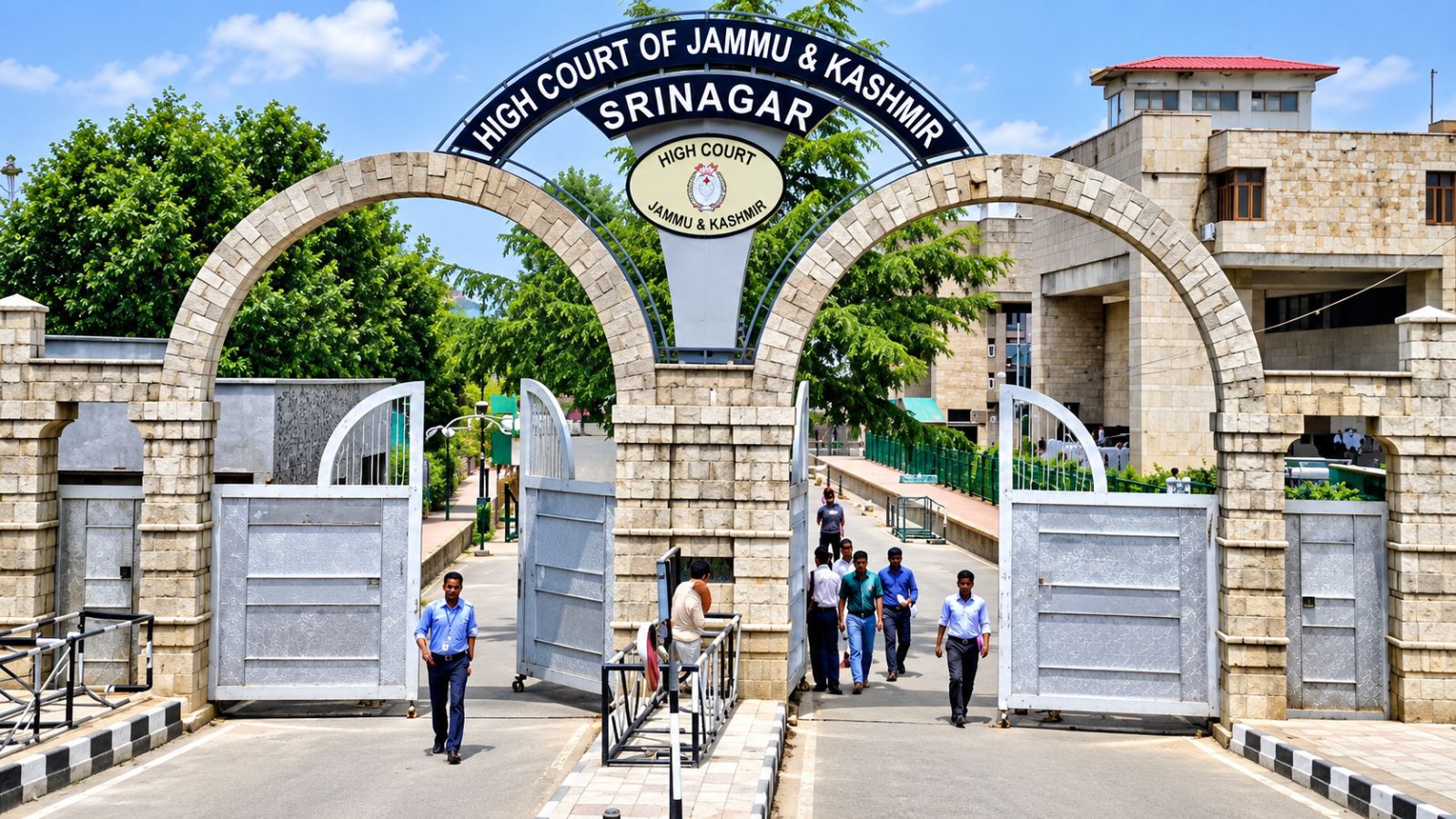
The J&K High Court quashed the Public Safety Act detention of Ishfaq Ahmad Wani, ruling that an 'OGW' label without sufficient particulars fails to meet constitutional standards. The decision highlights the delicate balance between civil liberties and national security in Kashmir.
- J&K High Court quashes PSA detention of Ishfaq Ahmad Wani.
- Labeling as 'OGW' without specific particulars is insufficient.
- Court scrutinized the authority's subjective satisfaction and found it lacking.
In April 2025, Ishfaq Ahmad Wani, a resident of Srigufwara, Anantnag, was detained under the Public Safety Act (PSA) on allegations of being an overground worker (OGW) for Lashkar-e-Toiba.
The J&K High Court ruled that the mere label of 'OGW' does not meet constitutional standards and that the authorities must disclose specific facts linking the alleged conduct to the statutory purpose.
Preventive detention, the court explained, is an exceptional measure aimed at preventing conduct deemed prejudicial to state security, not a punitive sanction.
Legal analysis indicates that the detaining authority must base its subjective satisfaction on relevant material; in this case, the court found that such material was absent.
Prior criminal proceedings against Wani had already resulted in bail, highlighting the weak evidentiary basis for the detention order.
This judgment has implications beyond Kashmir, shedding light on the balance between national security and civil liberties across India.
Legal analyst Dr. Rajesh Gupta notes: 'This ruling underscores the judiciary's role in protecting civil liberties against arbitrary state action.'
Why This Matters
BozokMedia analysis shows that this ruling reinforces the judiciary's role in safeguarding civil liberties against arbitrary state action.
Frequently Asked Questions
Q1: Are there alternative measures to PSA detention?
A1: Yes, authorities can consider options such as custody or probation instead of preventive detention.
Q2: Will this judgment affect similar future cases?
A2: The decision sets a precedent for future preventive detention cases, demanding stricter adherence to constitutional safeguards.